Service can be a vaguely defined expectation in academia, but it’s an expectation to give back to our community; this can be accomplished in different ways and is valued differently by institutions and departments. Outreach is an easily neglected part of science, because so often it is considered non-essential to your research. It can be difficult to measure the effectiveness or direct benefit of outreach as a deliverable, and when you are trying to hoard merit badges to make tenure and your time is dominated by other responsibilities, you often need to prioritize research, teaching, advising, or grant writing over extension and service activities. Nevertheless, public outreach is a vital part to fulfilling our roles as researchers. Academic work is supported by public funding in one way or another, and much of our research is determined by the needs of stakeholders, who in this sense are anyone who has a direct interest in the problem you are trying to solve.
Depending on your research field, you may work very closely with stakeholders (especially with applied research), or not at all (with theoretical or basic research). If you are anywhere in agriculture, having a relationship with your community is vital. More importantly, working closely with the public can bring your results directly to the people out in the real world who will benefit from it.
A common way to fulfill your outreach requirement is to give public presentations. These can be general presentations that educate on a broad subject, or can be specifically to present your work. Many departments have extension specialists, who might do some research or teaching but whose primary function is to connect researchers at the institution with members of the public. In addition to presentations, extension agents generate newsletters or other short publications which summarize one or more studies on a specific subject. They are also a great resource for networking if you are looking for resources or collaborations, for example if you are specifically looking for farms in Montana that grow wheat organically and are infested with field bindweed.
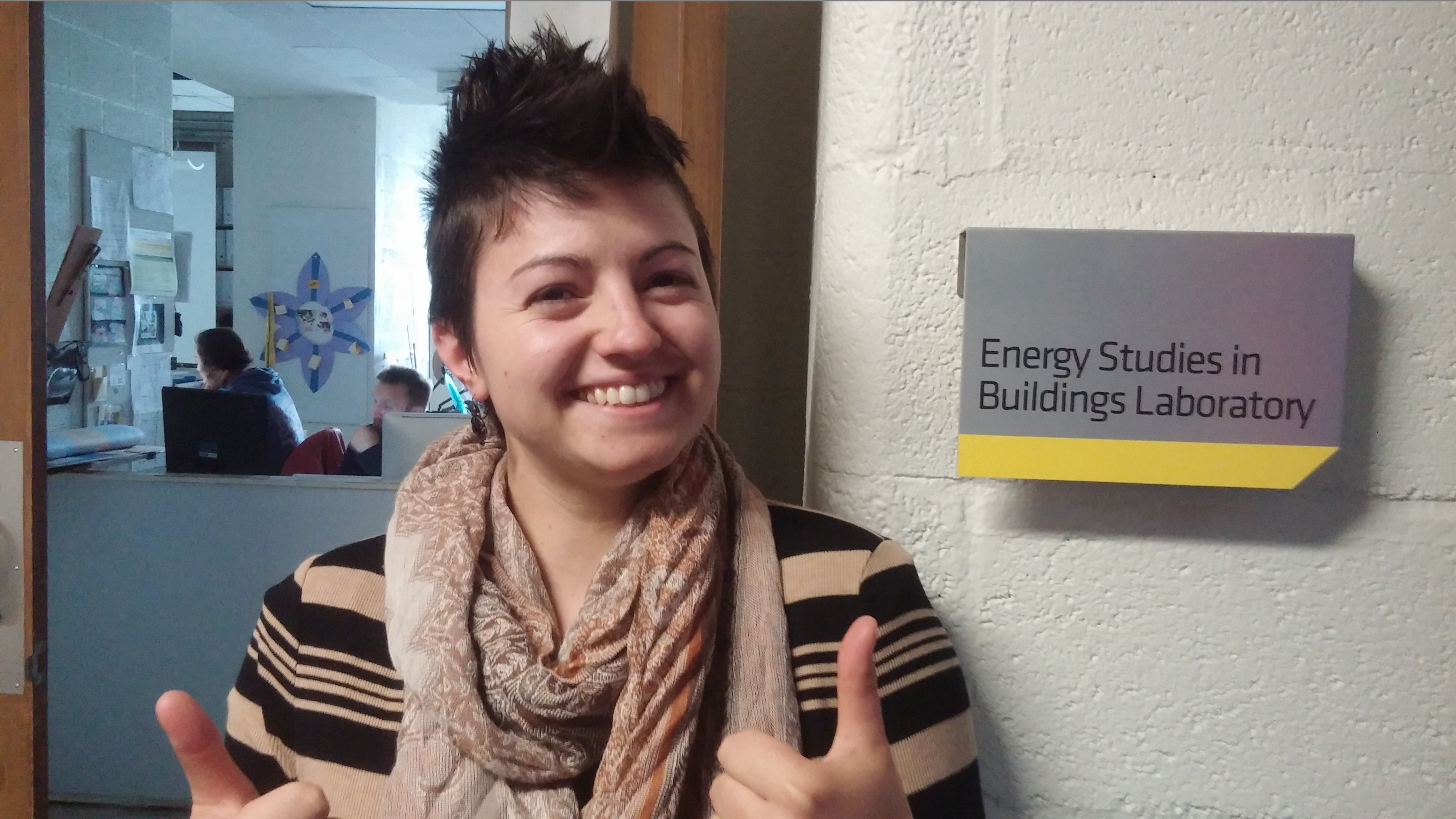
For my new job, I’m shifting gears from agricultural extension to building science and health extension. In fact, the ESBL and BioBE teams at the University of Oregon have recently created a Health + Energy Research Consortium to bring university researchers and industry professionals together to foster collaborations and better disseminate information. The goals of the group at large are to improve building sustainability for energy and materials, building design to serve human use better, and building microbiology and its impact on human health. I have a few public presentations coming up on my work, including one on campus at UO on Halloween, and one in February for the Oregon Museum of Science and Industry Science Pub series in February. Be sure to check my events section in the side bar for details.
Even when outreach or extension is not specified in your job title, most academics have some level of engagement with the public. Many use social media outlets to openly share their current work, what their day-to-day is like, and how often silly things go wrong in science. Not only does this make us more approachable, but it’s humanizing. As hard as scientists work to reach out to the public, we need you to reach back. So go ahead, email us (please don’t call because the stereotype is true: we really do hate talking on the phone), tweet, post, ping, comment, and engage with us!!
This slideshow requires JavaScript.





![IMG_20170610_211058_268[1]](https://i0.wp.com/sueishaqlab.org/wp-content/uploads/2017/06/img_20170610_211058_2681.jpg?w=489&h=275&ssl=1 "IMG_20170610_211058_268[1]")


 The Ishaq Lab