
The University of Maine Research Experience for Undergraduates (REU) program is accepting applications for their summer 2020 program. Apply by January 31, 2020!

The University of Maine Research Experience for Undergraduates (REU) program is accepting applications for their summer 2020 program. Apply by January 31, 2020!
Notwithstanding the different reasons, 2019 has left us reeling, myself included. Early in the year, I was left scrambling to keep my science career going in the face of unsteady funding resources. Through a combination of collaboration, long hours of writing, a strong support network, a lot of luck, and a pragmatic demeanor, I landed a tenure-track faculty position and pulled off one of the best years of my career, to date. I deeply appreciate all of the concern, assistance, coffee, revisions in a timely manner, coffee, and support provided by so many individuals in the last year.
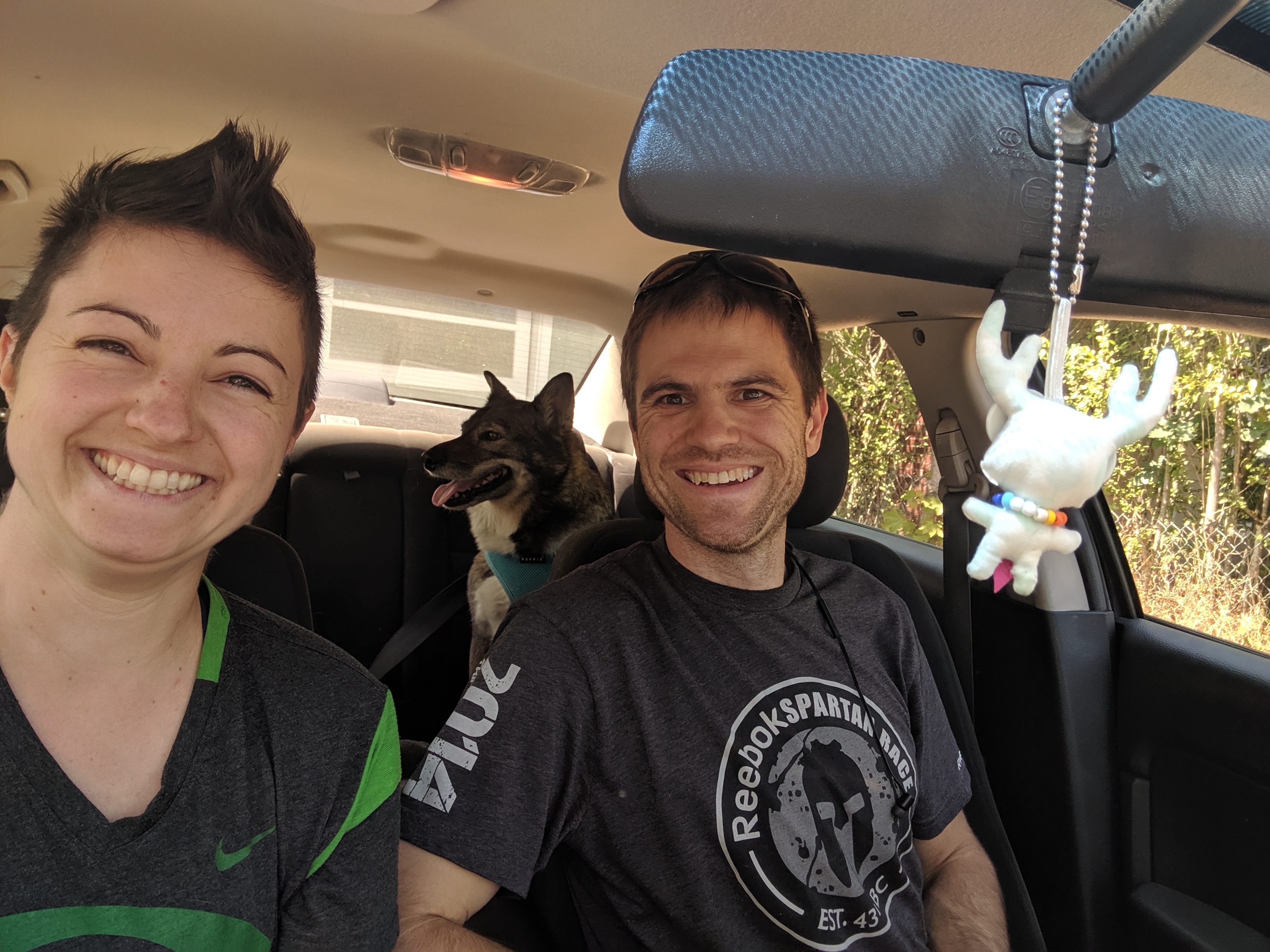
My momentous research activity of 2019 was joining the faculty of the University of Maine, Orono, School of Food and Agriculture as an Assistant Professor of Animal and Veterinary Sciences, beginning in September. In August, my partner, our patient dog, and I drove from the west coast to Maine on a 9-day adventure that would begin a new (and more permanent) phase of our life. From our education in Vermont, to my post-docs in Oregon, to my research faculty position in Oregon, to Maine, we loved the opportunity to live in various states, but are looking forward to having an address for longer than 2 years and more stable income forecasting.



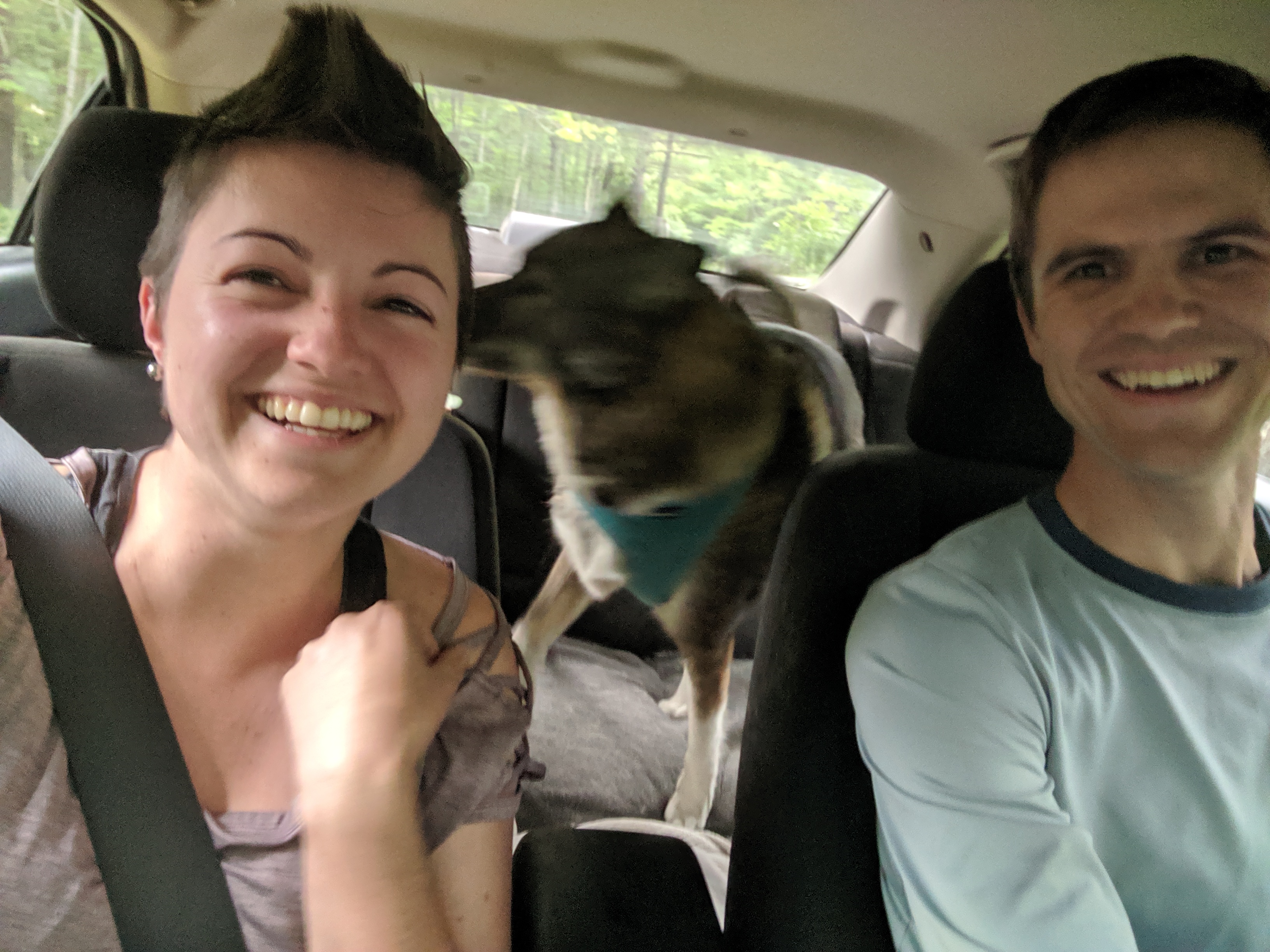
The first few months of my faculty position have been busy! Notably, it’s involved a LOT of training, paperwork, getting acquainted with campus resources, and making connections. Some of these have involved seeking approval to take on graduate students, not just from my department, but students from other departmental programs that want their research to center around my lab’s specialties. UMaine strives to provide interdisciplinary opportunities for students, and as such, encourage multiple cooperating positions. In addition to being able to bring on grad students through the School of Food and Agriculture, I have just been approved as faculty in the Graduate School for Biomedical Sciences and Engineering, and have another cooperating position pending.
My work now spans three major research priorities. My lab will focus on the gut microbiome of livestock, and how microbes can be used to promote animal health and production. This will take shape in a variety of ways, including through global collaborations (more on those as they develop, but many of my previous rumen collaborations that began at Montana State are included in that). I’ll be taking on several graduate and undergraduate students in 2020 for these projects.
Through ongoing collaboration on projects led by Drs. Fabian Menalled and Tim Seipel at Montana State University, I’ll be participating in research to understand climate change and farming practices on wheat production and soil microbes. I am a graduate committee member for Tindall Ouverson, who is completing her master’s at MSU.
I’ll also be collaborating with researchers on microbes in the human gut. Through ongoing collaborations with researchers at the Institute for Health in the Built Environment (primarily those at BioBE) at the University of Oregon, I’ll be looking at infectious disease transmission and building design. And I’m currently developing new collaborations with researchers at Husson University, University of Maine, University of Vermont, and other institutions, which will investigate the interaction between diet, gut microbes, and human health. I’ll be taking on several graduate and undergraduate students in 2020 for these projects.
I published a record 10 papers this year! I don’t expect to achieve this again anytime soon: over the spring and summer I was only working half-time, and with the rest of my time I was doggedly writing up previous project results, overseeing undergraduate authors, and emailing co-authors for revisions. Writing or managing the writing of a manuscript takes a significant amount of work. Even when experiments or field trials are completed within days, weeks, or months, it may takes years to process, analyze, and measure the samples you collect, as well as complete the statistical analysis. You might encounter technical problems, or need to validate a method for use with your research. After all, much of what researchers do is trying new things, as there isn’t always a well-validated protocol to follow and you need to come up with something new. Thus, at least half of the publications from 2019 were wrapping up experiments that had occurred as far back as 2014!
Because of the time span, it meant I published on a variety of topics, from the effect of diet on rumen bacteria in sheep, to the effect of farming practices on bacteria in soil, to the effect of chemicals from vinyl floors on bacteria in dust. It meant a LOT of reading for me, to appraise and condense the relevant literature for each project: my citations list might contain up to 100 other papers!

Over the summer, I taught “Microbes and Social Equity” at The University of Oregon for the Clark Honors College. In just four weeks, the students, a few guest speakers, and I collectively wrote a paper to introduce the topic. We submitted it to the journal PloS Biology, and it was accepted for publication in their special call, Microbiomes Across Ecosystems. You can read it here. In the first month, it’s been viewed nearly 5,000 times!
I am developing new coursework for the University of Maine, including AVS 254 Introduction to Animal Microbiomes, which will be taught annually beginning in Fall 2020. This spring, I’ll be teaching a ‘special topics’ class, which will be the preliminary version of a class I am currently developing: DNA Sequence Data Analysis Lab, which will teach students the programming and analysis required to understand complex DNA sequence data, including amplicon, whole-genome, and metagenomics datasets. The special topics version is limited enrollment, and a way to beta-test the class before spending the significant amount of time required to develop a new course. I’ll be sharing more info about the classes as they develop.
In May, I again presented my BioBE research to the Institute for Health in the Built Environment
Consortium meeting in Portland, OR. It was a quiet summer for me, but I did attend the Gordon Research Conference on Animal-Microbe Symbioses in Vermont, which showcased fascinating research on the ways that humans and animals interact with the microbes that inhabit our bodies. In October, I had a whirlwind week-long trip which involved giving a presentation in Monterrey, Mexico, then a different presentation in Reno, NV the following day, then heading to Bozeman, MT to catch up with collaborators and teach bioinformatics to Tindall. All of the meetings, seminars, and training was very valuable, but the best part, hands-down, was going to Matacanes canyon.
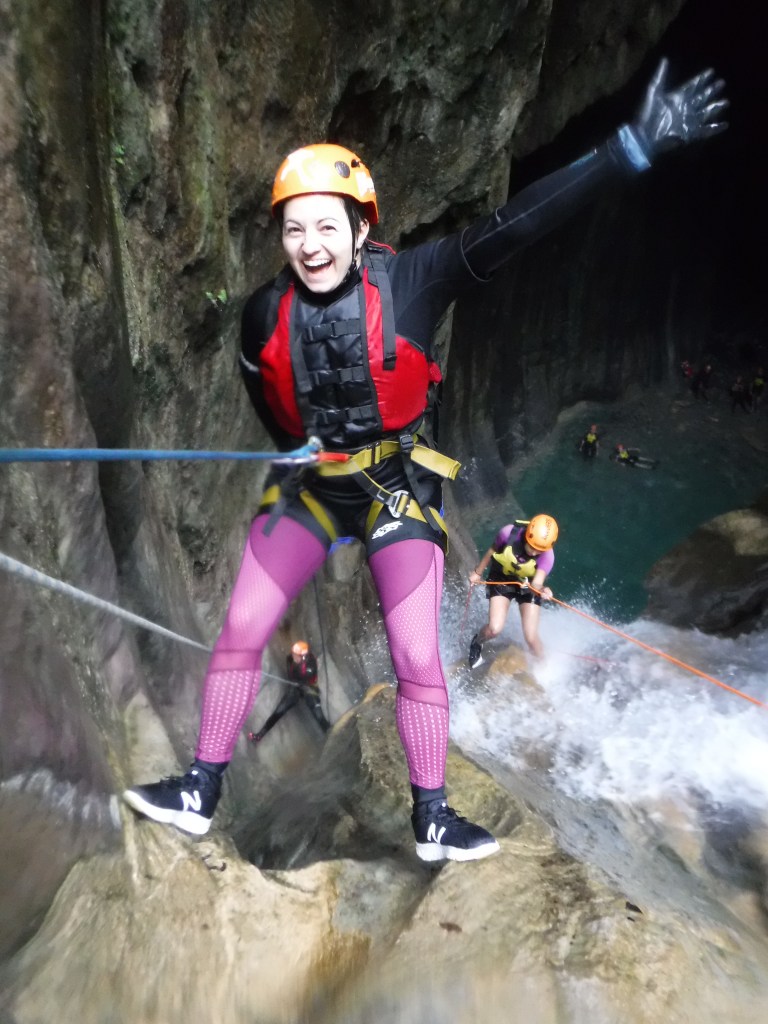
Over 2019, I gave more than ten (not all have been published) interviews on my research! This included a live radio interview, and two podcasts: all new experiences for me.
I published 30 posts this year, including this one, although with ~11,000 words total, I had less to talk about. I anticipate that will change when my lab gets rolling. The most popular post this year continues to be Work-Life Balance: What Do Professors Do?, self explanatory, and the least popular this year is I Accepted a New Position in Soil Microbiology and Agroeconomy!, which makes sense as it was an announcement from 2016 about a post-doc position I’d accepted.
My site had its most popular year, with >4,000 visitors taking >6,000 views, represented by 109 countries. In total, my site has had > 10,000 visitors and >15,000 views since Jan 2016

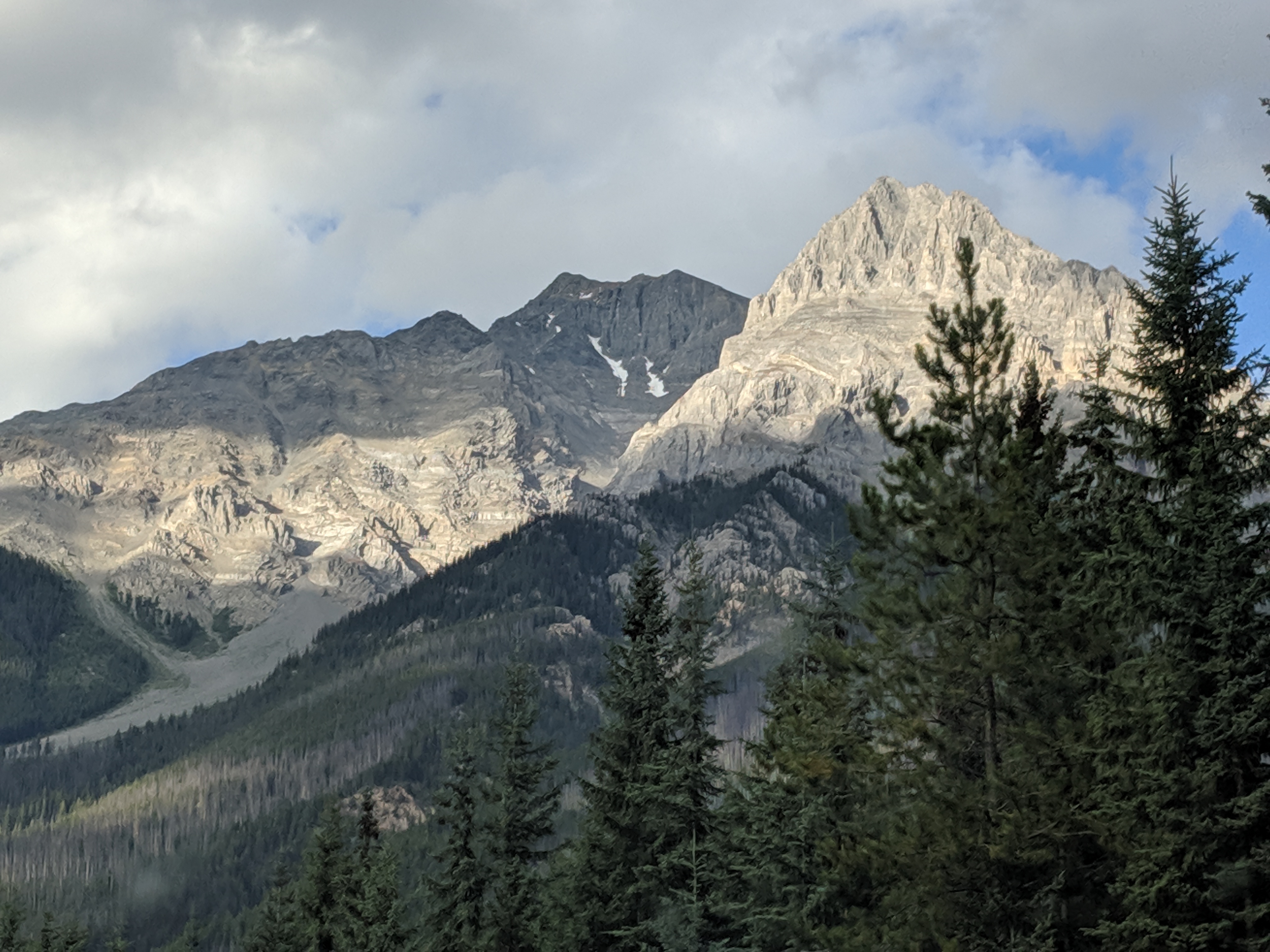
If you’ve read this far, you can probably guess how hectic my life has been this year. At the same time, it’s been gorgeously complex. I finally made it down to see Crater Lake in Oregon, went powder skiing in the Rockies in Utah, drove through the dramatic beauty of the Rockies in Alberta, made my first visit to Mexico and was immersed in the isolated beauty of a mountain canyon in Matacanes.


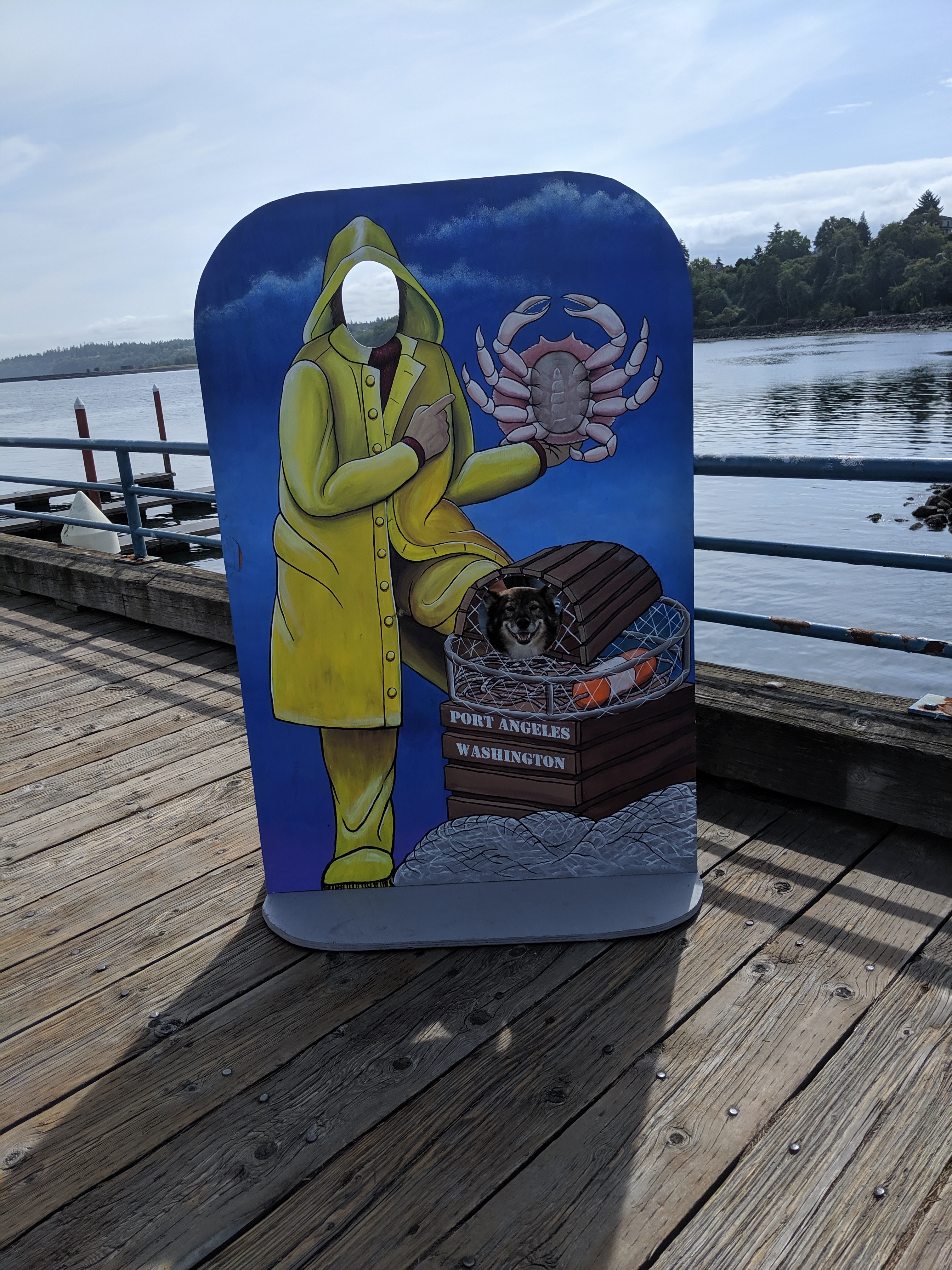
I read the debut science-fiction novel of one very dear friend of mine and non-debut science non-fiction novel of another dear friend, and took an excessive amount of selfies with my dog.

And… we bought our very first house!!
This Year in Review, I have the clearest idea of where my 2020 is heading. With a new lab and new classes, I’ll be happily well-occupied. I’ll be obtaining 3+ quotes to buy each piece of lab equipment (if it cost more that $6,000) and then waiting two months for it to arrive, troubleshooting R problems and revising scientific manuscripts written by first-time authors, I’ll be training my new brood of students in the lab, and I’ll be sharing my experiences here! Stay tuned!
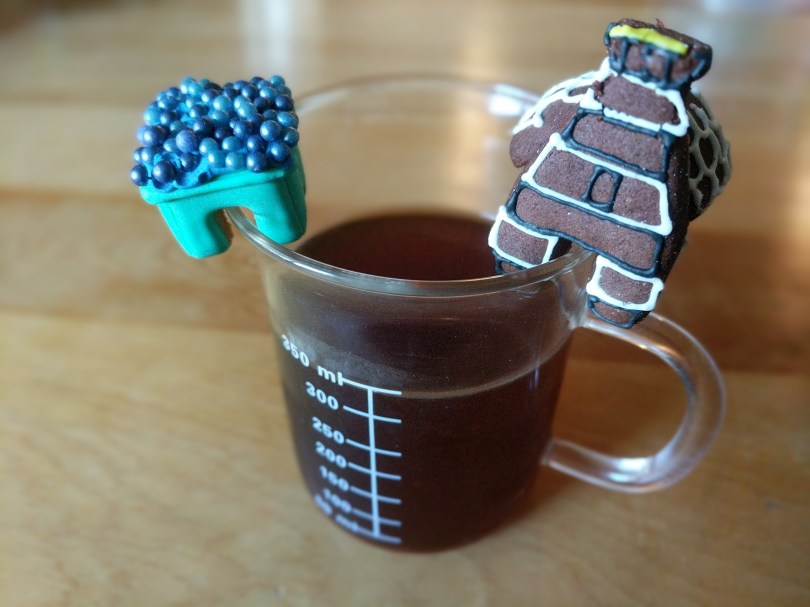
Featured Image: Cookies from Mug Buddy Cookies

I have joined the graduate faculty in the Graduate School of Biomedical Science and Engineering (GSBSE) at the University of Maine. GSBSE is an interdisciplinary graduate program which spans not only multiple graduate programs at UM, but at four other institutions in the state. As faculty in the program, I can now accept graduate students whose research doesn’t fit under the umbrella of one specific field.
This week, I chatted with Mike Tipping, Communications Director of Maine People’s Alliance, and Ben Chin, Deputy Director of Maine People’s Alliance, on my recent publication on ‘microbes and social equity’ in PLoS Biology and the blog version found in the Conversation. We chat about social policies currently under discussion and how they can impact your microbes, why you should care about your neighbor’s microbes, and steps you can take to be a mire microbially-minded and socially-minded community member.
Check out the podcast here:
You can catch up on previous interviews at these fine outlets:
My first official course at the University of Maine has been approved! Starting Fall 2020, I will teach AVS 254: Introduction to Animal Microbiomes!
This 3-credit course is geared towards undergraduates with a science background, with sophomore status or higher. Some familiarity with microbiology, genetics, mammalian anatomy, or microbial ecology would be helpful, but is not specifically required.
The working syllabus can be found here, with more information on lectures, assignments, workload, classroom policies, and more:
Description: This course introduces students to host-associated microbiomes; the genomic collection of bacteria, archaea, fungi, protozoa, and viruses present in a host ecosystem. In each lecture, we will focus on an anatomical location, and discuss the host and environmental pressures which select for the resident microbial community. The material is primarily in animals (mammals, birds, fish, amphibians) but includes some human-specific comparisons. This course will introduce ecological theories (e.g. environmental selection, neutral theory) in the context of microbial communities, the history of host-associated microbiology, and how technology has contributed to or limited our understanding of organisms and their critical role in our health and development. The skill-set objectives include group discussions, reading scientific literature, and scientific writing in a variety of styles and both technical and non-technical formats.

I’ve published a lot this year. More than normal, since I had 5 months with extra time and the knowledge that I would not be able to devote time to old projects if I began a tenure-track position. It’s been wonderful to publish so many projects, especially ones that had been languishing. But publishing fees can be steep, and often the grant is spent out by the time you publish, leaving researchers struggling to pay to get their results out. The more prestigious the journal, typically; the higher the cost. This encourages many authors to turn to lower impact or less reputable journals, which in turn causes colleagues to be suspicious of the article and may hurt their ability to get more grant money or promotion. On top of the base article processing charge (APC), there may be additional fees to print color photos, supplemental information, or to make the article open-access (readable without a journal subscription).
I’ve published 10 articles in 2019, only a fraction of what I contributed to paying for (thank you, collaborators!!). All costs are presented as 2019 fees in USD. Some journals charge less if you are a member of their society, or have financial assistance, but I’ve included the prices we paid.
Animal: $2835 APC flat rate (includes open-access)
Basic and Applied Ecology: $2000 APC for non-members (includes open-access)
Buildings: $1006 APC (always open-access)
Geoderma: $3350 APC for open-access and $2052.30 for printing 6 figures in color.
Indoor Air: $4300 APC for open-access
Journal of Animal Science: $1300 APC ($100/page member price x 10 pages + $500 color figure charge)
Journal of Exposure Science and Environmental Epidemiology: $3760 APC (includes open-access)
PeerJ: $1095 APC (always open-access). PeerJ also gives discounts for acting as a reviewer, though not applied here.
PLoS Biology: $0 APC for essays because they are published in the magazine (always open access)
PLoS ONE: $1595 APC (always open-access)
Total cost: $21,241
Keep in mind, I’m an editor for two journals and a reviewer for over a dozen, none of which I get paid for. Initial reviews take 2-4 hours, and follow up reviews on revised manuscripts can take 1-2 hours per revision (usually no more than 2 rounds). Editorial takes 1-2 hours per manuscript total, depending on the ease of finding reviewers and the completeness of those reviews. I estimate I’ve provided $3,240 (net) in editorial and review services this year alone.
I’m pleased to announced that the ‘microbes and social equity’ paper has been published as an essay in PLoS Biology, and will be included in their Microbiomes Across Biological Systems special issue.
In summer 2019, I developed and taught a course on ‘Microbes and Social Equity‘ to the Clark Honors College at the University of Oregon. The course assignments were literature review essays on various topics, which were compiled into a single manuscript as the group-based final project for the course. This large version is available as a preprint; however, the published version is more focused.
Suzanne L. Ishaq1,2*, Maurisa Rapp2,3, Risa Byerly2,3, Loretta S. McClellan2, Maya R. O’Boyle2, Anika Nykanen2, Patrick J. Fuller2,4, Calvin Aas2, Jude M. Stone2, Sean Killpatrick2,4, Manami M. Uptegrove2, Alex Vischer2, Hannah Wolf2, Fiona Smallman2, Houston Eymann2,5, Simon Narode2, Ellee Stapleton6, Camille C. Cioffi7, Hannah Tavalire8
What do ‘microbes’ have to do with social equity? On the surface, very little. But these little organisms are integral to our health, the health of our natural environment, and even impact the ‘health’ of the environments we have built. Early life and the maturation of the immune system, our diet and lifestyle, and the quality of our surrounding environment can all impact our health. Similarly, the loss, gain, and retention of microorganisms — namely their flow from humans to the environment and back — can greatly impact our health and well-being. It is well-known that inequalities in access to perinatal care, healthy foods and fiber, a safe and clean home, and to the natural environment can create and arise from social inequality. Here, we focus on the argument that access to microorganisms as a facet of public health, and argue that health inequality may be compounded by inequitable microbial exposure.
In October 2017, Dr. Rich Corsi came to visit Oregon for two weeks during a sabbatical from the University of Texas, Austin. During his stay, Rich and I, and other BioBE/ESBL researchers chatted about doing a pilot study that would bring UT’s indoor chemistry work together with BioBE’s indoor microbial work.
Since we began our collaboration in the fall of 2017, only one of the research team is still in their original position (Jeff Kline at ESBL)! Rich Corsi, Ying Xu, and myself have all gone on to faculty positions elsewhere, graduate student Chenyang Bi defended and started a post-doc position, and the two undergrads working with me, Susie Nunez and Samantha Velazquez, graduated and went on to other things! Science collaborations work best when they can stand the test of time and geography. The benefit to everyone moving around is that you are able to hold collaboration meetings in new and exciting places each time.
In addition to the literature review we collaborated on, we eventually did get a research pilot running, and it has now been published in PeerJ!
Samantha Velazquez1, Chenyang Bi 2,3, Jeff Kline 1,4, Susie Nunez1, Richard Corsi 3,5, Ying Xu 3,6, Suzanne L. Ishaq1,7*
Affiliations:
1 Biology and the Built Environment Center, University of Oregon, Eugene, OR, 97403
2 Department of Civil Environmental Engineering, Virginia Polytechnic Institute and State University, Blacksburg, VA 24061 (current)
3 Department of Civil, Architectural and Environmental Engineering, University of Texas, Austin, TX 78712
4 Energy Studies and Buildings Laboratory, University of Oregon, Eugene, OR, 97403
5 Fariborz Maseeh College of Engineering and Computer Science, Portland State University, Portland, OR 97207 (current)
6 Department of Building Science, Tsinghua University, 100084, Beijing, P. R. China (current)
7 School of Food and Agriculture, University of Maine, Orono, ME 04469 (current)
Di-2-ethylhexyl phthalate (DEHP) is a plasticizer used in consumer products and building materials, including polyvinyl chloride flooring material. DEHP adsorbs from material and leaches into soil, water, or dust, and presents an exposure risk to building occupants by inhalation, ingestion, or absorption. A number of bacterial isolates are demonstrated to degrade DEHP in culture, but bacteria may be susceptible to it as well, thus this study examined the relation of DEHP to bacterial communities in dust. Polyvinyl chloride flooring was seeded with homogenized house dust and incubated for up to 14 days, and bacterial communities in dust were identified at days 1, 7, and 14 using the V3-V4 regions of the bacterial 16S rRNA gene. DEHP concentration in dust increased over time, as expected, and bacterial richness and Shannon diversity were negatively correlated with DEHP concentration. Some sequence variants of Bacillus, Corynebacterium jeddahense, Streptococcus, and Peptoniphilus were relatively more abundant at low concentrations of DEHP, while some Sphingomonas, Chryseobacterium, and a member of the Enterobacteriaceae family were relatively more abundant at higher concentrations. The built environment is known to host lower microbial diversity and biomass than natural environments, and DEHP or other chemicals indoors may contribute to this paucity.

2019 has been a hectic year for my career, but I managed to turn lemons into peer-reviewed lemonade. For the first half of the year, my primary focus was writing and submitting manuscripts on a backlog of work. And it’s paid off, I have had 10 things accepted for publication this year! I don’t expect to repeat this feat, this was the culmination of many projects over the last 5 years which matriculated all at once. But, it feels great to be able to do it once.
Ishaq, S.L., Page, C.M., Yeoman, C.J., Murphy, T.W., Van Emon, M.L., Stewart, W.C. 2019. Zinc amino acid supplementation alters yearling ram rumen bacterial communities but zinc sulfate supplementation does not. Journal of Animal Science 97(2):687–697. Article.
blog post and project page for the zinc paper.
Ishaq, S.L., Lachman, M.M., Wenner, B.A., Baeza, A., Butler, M., Gates, E., Olivo, S., Buono Geddes, J., Hatfield, P., Yeoman, C.J. 2019. Pelleted-hay alfalfa feed increases sheep wether weight gain and rumen bacterial richness over loose-hay alfalfa feed. PLoS ONE 14(6): e0215797. Article.
blog post and project page for the ‘particle size’ paper.
Stenson, J., Ishaq, S.L., Laguerre, A., Loia, A., MacCrone, G., Mugabo, I., Northcutt, D., Riggio, M., Barbosa, A., Gall, E.T., Van Den Wymelenberg, K. 2019. Monitored Indoor Environmental Quality of a Mass Timber Office Building: A Case Study. Buildings 9:142. Article.
Blog post for the buildings paper.
Seipel, T., Ishaq, S.L., Menalled, F.D. 2019. Agroecosystem resilience is modified by management system via plant–soil feedbacks. Basic and Applied Ecology. In press. Article.
Ishaq, S.L., Seipel, T., Yeoman, C.J., Menalled, F.D. 2020. Soil bacterial communities of wheat vary across the growing season and among dryland farming systems. Geoderma 358(15):113989. Article.
Blog post on the soil microbes paper.
Velazquez, S., Bi, C., Kline, J., Nunez, S., Corsi, R., Xu, Y., Ishaq, S.L. 2019. Accumulation of di-2-ethylhexyl phthalate from polyvinyl chloride flooring into settled house dust and the effect on the bacterial community. PeerJ. Accepted, anticipated out in early December
Velazquez S., Griffiths W., Dietz L., Horve P., Nunez, S., Hu, J., Shen, J., Fretz, M., Bi, C., Xu, Y., Van Den Wymelenberg, K.G., Hartmann, E.M., Ishaq, S.L. 2019. From one species to another: A review on the interaction of chemistry and microbiology in relation to cleaning in the built environment. Indoor Air 26(6):875-1049. Impact 4.71. Article.
Garcia-Mazcorro, J.F., Ishaq, S.L., Rodriguez-Herrera, M.V., Garcia-Hernandez, C.A., Kawas, J.R., Nagaraja, T.G. 2019. Review: Are there indigenous Saccharomyces in the digestive tract of livestock animal species? Implications for health, nutrition and productivity traits. Animal: 1-9. Article.
Blog post for the yeast paper.
Horve, P.F., Lloyd, S., Mhuireach, G.A., Dietz, L., Fretz, M., MacCrone, G., Van Den Wymelenberg, K., Ishaq, S.L. Building Upon Current Knowledge of Indoor Microbiology to Construct the Next Era of Research into Microorganisms, Health, and the Built Environment. Journal of Exposure Science and Environmental Epidemiology. Article.
Ishaq, S.L., Rapp, M., Byerly, R., McClellan, L.S., O’Boyle, M.R., Nykanen, A., Fuller, P.J., Aas, C., Stone, J.M., Killpatrick, S., Uptegrove, M.M., Vischer, A., Wolf, H., Smallman, F., Eymann, H., Narode, S., Stapleton, E., Cioffi, C.C., Tavalire, H.. 2019. Framing the discussion of microorganisms as a facet of social equity in human health. PLoS Biology, Microbiomes Across Systems special issue. Accepted, will be released Nov. 26, 2019 at 2 pm EST
Blog post for the social equity paper.
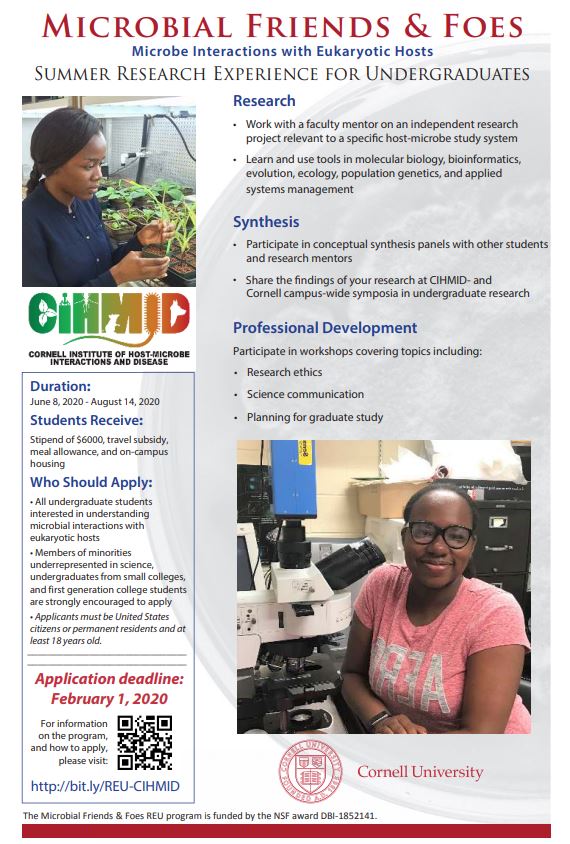
“The Cornell Institute of Host-Microbe Interactions and Disease (CIHMID) is accepting applications for the NSF-funded Microbial Friends & Foes Research Experience for Undergraduates (REU) Summer Program (bit.ly/REU-CIHMID). Applications are due February 1, 2020.
The Microbial Friends & Foes Program will take place from June 8 to August 14, 2020. The program will provide training in the concepts and experimental approaches central to understanding microbial interactions with eukaryotic hosts. Students will learn about broad diversity of microbe-eukaryote interactions through conducting independent research projects, participation in weekly research group meetings, seminars presented by CIHMID faculty, Microbial Friends & Foes Synthesis Panels, CIHMID Summer Symposium, and Microbial Friends & Foes Poster Session. Emphasis will be placed on appreciation of the scientific method and developing effective strategies for conducting research as well as on the synthesis of concepts important to interspecific interactions across diverse systems. In addition, workshops in electronic database literacy, science citation software, research ethics, science communication, and planning for graduate study will be offered to the Microbial Friends & Foes program participants. Students will receive a stipend of $6000, travel subsidy, meal allowance and on-campus housing. Applicants will be asked to identify 3 laboratories of interest, and will be selected in a two-step review process by the program organizers and potential mentors. A flyer describing the program is attached and more information can be found at bit.ly/REU-CIHMID.
WHO SHOULD APPLY
*All undergraduate students interested in understanding microbial interactions with eukaryotic hosts.
*Members of minorities underrepresented in science, undergraduates from small colleges, and first-generation college students.
*Applicants must be United Stated citizens or permanent residents and at least 18 years old.”
 The Ishaq Lab