I'm an assistant professor of animal and veterinary studies at the University of Maine, Orono, studying how animals get their microbes. I am also the Founder and Lead of the Microbes and Social Equity working group.
Now that I’m an assistant professor, a significant amount of my time is spent writing grant proposals to fund projects I’d like to do in the future.
Many large federal or foundational grants take up to a year from submission to funds distribution, and the success rate, especially for newly-established researches, can be quite low. It’s prudent to start writing well in advance of the due date, and to start small, with “pilot projects”.
To that end, I’m pleased to announce that Dr. Lily Calderwood and I just received word that the Wild Blueberry Commission of Maine is funding a pilot project of ours; “Exploration of Soil Microbiota in Wild Blueberry Soils“. We’ll be recruiting 1 – 2 UMaine students for summer/fall 2020 to participate in the research for their Capstone senior research projects.
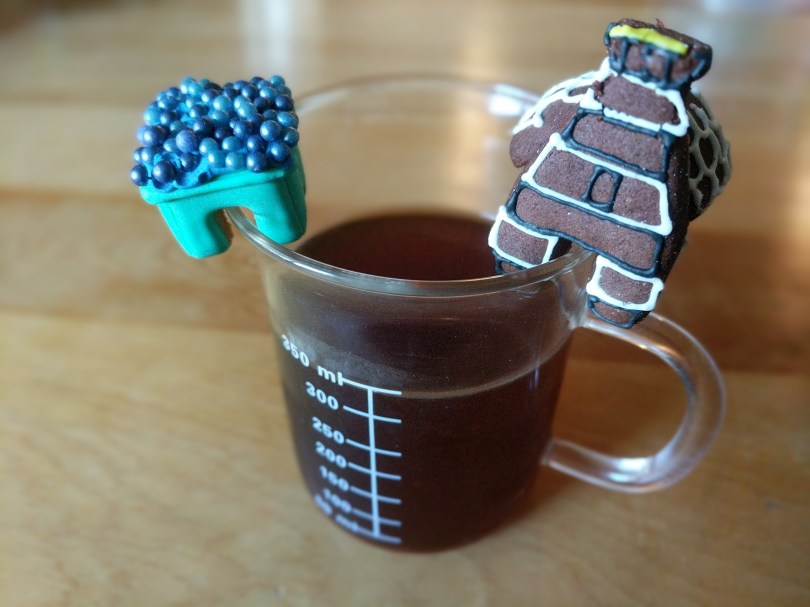
Dr. Calderwood is an Extension Wild Blueberry Specialist, and Assistant Professor of Horticulture in the School of Food and Agriculture at UMaine. She and I developed this project when meeting for the first time, over coffee. We realized we’d both been at the University of Vermont doing our PhD’s concurrently, and in neighboring buildings! We got to chatting about my work in wheat soil microbial communities, and her work on blueberry production, and the untapped research potential between the two.
This pilot will generate some preliminary data to help us get a first look at the soil microbiota associated with blueberries, and in response to management practices and environmental conditions. From this seed funding, Lily and I hope to cultivate fruitful research projects for years to come!
One of the biggest challenges faced by STEMM (science, technology, engineering, math, medicine) advocacy groups is finding the time and resources to propose and execute initiatives, as well as find the time for social media engagement to grow the group. There are a number of groups already established in Maine which seek to promote STEMM advocacy/education, accessibility, diversity/equity/inclusion, campus community members, and the general public.
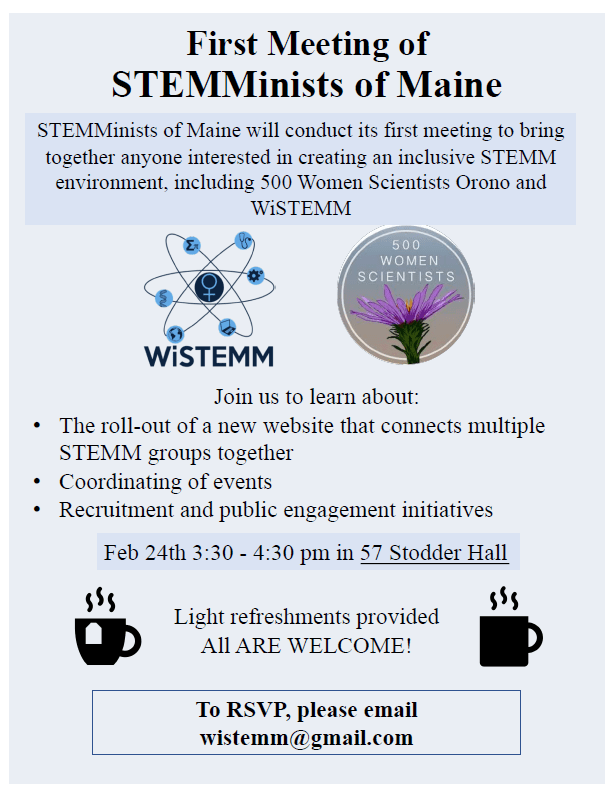
STEMMinists of Maine is a newly-formed STEMM advocacy group, which seeks to bring together these various groups. Our goal is to act as an umbrella organization, to create a cohesive social media presence that makes it easier for people interested in STEMM advocacy and inclusion to find resources, coordinate events, and get the message out. All participating groups will remain autonomous, but participation (which is free) will hopefully allow us all to reach a broader audience and have a greater impact in both campus and state-wide initiatives.
Our inaugural meeting will be held at the University of Maine campus, 57 Stodder Hall, to introduce STEMMinists and invite others to be part of our work to promote a better STEMM community. All are welcome!
Shortly after, our website and social media will be finalized and launched!
The Ishaq lab has been quietly growing, and we had our first official meeting today! I can’t wait to see what we accomplish together.
We are all such rock stars, we needed to meet virtually to keep up with our busy schedules!
Top left: Adwoa, a PhD student in Dr. Jen Perry’s lab, working on kombucha microbes. Top right: in the office with me, Alexandria, an MPS student working on research techniques for gut microbes. Bottom left: senior member Tindall, a MS student at Montana State University in the Menalled/Seipel lab working on soil microbes. Bottom left: Johanna, incoming MS student in nutrition who will be working on diet and gut microbes. Undergrad Emily couldn’t make it, and we have a few more pending members and affiliates joining us in 2020.
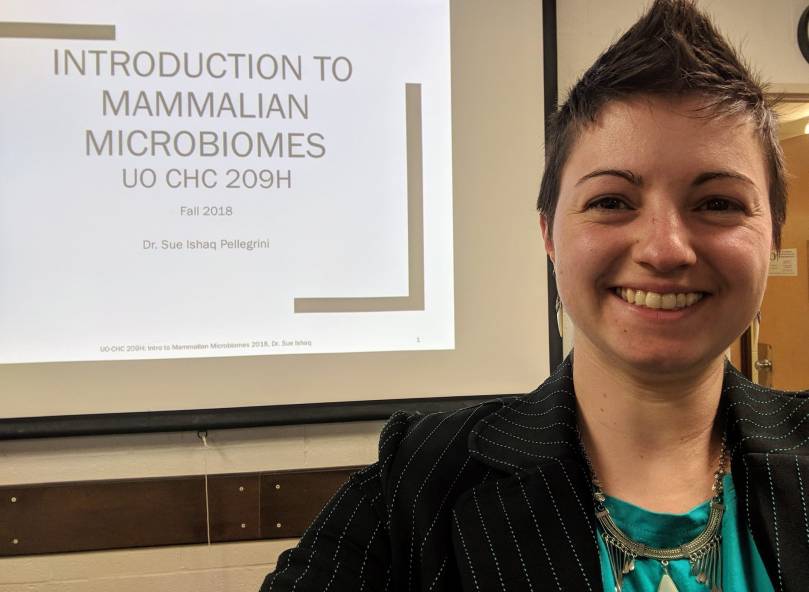
At the University of Maine, I am currently developing two newcourses based on similar material I’ve taught previously at the University of Oregon and Montana State University. I’ve written about several of those classes, including a retrospective after teaching ‘Introduction to Mammalian Microbiomes’ to humanities students. Here, with the spring semester commencing this week, I thought I would share my approaches to developing coursework. While a class doesn’t stand on organizational physique alone, it can go a long way to facilitating your communication with your students, their understanding of course expectations, and their ability to assimilate the information you are disseminating.
What better way to learn about host microbiota than an anatomically-correct dissected cat costume?
Organization of materials
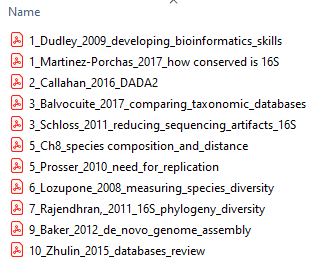
The nature of my teaching means means that I don’t assign readings from a textbook, I curate reading lists for my students from current scientific literature, which changes a little each year. Because of this, and the need for file management, I have a few tricks. First, I have a folder (on my computer and the online teaching tool) specific to readings for that class. I curate the file name with first author, year, and few words from the title so I can keep track of what it is (ex. Zhulin_2015_databases_review). I duplicate that file name in my syllabus, so I can copy and paste instead of writing it out again.
I format my syllabus as a table, and add each reading to the day on which it is assigned. If I move lectures around, I move the whole table row, so I can migrate assignments and readings along with lecture titles. Lastly, because the readings are specific to lecture and date assigned, I mimic that order in my file names by numbering them all instead of leaving them in alphabetic order (ex. 10_Zhulin_2015_databases_review), to facilitate knowing when and which is assigned.
And I don’t just number them by order, I number them by lecture so students or I can just match the lecture number across the lecture files, assigned readings, etc.
Written assignments (when logistically possible)
There’s no easy way to grade written assignments from students, but I prefer it to exam-style assessments. Particularly in teaching microbial ecology and sequencing data analysis, there’s not a lot of strict memorization like there is in anatomy. The material lends itself more to critical thinking and debating theory, to presenting a scientific argument, to problem solving, or to composing mock scientific manuscripts. In allowing students the word count to work through their thoughts, they are able to find the words to express their opinion on, say, the Hygiene Hypothesis when only weeks before they didn’t know that some microbes can turn the immune system on or off.
Written assignments allow me to give them feedback, including grammatical corrections, suggestion on sentence structure, pointing out leaps of logic where they left readers behind, and of course, on the strength of the scientific argument. This is particularly helpful when learning to write technical science.
Photo credit: Merriam-Webster
In giving students the agency to choose a topic to write about from the curricula tasting menu I’ve provided in my lectures, I receive back more information than just what I provided, which keeps things interesting for me. And, in giving them assignments which practice their writing voice, I witness their progression towards mature scientific writing.
Stacking assignments for improved retention
It takes time to become familiar with new information. That’s why school subjects are taught multiple times, or in specific orders, as you progress through education. I have 13 – 15 weeks in a semester (or 10 in a quarter!) to on-board students and teach them a skill. For most of the students I have taught, my class is their first introduction, or their first formal introduction, to the subject.
Especially for my host-associated microbial courses, there are hundreds of years-and-counting worth of history which led us to our current understanding of the microbes that inhabit us. Without that history, an explanation of the available technology, and a discussion of how that technology shaped the view we had, I can’t do justice to the majority of the coursework where I explain how we discovered the relationship between salivation and the microbial community geography in your mouth. The first section of my ‘host-associated’ course includes this background information, and a discussion of current technology, which is reiterated when later discussing literature and how technological shortcomings can hamper our understanding of a microbial community.
To give students more time to practice the material, I give related readings, have a guided discussion at the end of lectures, and stack assignments. Students start with a non-technical summary of a paper; 1-ish paragraph where they have to introduce the paper and why it was done, the methods used, and a major result or two. Trying to explain a complex experiment in simple terms is a great way for students to gain familiarity. When it comes time to write a two-page essay for a take-home exam, I allow the students to build off those summaries, if they choose.
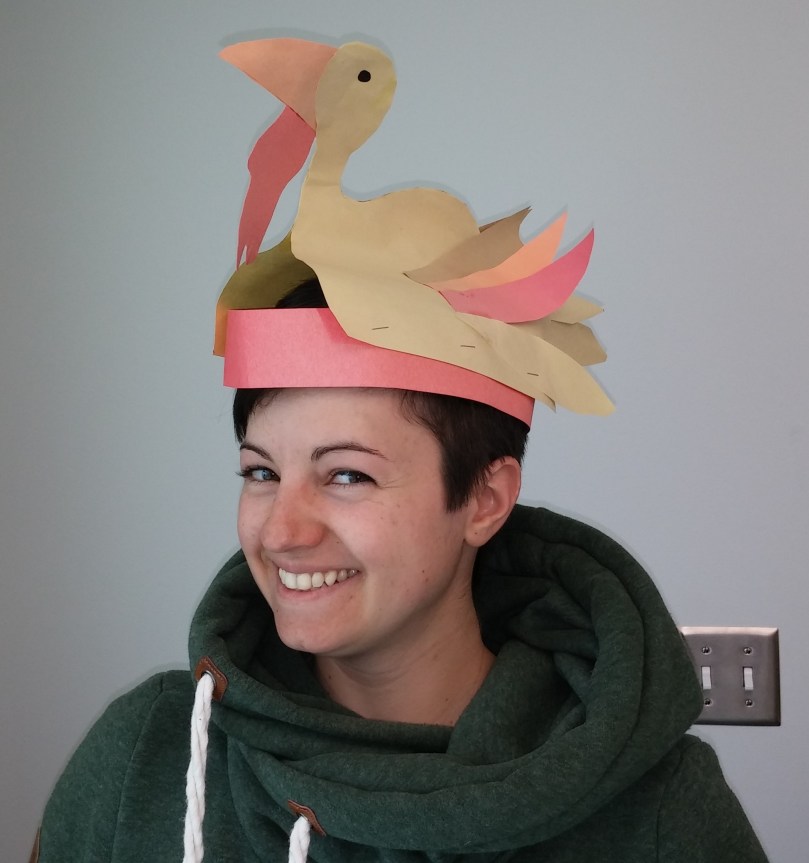
A syllabus is a document which encompasses the important information for the class, including meeting times and rooms, grading policy, lecture and assignment schedule, required reading materials, and more. It can be used to recruit students to sign up for the class, and once in attendance, it’s the first impression students have. It’s where they refer for questions about the course, what’s expected of them, and where to find instructions on assignments. I write my syllabi in a way that makes sense to me, the instructor, and I welcome feedback from students when my instructions are confusing. But, I also welcome feedback from different student populations in order to make the language and presentation of the document more approachable. Sometimes you just need something to break the ice. Like a paper turkey hat.
Wearing the turkey hat that my mentee and I made.
I haven’t actually worn a turkey hat to teach a class, that’s too informal. I dress up like an anatomically-annotated dissected cat, because I’m a professional. Or, I ran regular class discussions that occasionally got heated and were monopolized by a fraction of the class. The next year, I took a stronger moderator stance and would impose more restrictions (“Ok the next comment HAS to use the word “microbes”). I don’t like calling on students, so the next time I have discussions I think I’m going to give them all D20 dice and have them roll for initiative on the order of presenting comments. I also added this to my syllabi:
Class participation: Students are expected to participate in discussions in class. I strive to create inclusive discussions, but if students still find it challenging to participate please notify me and I will alter the discussion format as needed.
AVS 590 Syllabus spring 2020
Most universities also require text or links to their campus policies, driven by federal, state, or university law. These include a statement about accommodations for disabilities, although many faculty are happy to make accommodations without the student receiving prior approval. I started allowing students to occasionally attend lectures by video conferencing, if they notified me ahead of time. It allowed students who were ill or traveling to keep pace with the material, and I have even remotely conference-videoed in to a student’s laptop to present when I was home sick but didn’t want to cancel class.
New this year, I’ve included text about students missing classes for parenting or caregiving responsibilities, something I don’t currently participate in, so it was not something I thought to include information on until someone else (Jenn Perry) gave me their perspective. Now I have this:
Pregnancy, lactation, and parenting: I am happy to make accommodations for students based on pregnancy, lactation, and parental needs, as well as work with the Office of Equal Opportunities. Maine state and UMaine policy allows students to breastfeed in any space, including in class. If a lactation space is required, please contact E.O. for arrangements.
AVS 590 Syllabus spring 2020
Similarly, a tweet by Dave Baltrus about including inclusive statements such as information for food insecure students led me to add this:
And finally, I added text about mandatory reporting. As a public university employee, I am obligated to notify the University of Maine Title IX office about criminal actions towards or by anyone on campus. If a student reveals information to me, I have to pass it on to the Title IX office which will then discretely reach out to the student with resources. The office advocates for anyone on campus, but they are particular important in situations involving students who are low on the power scale and cannot advocate for themselves. While my door is always open to students looking for help, I felt it was important for them to know that I might not be able to keep the meeting confidential.
Inclusiveness in the classroom is important to me, because if students don’t feel welcome, comfortable, and free from hunger, they can’t learn. Despite what opponents think, this doesn’t involve “coddling” or “being too soft”. It means being realistic in my expectations about how people learn and what else they are dealing with that might be inhibiting that. It means that I learn to be more proficient at communication and personnel management, which are vital skills for academics. And it means that we all elevate our skills together.
I’m pleased to announce that I have been elected the Pod Coordinator for the Orono Pod of 500 Women Scientists! This spring, I hope to expand membership in and around Orono, connect with other inclusion and STEMM groups in Maine, and roll out some new initiatives and public engagement events.
500 Women Scientists is a non-profit, grassroots organization started by four women. Immediately following the November 2016 election, they published an open letter re-affirming their commitment to speak up for science and for all genders, minorities, immigrants, people with disabilities, and LGBTQIA. This commitment became a global movement, and that movement has blossomed into a formal organization dedicated to improving science communities. As of January 2018, 500 Women Scientists has over 20,000 members and supporters.
Building communities and fostering real change comes from small groups, not large crowds. Ourlocal podshelp create those deep roots through strong, personal relationships. Pods focus on issues that resonate in their communities, rooted in our mission and values. As women in science, technology, engineering and math, as role models to young girls and women, as leaders in our communities, we accept this challenge. Accept this challenge with us.
I was previously a Pod Coordinator in Eugene, where I coordinated group networking and public engagement events with a fabulous group. I’m looking forward to developing the same heartfelt connections here.
The journal is called Frontier for Young Minds, and pairs a young scientist with an established scientist to review your articles, a ~1,500 word summary version. The journal provides cartoon illustrations that help bring your science to life.
Ours was written by an undergrad I was mentoring at UO, Sam Rosenberg, and architecture grad student Julia May helped us with our Figures. I wasn’t involved with the original article, but along with Ashkaan, I helped Sam draft the summary as non-technical summaries of highly-technical science can be a real challenge. Check it out!
Rosenberg, S., Ishaq, S., May, J., Fahimipour, A.K. 2020. How light exposure changes bacterial communities in household dust. Frontiers for Young Minds.Article.
Notwithstanding the different reasons, 2019 has left us reeling, myself included. Early in the year, I was left scrambling to keep my science career going in the face of unsteady funding resources. Through a combination of collaboration, long hours of writing, a strong support network, a lot of luck, and a pragmatic demeanor, I landed a tenure-track faculty position and pulled off one of the best years of my career, to date. I deeply appreciate all of the concern, assistance, coffee, revisions in a timely manner, coffee, and support provided by so many individuals in the last year.
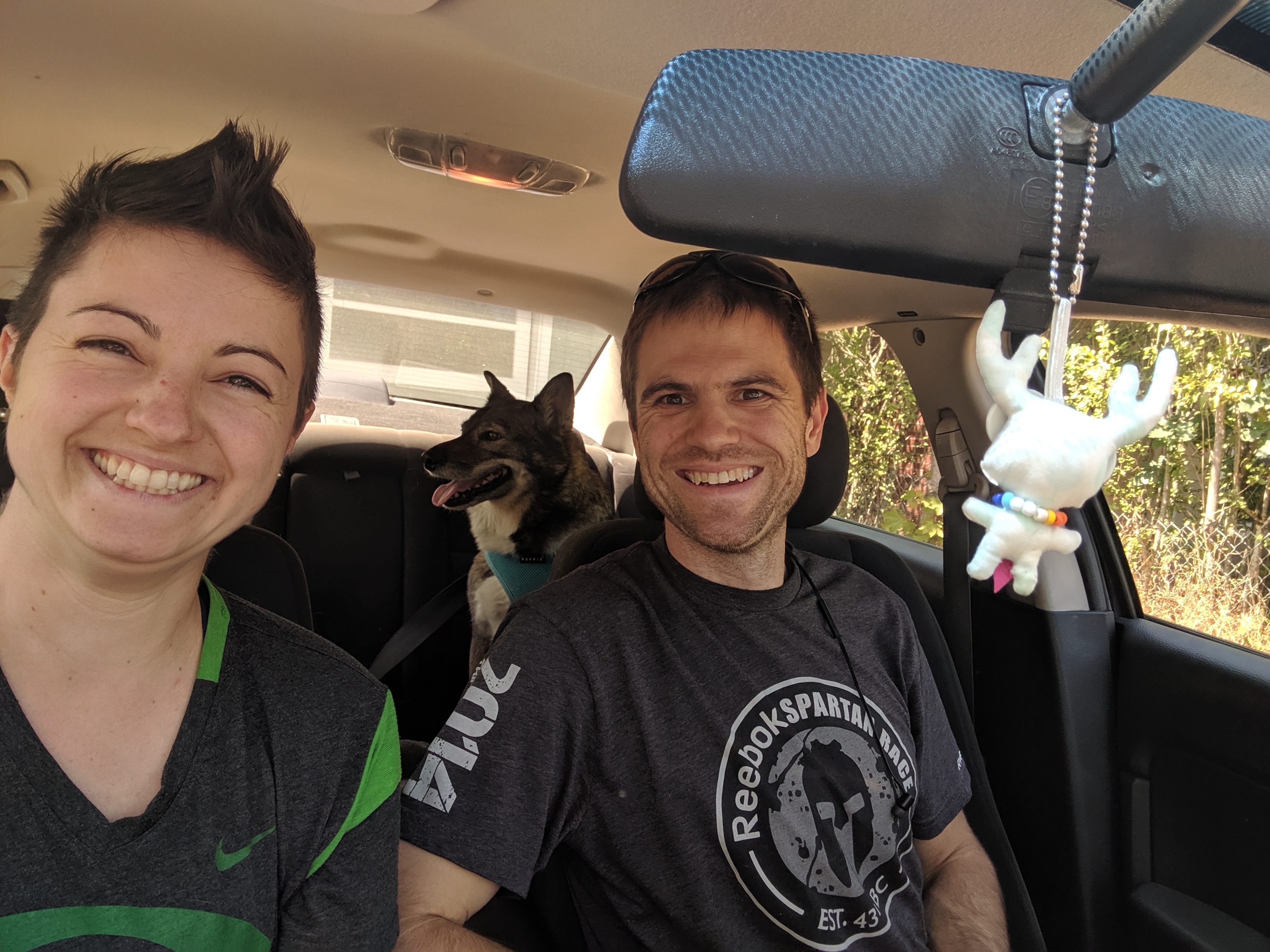
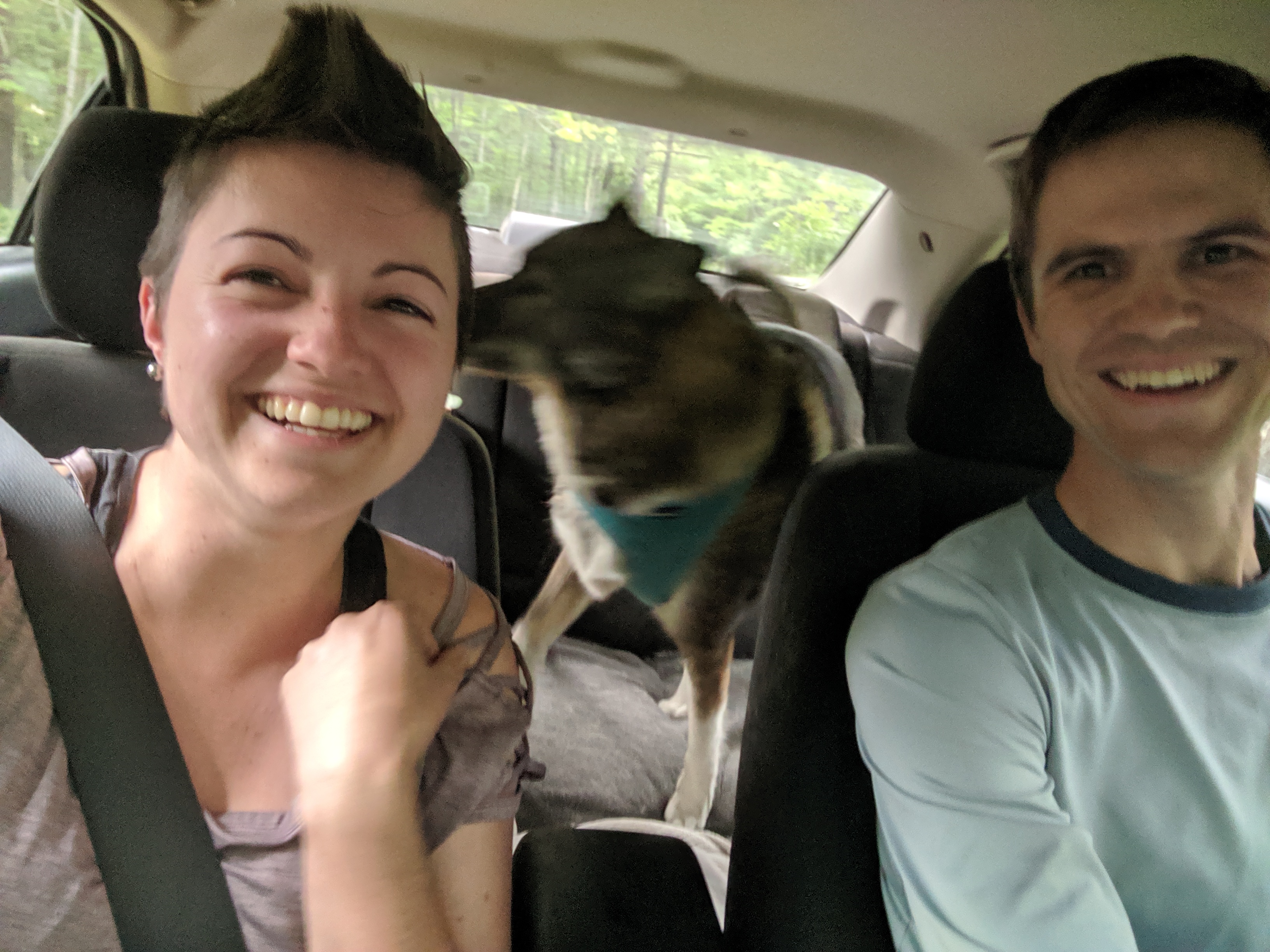
My momentous research activity of 2019 was joining the faculty of the University of Maine, Orono, School of Food and Agriculture as an Assistant Professor of Animal and Veterinary Sciences, beginning in September. In August, my partner, our patient dog, and I drove from the west coast to Maine on a 9-day adventure that would begin a new (and more permanent) phase of our life. From our education in Vermont, to my post-docs in Oregon, to my research faculty position in Oregon, to Maine, we loved the opportunity to live in various states, but are looking forward to having an address for longer than 2 years and more stable income forecasting.
We’ve driven over 7,000 miles in search of academic positions!
Leaving Oregon.
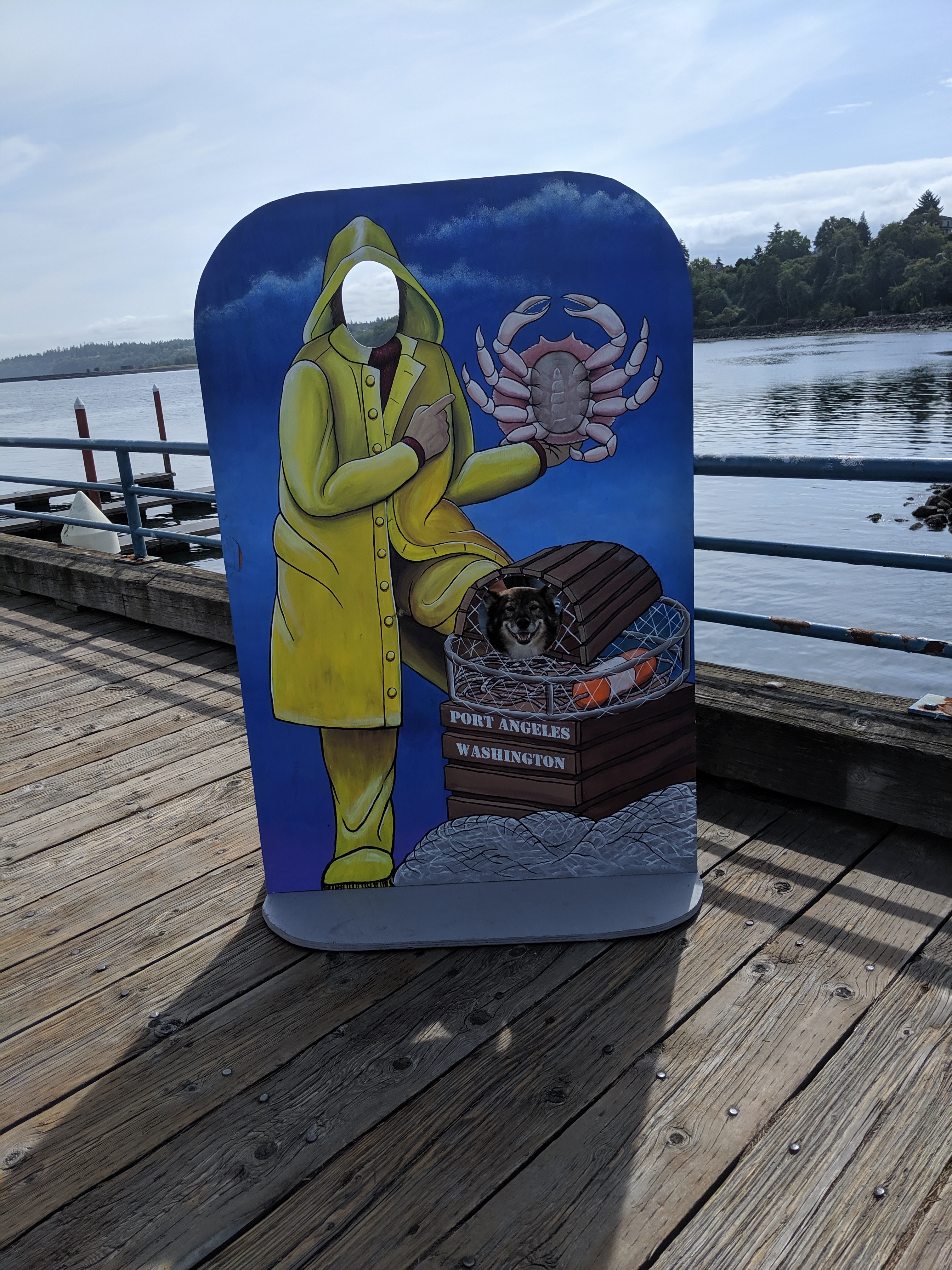
Arriving in Maine and Izzy can barely contain her enthusiasm.
The first few months of my faculty position have been busy! Notably, it’s involved a LOT of training, paperwork, getting acquainted with campus resources, and making connections. Some of these have involved seeking approval to take on graduate students, not just from my department, but students from other departmental programs that want their research to center around my lab’s specialties. UMaine strives to provide interdisciplinary opportunities for students, and as such, encourage multiple cooperating positions. In addition to being able to bring on grad students through the School of Food and Agriculture, I have just been approved as faculty in the Graduate School for Biomedical Sciences and Engineering, and have another cooperating position pending.
My work now spans three major research priorities. My lab will focus on the gut microbiome of livestock, and how microbes can be used to promote animal health and production. This will take shape in a variety of ways, including through global collaborations (more on those as they develop, but many of my previous rumen collaborations that began at Montana State are included in that). I’ll be taking on several graduate and undergraduate students in 2020 for these projects.
Through ongoing collaboration on projects led by Drs. Fabian Menalled and Tim Seipel at Montana State University, I’ll be participating in research to understand climate change and farming practices on wheat production and soil microbes. I am a graduate committee member for Tindall Ouverson, who is completing her master’s at MSU.
I’ll also be collaborating with researchers on microbes in the human gut. Through ongoing collaborations with researchers at the Institute for Health in the Built Environment (primarily those at BioBE) at the University of Oregon, I’ll be looking at infectious disease transmission and building design. And I’m currently developing new collaborations with researchers at Husson University, University of Maine, University of Vermont, and other institutions, which will investigate the interaction between diet, gut microbes, and human health. I’ll be taking on several graduate and undergraduate students in 2020 for these projects.
I published a record 10 papers this year! I don’t expect to achieve this again anytime soon: over the spring and summer I was only working half-time, and with the rest of my time I was doggedly writing up previous project results, overseeing undergraduate authors, and emailing co-authors for revisions. Writing or managing the writing of a manuscript takes a significant amount of work. Even when experiments or field trials are completed within days, weeks, or months, it may takes years to process, analyze, and measure the samples you collect, as well as complete the statistical analysis. You might encounter technical problems, or need to validate a method for use with your research. After all, much of what researchers do is trying new things, as there isn’t always a well-validated protocol to follow and you need to come up with something new. Thus, at least half of the publications from 2019 were wrapping up experiments that had occurred as far back as 2014!
Over the summer, I taught “Microbes and Social Equity” at The University of Oregon for the Clark Honors College. In just four weeks, the students, a few guest speakers, and I collectively wrote a paper to introduce the topic. We submitted it to the journal PloS Biology, and it was accepted for publication in their special call, Microbiomes Across Ecosystems. You can read it here. In the first month, it’s been viewed nearly 5,000 times!
I am developing new coursework for the University of Maine, including AVS 254 Introduction to Animal Microbiomes, which will be taught annually beginning in Fall 2020. This spring, I’ll be teaching a ‘special topics’ class, which will be the preliminary version of a class I am currently developing: DNA Sequence Data Analysis Lab, which will teach students the programming and analysis required to understand complex DNA sequence data, including amplicon, whole-genome, and metagenomics datasets. The special topics version is limited enrollment, and a way to beta-test the class before spending the significant amount of time required to develop a new course. I’ll be sharing more info about the classes as they develop.
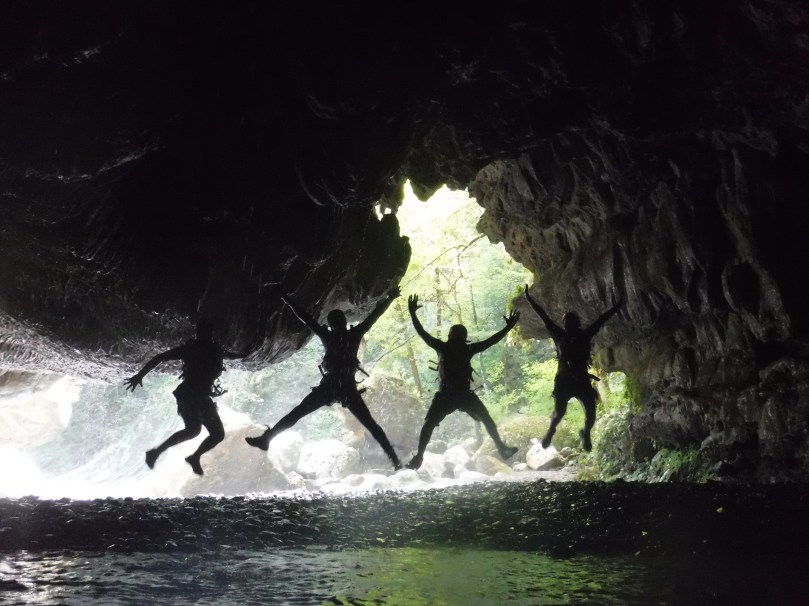
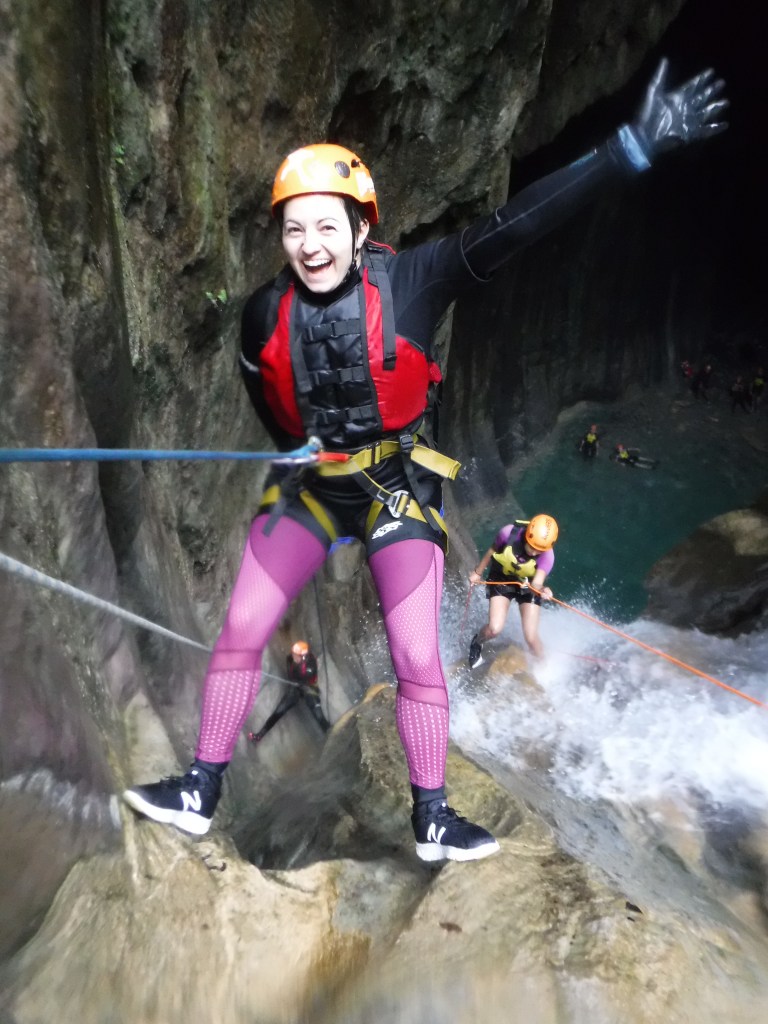
Consortium meeting in Portland, OR. It was a quiet summer for me, but I did attend the Gordon Research Conference on Animal-Microbe Symbioses in Vermont, which showcased fascinating research on the ways that humans and animals interact with the microbes that inhabit our bodies. In October, I had a whirlwind week-long trip which involved giving a presentation in Monterrey, Mexico, then a different presentation in Reno, NV the following day, then heading to Bozeman, MT to catch up with collaborators and teach bioinformatics to Tindall. All of the meetings, seminars, and training was very valuable, but the best part, hands-down, was going to Matacanes canyon.
Rappelling down through a waterfall into a cave.
Outreach
Over 2019, I gave more than ten (not all have been published) interviews on my research! This included a live radio interview, and two podcasts: all new experiences for me.
I published 30 posts this year, including this one, although with ~11,000 words total, I had less to talk about. I anticipate that will change when my lab gets rolling. The most popular post this year continues to be Work-Life Balance: What Do Professors Do?, self explanatory, and the least popular this year is I Accepted a New Position in Soil Microbiology and Agroeconomy!, which makes sense as it was an announcement from 2016 about a post-doc position I’d accepted.
My site had its most popular year, with >4,000 visitors taking >6,000 views, represented by 109 countries. In total, my site has had > 10,000 visitors and >15,000 views since Jan 2016
Website visitors in 2019.
Life
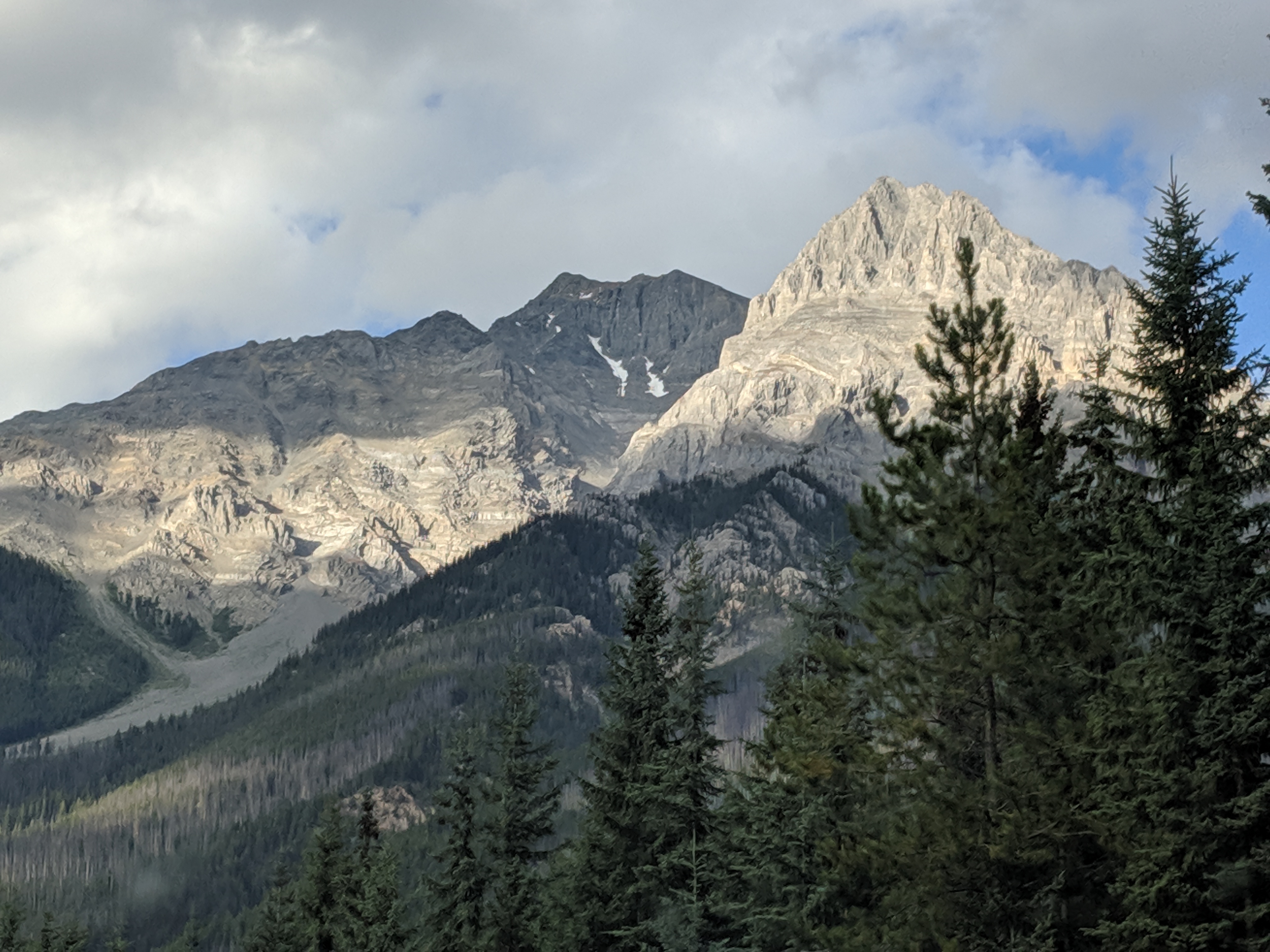
If you’ve read this far, you can probably guess how hectic my life has been this year. At the same time, it’s been gorgeously complex. I finally made it down to see Crater Lake in Oregon, went powder skiing in the Rockies in Utah, drove through the dramatic beauty of the Rockies in Alberta, made my first visit to Mexico and was immersed in the isolated beauty of a mountain canyon in Matacanes.
This Year in Review, I have the clearest idea of where my 2020 is heading. With a new lab and new classes, I’ll be happily well-occupied. I’ll be obtaining 3+ quotes to buy each piece of lab equipment (if it cost more that $6,000) and then waiting two months for it to arrive, troubleshooting R problems and revising scientific manuscripts written by first-time authors, I’ll be training my new brood of students in the lab, and I’ll be sharing my experiences here! Stay tuned!
I have joined the graduate faculty in the Graduate School of Biomedical Science and Engineering (GSBSE) at the University of Maine. GSBSE is an interdisciplinary graduate program which spans not only multiple graduate programs at UM, but at four other institutions in the state. As faculty in the program, I can now accept graduate students whose research doesn’t fit under the umbrella of one specific field.
This week, I chatted with Mike Tipping, Communications Director of Maine People’s Alliance, and Ben Chin, Deputy Director of Maine People’s Alliance, on my recent publication on ‘microbes and social equity’ in PLoS Biology and the blog version found in the Conversation. We chat about social policies currently under discussion and how they can impact your microbes, why you should care about your neighbor’s microbes, and steps you can take to be a mire microbially-minded and socially-minded community member.















 The Ishaq Lab
