The Summit on Microbiome Stewardship is happening this week!!!

Program details and free registration can be found here

Please note, the webinars and the workshop each require registration to help us manage attendance. 

Who should attend?

Students, and professionals from any discipline, are encouraged to attend! The summit is highly interdisciplinary and we welcome diverse perspectives: research presentation and workshop activities represent microbiome, ethics, health, food systems, ecology, and environmental sciences, and more!

What’s the summit about?

Microbiome stewardship is the broad idea that we need to consider ecosystem-level factors when we think about public health, as our environment, behaviors, and public policy affects interactions between microbes and human health. Our ability to develop practices and advocate for policy reform that address societal inequities is limited without a strong microbiome stewardship framework. Led by MSE and the Microbiome Stewardship working group, attendees of the webinars will learn how other researchers engage with microbiome or health stewardship. Participants of the workshops will plan a pathway to bring their own work in line with principles of conservation and stewardship, or design future research to provide tangible and meaningful stewardship endpoints relevant to their area of focus.

Webinars and Case Studies (Monday and Tuesday): Open to everyone, these sessions will feature insightful presentations from leading researchers, policymakers, and community leaders. Join us to hear the latest in microbiome science, social equity, and public health, and leave with new perspectives and ideas to help shape future efforts.

Interactive Workshops (Wednesday and Thursday): Selected participants will come together in these collaborative sessions to co-develop case studies that integrate research, practice, and policy. With a focus on actionable outcomes, these workshops provide an opportunity to work closely with experts and contribute directly to the development of a global microbiome stewardship framework. Participation is by application, ensuring a diverse group of voices and expertise.

Webinar Session 1: Human-centric Microbiome Stewardship

Date: Monday July 7, 2025. 12:00 ~ 5:00 PM Eastern Time

Welcome and Intro to the Summit
Sue Ishaq, PhD, Associate Professor, University of Maine; Founder and Lead, MSE

The Concept of Microbiome Stewardship
Kieran O’Doherty, PhD, Professor, University of Guelph; MSE

Indigenous perspectives on microbiome stewardship and public health.
Nicole Redvers, DPhil, ND, MPH, Associate Professor, Western Research Chair & Director, Indigenous Planetary Health; Schulich School of Medicine & Dentistry, Schulich; Interfaculty Program in Public Health, University of Western Ontario

Interpreting the Flora, Interrupting the Frame: Race and Responsibility in Vaginal Microbiome Research
Ari Kozik, PhD, Assistant Professor of Molecular, Cellular, and Developmental Biology, University of Michigan 

Microbiome-based therapeutics in clinical practice: how can we be better stewards?
Susy Hota, MD, MSc, FRCPC. Division Head, Infectious Diseases, University Health Network and Sinai Health; Medical Director, Infection Prevention and Control, University Health Network; Co-Lead of the Microbiota Therapeutics Outcomes Program; Associate Professor, Division of Infectious Diseases, University of Toronto

The political economy of emerging digital data collection platforms and applications with microbial stewardship.
Victor Secco, PhD, Postdoctoral Researcher, Department of Philosophy and Cultural Heritage, Ca Foscari University of Venice

Communities and Contexts in Childhood Microbiome Research.
Justine Debelius, PhD. Assistant Scientist, Department of Epidemiology, Johns Hopkins Bloomberg School of Public Health

Webinar Session 2: Environment-centric Microbiome Stewardship

Date: July 8, 2025. 12:00 ~ 5:00 PM Eastern Time

Welcome and Intro to the Summit.
Sue Ishaq, PhD, Associate Professor, University of Maine; Founder and Lead, MSE

Microbiome stewardship curricular design using MSE themes
Carla Bonilla, PhD, Associate Professor of Biology, University of San Diego; MSE

The Concept of Microbiome Stewardship
Mallory Choudoir, PhD, Assistant Professor and Soil Microbiome Extension Specialist, North Carolina State University; MSE

Microbes, microbiomes and biodiversity conservation
Kent Redford, PhD, Principal, Archipelago Consulting

Built environment and microbiome engineering: Responsible Development and Engagement
Jennifer Kuzma, PhD, Professor, School of Public and International Affairs; Co-Director, Genetic Engineering & Society Center; Associate Director, Precision Microbiome Engineering Center (PreMiEr, NSF-ERC); North Carolina State University
Kristen Landreville, PhD, Senior Research Scholar, Societal and Ethical Implications (SEI) Core in the PreMiEr Engineering Research Center, North Carolina State University

Intersections Between the SDOH and Community-Acquired Antibiotic Resistance: A New Role for Environmental Surveillance?
Maya Nadipalli, PhD, Assistant Professor, Emory University

Engaging with Indigenous perspectives related to subsurface microbiome research
Professor Josh Neufield, PhD, Professor, University Research Chair, University of Waterloo

Workshop Sessions 1 and 2: Stewardship Planning Activities

Session 1: Focus on Host Microbiomes, Wednesday July 9, 2025, 1:00 ~ 3:30 PM Eastern Time
Session 2: Focus on Environmental Microbiomes, Thursday July 10; 1:00 ~ 3:30 PM Eastern Time

We will use Zoom Breakout Rooms to form groups of 5 -10 people based on several topic themes. Each group will be led by an invited speaker and an MSE group member, and group notetaking will be facilitated using shared online documents.

Discussion 1 (Foundations)

How does the connection between microbiomes and health (human and non-human) relate with your work? What needs to be stewarded/protected in your area of expertise? 
To achieve goals of microbiome stewardship in your area, what interdisciplinary partnerships, or research or education programs need to be developed? What problems exist in your field that prevent implementing research or policy solutions?

Discussion 2 (Policy Connections)
What are the policy domains we need to target for protection of microbial ecosystems to ensure positive health outcomes? What kind of policies could be effective in helping to maintain microbiome health? What agencies or organizations might oversee regulations for the protection of microbial ecosystems? How could one begin to advocate for microbiome health in various policy domains?

Group activity: Create your path to microbiome
In Zoom Breakout Rooms organized by broad topics, we will generate case studies related to our own work which would include microbiome stewardship.First, use the template provided to draw your pathway. Then, design a project or research that would advance you along that path. Finally, identify a task list, time table, list of needs, and list of goals/outputs for the project.

Discussion 3 (Getting Microbiome Stewardship onto the Agenda)
How can we raise awareness about the importance of microbial ecologies in human and planetary health? How can we get the protection of microbial ecosystems onto policy maker agendas? What initiatives currently exist with whom we can seek partnerships?

MSE seminar today on “Viral Entry: Lessons from Pathogens to Improve Human Health”

The MSE logo is a scale for comparing weights of two things, with microbes being weighed on both sides.

Events will be hosted January – December, 2025, on the last Wednesday of every month, 12:00 – 14:00 pm ET. Presented over Zoom.

After each talk, we will continue the discussions in an informal social meeting with MSE. All speakers and members of the audience are welcome to join the social meeting.

Hosted by: Sue Ishaq, MSE, and finacially supported by the University of Maine Institute of Medicine and the UMaine Cultural Affairs/Distinguished Lecture Committee.

Summary

Microorganisms are critical to many aspects of biological life, including human health.  The human body is a veritable universe for microorganisms: some pass through but once, some are frequent tourists, and some spend their entire existence in the confines of our body tissues.  The collective microbial community, our microbiome, can be impacted by the details of our lifestyle, including diet, hygiene, health status, and more, but many are driven by social, economic, medical, or political constraints that restrict available choices that may impact our health.   Access to resources is the basis for creating and resolving social equity—access to healthcare, healthy foods, a suitable living environment, and to beneficial microorganisms, but also access to personal and occupational protection to avoid exposure to infectious disease. This speaker series explores the way that microbes connect public policy, social disparities, and human health, as well as the ongoing research, education, policy, and innovation in this field. 

You can find recordings from previous series here.


“Viral Entry: Lessons from Pathogens to Improve Human Health”

Dr. Chelsey Spriggs, PhD.

Jun 25, 2025 12:00 ET. This event has passed, watch the recording here.
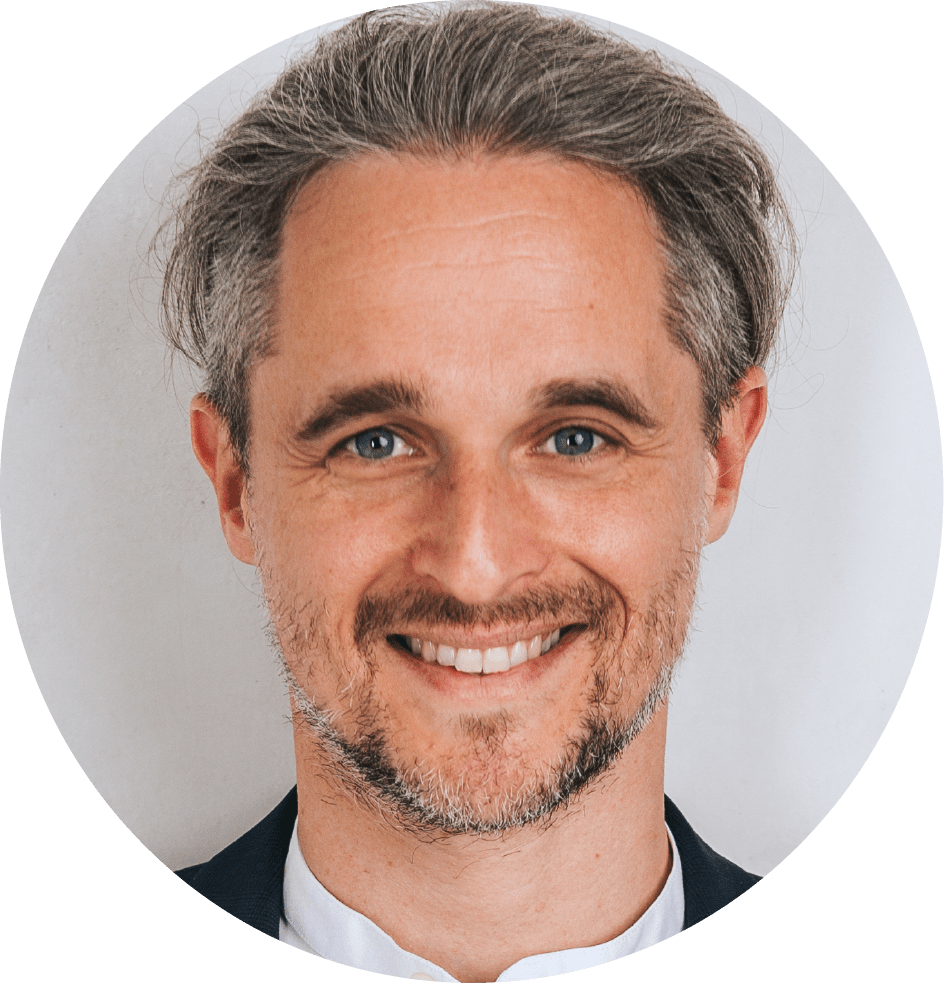
Dr. Chelsey Spriggs, PhD

Dr. Chelsey Spriggs is an Assistant Professor at the University of Michigan Medical School and a Research Assistant Professor at the University of Michigan’s Life Sciences Institute. She earned her PhD in microbiology from Northwestern University in 2017. Chelsey now runs an independent research program at the University of Michigan studying the host-pathogen interactions required for the cellular entry of both oncogenic and oncolytic viruses and is grateful for the opportunity to mentor and train the next generation of young scientists in her lab. The lack of representation in STEM is, at times, discouraging; and she aims to serve as a role-model (and resource) for underrepresented minority students interested in biological research through engaging in various outreach, mentorship, and teaching opportunities. Chelsey is a co-founder of the Black Microbiologists Association where she currently serves as the Treasurer and Director of Membership.

Her faculty profile page is here.


Logo designed by Alex Guillen

The virtual Summit on Microbiome Stewardship is just two weeks away!!!

Program details and free registration can be found here

Please note, the webinars and the workshop each require registration to help us manage attendance. 

Who should attend?

Students, and professionals from any discipline, are encouraged to attend! The summit is highly interdisciplinary and we welcome diverse perspectives: research presentation and workshop activities represent microbiome, ethics, health, food systems, ecology, and environmental sciences, and more!

What’s the summit about?

Microbiome stewardship is the broad idea that we need to consider ecosystem-level factors when we think about public health, as our environment, behaviors, and public policy affects interactions between microbes and human health. Our ability to develop practices and advocate for policy reform that address societal inequities is limited without a strong microbiome stewardship framework. Led by MSE and the Microbiome Stewardship working group, attendees of the webinars will learn how other researchers engage with microbiome or health stewardship. Participants of the workshops will plan a pathway to bring their own work in line with principles of conservation and stewardship, or design future research to provide tangible and meaningful stewardship endpoints relevant to their area of focus.

Webinars and Case Studies (Monday and Tuesday): Open to everyone, these sessions will feature insightful presentations from leading researchers, policymakers, and community leaders. Join us to hear the latest in microbiome science, social equity, and public health, and leave with new perspectives and ideas to help shape future efforts.

Interactive Workshops (Wednesday and Thursday): Selected participants will come together in these collaborative sessions to co-develop case studies that integrate research, practice, and policy. With a focus on actionable outcomes, these workshops provide an opportunity to work closely with experts and contribute directly to the development of a global microbiome stewardship framework. Participation is by application, ensuring a diverse group of voices and expertise.

Webinar Session 1: Human-centric Microbiome Stewardship

Date: Monday July 7, 2025. 12:00 ~ 5:00 PM Eastern Time

Welcome and Intro to the Summit
Sue Ishaq, PhD, Associate Professor, University of Maine; Founder and Lead, MSE

The Concept of Microbiome Stewardship
Kieran O’Doherty, PhD, Professor, University of Guelph; MSE

Indigenous perspectives on microbiome stewardship and public health.
Nicole Redvers, DPhil, ND, MPH, Associate Professor, Western Research Chair & Director, Indigenous Planetary Health; Schulich School of Medicine & Dentistry, Schulich; Interfaculty Program in Public Health, University of Western Ontario

Interpreting the Flora, Interrupting the Frame: Race and Responsibility in Vaginal Microbiome Research
Ari Kozik, PhD, Assistant Professor of Molecular, Cellular, and Developmental Biology, University of Michigan 

Microbiome-based therapeutics in clinical practice: how can we be better stewards?
Susy Hota, MD, MSc, FRCPC. Division Head, Infectious Diseases, University Health Network and Sinai Health; Medical Director, Infection Prevention and Control, University Health Network; Co-Lead of the Microbiota Therapeutics Outcomes Program; Associate Professor, Division of Infectious Diseases, University of Toronto

The political economy of emerging digital data collection platforms and applications with microbial stewardship.
Victor Secco, PhD, Postdoctoral Researcher, Department of Philosophy and Cultural Heritage, Ca Foscari University of Venice

Communities and Contexts in Childhood Microbiome Research.
Justine Debelius, PhD. Assistant Scientist, Department of Epidemiology, Johns Hopkins Bloomberg School of Public Health

Webinar Session 2: Environment-centric Microbiome Stewardship

Date: July 8, 2025. 12:00 ~ 5:00 PM Eastern Time

Welcome and Intro to the Summit.
Sue Ishaq, PhD, Associate Professor, University of Maine; Founder and Lead, MSE

Microbiome stewardship curricular design using MSE themes
Carla Bonilla, PhD, Associate Professor of Biology, University of San Diego; MSE

The Concept of Microbiome Stewardship
Mallory Choudoir, PhD, Assistant Professor and Soil Microbiome Extension Specialist, North Carolina State University; MSE

Microbes, microbiomes and biodiversity conservation
Kent Redford, PhD, Principal, Archipelago Consulting

Built environment and microbiome engineering: Responsible Development and Engagement
Jennifer Kuzma, PhD, Professor, School of Public and International Affairs; Co-Director, Genetic Engineering & Society Center; Associate Director, Precision Microbiome Engineering Center (PreMiEr, NSF-ERC); North Carolina State University
Kristen Landreville, PhD, Senior Research Scholar, Societal and Ethical Implications (SEI) Core in the PreMiEr Engineering Research Center, North Carolina State University

Intersections Between the SDOH and Community-Acquired Antibiotic Resistance: A New Role for Environmental Surveillance?
Maya Nadipalli, PhD, Assistant Professor, Emory University

Engaging with Indigenous perspectives related to subsurface microbiome research
Professor Josh Neufield, PhD, Professor, University Research Chair, University of Waterloo

Workshop Sessions 1 and 2: Stewardship Planning Activities

Session 1: Focus on Host Microbiomes, Wednesday July 9, 2025, 1:00 ~ 3:30 PM Eastern Time
Session 2: Focus on Environmental Microbiomes, Thursday July 10; 1:00 ~ 3:30 PM Eastern Time

We will use Zoom Breakout Rooms to form groups of 5 -10 people based on several topic themes. Each group will be led by an invited speaker and an MSE group member, and group notetaking will be facilitated using shared online documents.

Discussion 1 (Foundations)

How does the connection between microbiomes and health (human and non-human) relate with your work? What needs to be stewarded/protected in your area of expertise? 
To achieve goals of microbiome stewardship in your area, what interdisciplinary partnerships, or research or education programs need to be developed? What problems exist in your field that prevent implementing research or policy solutions?

Discussion 2 (Policy Connections)
What are the policy domains we need to target for protection of microbial ecosystems to ensure positive health outcomes? What kind of policies could be effective in helping to maintain microbiome health? What agencies or organizations might oversee regulations for the protection of microbial ecosystems? How could one begin to advocate for microbiome health in various policy domains?

Group activity: Create your path to microbiome
In Zoom Breakout Rooms organized by broad topics, we will generate case studies related to our own work which would include microbiome stewardship.First, use the template provided to draw your pathway. Then, design a project or research that would advance you along that path. Finally, identify a task list, time table, list of needs, and list of goals/outputs for the project.

Discussion 3 (Getting Microbiome Stewardship onto the Agenda)
How can we raise awareness about the importance of microbial ecologies in human and planetary health? How can we get the protection of microbial ecosystems onto policy maker agendas? What initiatives currently exist with whom we can seek partnerships?

MSE seminar next week on “Viral Entry: Lessons from Pathogens to Improve Human Health”

The MSE logo is a scale for comparing weights of two things, with microbes being weighed on both sides.

Events will be hosted January – December, 2025, on the last Wednesday of every month, 12:00 – 14:00 pm ET. Presented over Zoom.

After each talk, we will continue the discussions in an informal social meeting with MSE. All speakers and members of the audience are welcome to join the social meeting.

Hosted by: Sue Ishaq, MSE, and finacially supported by the University of Maine Institute of Medicine and the UMaine Cultural Affairs/Distinguished Lecture Committee.

Summary

Microorganisms are critical to many aspects of biological life, including human health.  The human body is a veritable universe for microorganisms: some pass through but once, some are frequent tourists, and some spend their entire existence in the confines of our body tissues.  The collective microbial community, our microbiome, can be impacted by the details of our lifestyle, including diet, hygiene, health status, and more, but many are driven by social, economic, medical, or political constraints that restrict available choices that may impact our health.   Access to resources is the basis for creating and resolving social equity—access to healthcare, healthy foods, a suitable living environment, and to beneficial microorganisms, but also access to personal and occupational protection to avoid exposure to infectious disease. This speaker series explores the way that microbes connect public policy, social disparities, and human health, as well as the ongoing research, education, policy, and innovation in this field. 

You can find recordings from previous series here.


“Viral Entry: Lessons from Pathogens to Improve Human Health”

Dr. Chelsey Spriggs, PhD.

Jun 25, 2025 12:00 ET. This event has passed, watch the recording here.

Dr. Chelsey Spriggs, PhD

Dr. Chelsey Spriggs is an Assistant Professor at the University of Michigan Medical School and a Research Assistant Professor at the University of Michigan’s Life Sciences Institute. She earned her PhD in microbiology from Northwestern University in 2017. Chelsey now runs an independent research program at the University of Michigan studying the host-pathogen interactions required for the cellular entry of both oncogenic and oncolytic viruses and is grateful for the opportunity to mentor and train the next generation of young scientists in her lab. The lack of representation in STEM is, at times, discouraging; and she aims to serve as a role-model (and resource) for underrepresented minority students interested in biological research through engaging in various outreach, mentorship, and teaching opportunities. Chelsey is a co-founder of the Black Microbiologists Association where she currently serves as the Treasurer and Director of Membership.

Her faculty profile page is here.


Logo designed by Alex Guillen
Conservation in a Microbial World meeting

Two weeks ago, I had the honor of attending a three-day workshop on “Conservation in a Microbial World“, which gathered researchers, innovators, and policy makers to discuss the concept, need, logistics, and possibility of formally making microorganisms part of the considerations of the International Union for the Conservation of Nature (IUCN), the global organization which coordinates the protection of species and ecosystems. The meeting was to provide guidance to the IUCN Species Survival Commission (SSC) on microbial ecology, ecosystems which are at risk or already losing micobial diversity because of degradation and human activities, as well as strategies to bring attention to the need to consider microbes in the health of organisms and ecosystems. It was wonderful to reconnect with old friends and make new ones!

Attendees of the 2025 Conservation in a Microbial World meeting, Scripps, La Jolla.

MSE seminar today on “Relational One Health: a more-than-biomedical approach to more-than-human health”

The MSE logo is a scale for comparing weights of two things, with microbes being weighed on both sides.

Events will be hosted January – December, 2025, on the last Wednesday of every month, 12:00 – 14:00 pm ET. Presented over Zoom.

After each talk, we will continue the discussions in an informal social meeting with MSE. All speakers and members of the audience are welcome to join the social meeting.

Hosted by: Sue Ishaq, MSE, and finacially supported by the University of Maine Institute of Medicine and the UMaine Cultural Affairs/Distinguished Lecture Committee.

Summary

Microorganisms are critical to many aspects of biological life, including human health.  The human body is a veritable universe for microorganisms: some pass through but once, some are frequent tourists, and some spend their entire existence in the confines of our body tissues.  The collective microbial community, our microbiome, can be impacted by the details of our lifestyle, including diet, hygiene, health status, and more, but many are driven by social, economic, medical, or political constraints that restrict available choices that may impact our health.   Access to resources is the basis for creating and resolving social equity—access to healthcare, healthy foods, a suitable living environment, and to beneficial microorganisms, but also access to personal and occupational protection to avoid exposure to infectious disease. This speaker series explores the way that microbes connect public policy, social disparities, and human health, as well as the ongoing research, education, policy, and innovation in this field. 

You can find recordings from previous series here.


“Relational One Health: a more-than-biomedical approach to more-than-human health”

Dr. Julianne Meisner, BVM&S, MS, PhD

May 28, 2025, 12:00 ET. This event has passed, watch the recording here.

Dr. Julianne Meisner, BVM&S, MS, PhD is a veterinarian and epidemiologist, and an Assistant Professor in the Departments of Global Health and Epidemiology at the University of Washington in Seattle. Her research and teaching focus on pastoralist health, epidemiologic methods for One Health, and suitable theory for more-than-biomedical approaches to One Health. In particular, her work applies causal inference methods, spatial and mechanistic models, and network analyses to characterize the influence of political and social forces on health at the human-animal-environment nexus.

Her faculty page is here.


Logo designed by Alex Guillen

MSE seminar next week on “Relational One Health: a more-than-biomedical approach to more-than-human health”

The MSE logo is a scale for comparing weights of two things, with microbes being weighed on both sides.

Events will be hosted January – December, 2025, on the last Wednesday of every month, 12:00 – 14:00 pm ET. Presented over Zoom.

After each talk, we will continue the discussions in an informal social meeting with MSE. All speakers and members of the audience are welcome to join the social meeting.

Hosted by: Sue Ishaq, MSE, and finacially supported by the University of Maine Institute of Medicine and the UMaine Cultural Affairs/Distinguished Lecture Committee.

Summary

Microorganisms are critical to many aspects of biological life, including human health.  The human body is a veritable universe for microorganisms: some pass through but once, some are frequent tourists, and some spend their entire existence in the confines of our body tissues.  The collective microbial community, our microbiome, can be impacted by the details of our lifestyle, including diet, hygiene, health status, and more, but many are driven by social, economic, medical, or political constraints that restrict available choices that may impact our health.   Access to resources is the basis for creating and resolving social equity—access to healthcare, healthy foods, a suitable living environment, and to beneficial microorganisms, but also access to personal and occupational protection to avoid exposure to infectious disease. This speaker series explores the way that microbes connect public policy, social disparities, and human health, as well as the ongoing research, education, policy, and innovation in this field. 

You can find recordings from previous series here.


“Relational One Health: a more-than-biomedical approach to more-than-human health”

Dr. Julianne Meisner, BVM&S, MS, PhD

May 28, 2025, 12:00 ET. This event has passed, watch the recording here.

Dr. Julianne Meisner, BVM&S, MS, PhD is a veterinarian and epidemiologist, and an Assistant Professor in the Departments of Global Health and Epidemiology at the University of Washington in Seattle. Her research and teaching focus on pastoralist health, epidemiologic methods for One Health, and suitable theory for more-than-biomedical approaches to One Health. In particular, her work applies causal inference methods, spatial and mechanistic models, and network analyses to characterize the influence of political and social forces on health at the human-animal-environment nexus.

Her faculty page is here.


Logo designed by Alex Guillen
MSE seminar today on “The role of methane-producing anaerobes in One Health”

The MSE logo is a scale for comparing weights of two things, with microbes being weighed on both sides.

Events will be hosted January – December, 2025, on the last Wednesday of every month, 12:00 – 14:00 pm ET. Presented over Zoom.

After each talk, we will continue the discussions in an informal social meeting with MSE. All speakers and members of the audience are welcome to join the social meeting.

Hosted by: Sue Ishaq, MSE, and finacially supported by the University of Maine Institute of Medicine and the UMaine Cultural Affairs/Distinguished Lecture Committee.

Summary

Microorganisms are critical to many aspects of biological life, including human health.  The human body is a veritable universe for microorganisms: some pass through but once, some are frequent tourists, and some spend their entire existence in the confines of our body tissues.  The collective microbial community, our microbiome, can be impacted by the details of our lifestyle, including diet, hygiene, health status, and more, but many are driven by social, economic, medical, or political constraints that restrict available choices that may impact our health.   Access to resources is the basis for creating and resolving social equity—access to healthcare, healthy foods, a suitable living environment, and to beneficial microorganisms, but also access to personal and occupational protection to avoid exposure to infectious disease. This speaker series explores the way that microbes connect public policy, social disparities, and human health, as well as the ongoing research, education, policy, and innovation in this field. 

You can find recordings from previous series here.


“The role of methane-producing anaerobes in One Health”

Dr. Geo Santiago-Martínez, PhD

Apr 30, 2025, 12:00 EDT. This event has passed, watch the recording here.

Geo is an Assistant Professor for Microbiology at
The University of Connecticut (UConn),  specializing in the physiology of methane-producing microbes of the Domain Archaea (methanogens) and the biochemistry of biomolecules involved in their metabolism. Using comparative omics data, his team first identifies possible molecular mechanisms and then experimentally tests functions and phenotypes. The goal of this research program is to understand the role of methanogens in nutrient cycling and the health of host-associated ecosystems and microbiomes. Projects at the UConn Microbial Ecophysiology Laboratory focus on evaluating the molecular mechanisms that regulate cellular processes in methanogens and how energy status influences their ability to withstand environmental stress conditions, using protocols on anaerobic microbial physiology, classical biochemical approaches, transcriptomic analysis, ultrastructure, metabolic modeling, and genetic manipulation.

You can find his lab website here!


Logo designed by Alex Guillen

Goodbye to graduating students in the lab!

The Ishaq Lab is saying goodbye to a large group of students this May! They are off to start the next phase of their career, but they’ll be staying in touch as we continue to analyze data and write up our research results into articles for publication in scientific journals, which can be a lengthy process.

Portrait of Lola Holcomb, wearing a block sweater on a beach at sunset

Lola Holcomb, B.S., PhD.

Doctorate of Philosophy, Biomedical Science

Lola Holcomb just defended her PhD dissertation, and is searching for postdoctoral positions which combine her love of data exploration with her passion for teaching. Lola will continue to collaborate with us to transition her dissertation into publications.

Dr. Tolu Esther Alaba, PhD

PostDoctoral Researcher, Cedars Sinai

Tolu Alaba defended her PhD dissertation last summer, but traveled back to Maine from California to join us for graduation! She’s been working as a postdoctoral researcher at Cedars Sinai on immunological pathways in inflation. Tolu continues to collaborate with us on numerous writing projects.

Marissa Kinney

Marissa Kinney, M.S.

Master of Science, Microbiology, 2024

Marissa completed her Masters in December, but is returning for the May graduation, and has been seeking microbiology technician jobs in Maine. She continues to collaborate with us on several writing projects.

Benjamin Hunt

Undergraduate researcher, Pre-Med Biology, 2025

Timothy Hunt

Undergraduate researcher, Pre-Med Biology, 2025

Timothy and Benjamin Hunt are graduating with their B.S. in Biology with a premedical concentration, and have been with the lab for the longest duration of any undergraduates in the lab. They contributed data to two publications in 2023, completed their own data analysis project which they are preparing as a manuscript, and they have led a literature review and meta-analysis, which is also being developed into a manuscript. They will continue to collaborate with the lab to finish writing up these projects for a few months, as they are taking a gap year to gain hands-on experience before heading to medical school!

Isaac Mains

Undergraduate Researcher, Microbiology, 2025

Isaac Mains is graduating with his B.S. in Microbiology. He’s been with the lab for the 24/25 academic year, most of which was spent assisting graduate student Alexis Kirkendall complete Western Blots and ELISAs to study the effect of bioactive from broccoli or bacteria on colon cells in culture.

headshot of Emelia Tremblay

Emelia Tremblay

Undergraduate Researcher, Microbiology, University of Maine, 2025

Emelia Trembley is graduating with a B.S. in Microbiology, and has been with the lab for a year. Emelia has been performing lab work on a variety of bacterial culturing projects, as well as graciously contributing to much of the administration and organization needed to keep the lab running smoothly.

Cintia Bukaka is graduating with her B.S. in Microbiology this summer, and has been with the lab for the last few months to complete her Capstone research experience. She has been learning a variety of lab techniques while assisting grad students in the lab.

MSE seminar next week on “The role of methane-producing anaerobes in One Health”

The MSE logo is a scale for comparing weights of two things, with microbes being weighed on both sides.

Events will be hosted January – December, 2025, on the last Wednesday of every month, 12:00 – 14:00 pm ET. Presented over Zoom.

After each talk, we will continue the discussions in an informal social meeting with MSE. All speakers and members of the audience are welcome to join the social meeting.

Hosted by: Sue Ishaq, MSE, and finacially supported by the University of Maine Institute of Medicine and the UMaine Cultural Affairs/Distinguished Lecture Committee.

Summary

Microorganisms are critical to many aspects of biological life, including human health.  The human body is a veritable universe for microorganisms: some pass through but once, some are frequent tourists, and some spend their entire existence in the confines of our body tissues.  The collective microbial community, our microbiome, can be impacted by the details of our lifestyle, including diet, hygiene, health status, and more, but many are driven by social, economic, medical, or political constraints that restrict available choices that may impact our health.   Access to resources is the basis for creating and resolving social equity—access to healthcare, healthy foods, a suitable living environment, and to beneficial microorganisms, but also access to personal and occupational protection to avoid exposure to infectious disease. This speaker series explores the way that microbes connect public policy, social disparities, and human health, as well as the ongoing research, education, policy, and innovation in this field. 

You can find recordings from previous series here.


“The role of methane-producing anaerobes in One Health”

Dr. Geo Santiago-Martínez, PhD

Apr 30, 2025, 12:00 EDT. This event has passed, watch the recording here.

Geo is an Assistant Professor for Microbiology at
The University of Connecticut (UConn),  specializing in the physiology of methane-producing microbes of the Domain Archaea (methanogens) and the biochemistry of biomolecules involved in their metabolism. Using comparative omics data, his team first identifies possible molecular mechanisms and then experimentally tests functions and phenotypes. The goal of this research program is to understand the role of methanogens in nutrient cycling and the health of host-associated ecosystems and microbiomes. Projects at the UConn Microbial Ecophysiology Laboratory focus on evaluating the molecular mechanisms that regulate cellular processes in methanogens and how energy status influences their ability to withstand environmental stress conditions, using protocols on anaerobic microbial physiology, classical biochemical approaches, transcriptomic analysis, ultrastructure, metabolic modeling, and genetic manipulation.

You can find his lab website here!


Logo designed by Alex Guillen