Watch the Microbes and Social Equity seminar from Mar 17th

Teaching with microbes: Biopolitical lessons from fermentation.

Dr. Megan Carney

March 17, 2021, 12:00 – 13:00 EST. 

Watch the recorded talk.

About the speaker: Megan A. Carney is a sociocultural and medical anthropologist with specializations in migration and health, food insecurity, and the politics of care. She is Assistant an Professor of Anthropology and Director of the Center for Regional Food Studies at the University of Arizona.

She is the author of two books, the award-winning “The Unending Hunger: Tracing Women and Food Insecurity Across Borders” (2015, University of California Press) and “Island of Hope: Migration and Solidarity in the Mediterranean” (forthcoming, University of California Press). She is the recent recipient of a Fulbright Schuman Faculty Award and was previously a Public Voices Fellow with The OpEd Project. Some of her public writing has appeared in Civil EatsScientific AmericanThe HillSapiens, and The Conversation

https://anthropology.arizona.edu/user/megan-carney-sabbatical-spring-2021

Twitter: @megan_a_carney

About the seminar: For the past several years and with emerging research on microbiomes, social scientists and humanities scholars have increasingly turned to microbes as “good to think with” in examining the intersections between human health and the environment. The Covid-19 pandemic has both amplified much of this transdisciplinary interest in microbial life and human microbiomes, and sparked new questions about the (micro)biopolitics shaping uneven health outcomes across the human life course. This talk reflects on using fermentation as a pedagogical tool for understanding the historical conditions and contemporary social and institutional arrangements that affect microbial distribution and exposure. 

About the series: Microorganisms are critical to many aspects of biological life, including human health.  The human body is a veritable universe for microorganisms: some pass through but once, some are frequent tourists, and some spend their entire existence in the confines of our body tissues.  The collective microbial community, our microbiome, can be impacted by the details of our lifestyle, including diet, hygiene, health status, and more, but many are driven by social, economic, medical, or political constraints that restrict available choices that may impact our health.   

Access to resources is the basis for creating and resolving social equity—access to healthcare, healthy foods, a suitable living environment, and to beneficial microorganisms, but also access to personal and occupational protection to avoid exposure to infectious disease. This speaker series explores the way that microbes connect public policy, social disparities, and human health, as well as the ongoing research, education, policy, and innovation in this field.  The spring speaker series will pave the way for a symposium on “Microbes, Social Equity, and Rural Health” in summer 2021.

A study I contributed to was published!

A study was recently published, led by Dr. Huawei Zeng, USDA Animal Research Station, on gut health, nutrition, and gut microbiota! I contributed analysis and interpretation for the gut community data, and though I appear as last author on this publication, it is truly because I contributed the least and not because I was administrative lead or the lead PI. I have worked with Dr. Zeng for several years, although we have never met in person,

Dr. Zeng’s presentation of this project can be found here: Adequacy of calcium and vitamin D enriches probiotic bacteria and reduces dysbiotic Parasutterela bacteria and inflammation in the colon of C57BL/6 mice fed a Western-style diet


Zeng, H., Safratowich, B.D., Liu, Z., Bukowski, , M.R., Ishaq, S.L. 2021. Adequacy of calcium and vitamin D reduces inflammation, β-catenin signaling, and dysbiotic Parasutterella bacteria in the colon of C57BL/6 mice fed a Western-style diet. Journal of Nutritional Biochemistry. In press.

Abstract

Adoption of an obesogenic diet low in calcium and vitamin D (CaD) leads to increased obesity, colonic inflammation, and cancer. However, the underlying mechanisms remain to be elucidated. We tested the hypothesis that CaD supplementation (from inadequacy to adequacy) may reduce colonic inflammation, oncogenic signaling, and dysbiosis in the colon of C57BL/6 mice fed a Western diet. Male C57/BL6 mice (4-week old) were assigned to 3 dietary groups for 36 weeks: (1) AIN76A as a control diet (AIN); (2) a defined rodent “new Western diet” (NWD); or (3) NWD with CaD supplementation (NWD/CaD). Compared to the AIN, mice receiving the NWD or NWD/CaD exhibited more than 0.2-fold increase in the levels of plasma leptin, tumor necrosis factor α (TNF-α) and body weight. The levels of plasma interleukin 6 (IL-6), inflammatory cell infiltration, and β-catenin/Ki67 protein (oncogenic signaling) were increased more than 0.8-fold in the NWD (but not NWD/CaD) group compared to the AIN group. Consistent with the inflammatory phenotype, colonic secondary bile acid (BA, inflammatory bacterial metabolite) levels increased more than 0.4-fold in the NWD group compared to the NWD/CaD and AIN groups. Furthermore, the abundance of colonic Proteobacteria (e.g., Parasutterela), considered signatures of dysbiosis, was increased more than 4-fold; and the α diversity of colonic bacterial species, indicative of health, was decreased by 30% in the NWD group compared to the AIN and NWD/CaD groups. Collectively, CaD adequacy reduces colonic inflammation, β-catenin oncogenic signaling, secondary BAs, and bacterial dysbiosis in mice fed with a Western diet.


This is part of a multi-year collaboration, with previous publications:

  • Zeng, H., Ishaq, S.L., Liu, Z., Bukowski, M.R. 2017. Colonic aberrant crypt formation accompanies an increase of opportunistic pathogenic bacteria in C57BL/6 mice fed a high-fat diet. Journal of Nutritional Biochemistry 54:18-27. Impact 4.418. Article.
  • Zeng, H., Ishaq, S.L., Zhao, F-Q., Wright, A-D.G. 2016. Colonic inflammation accompanies an increase of b-catenin signaling Lachnospiraceae/Streptococcaceae in the hind-gut of high-fat diet-fed mice. Journal of Nutritional Biochemistry 25:30-36. Impact 4.518. Article

I’ve joined the Editorial Board at mSystems!

I’m delighted to announce that I have been appointed to a 3 year term as an Editor at mSystems, an open-access scientific journal published by the American Society for Microbiology! mSystems is focused on cutting edge research related to microbial ecology, and hosts leading authors, editors, and reviewers in this field.

As an Editor, I will help foster scientific manuscripts through the review process. This will involve checking through the manuscript and making sure it is a good fit for the journal and in reasonable shape, before contacting active researchers working on related topics to perform a single-blind review (the review knows who the authors are but the authors don’t know who the reviewers are during the process). Once the reviewers have supplied their comments and recommendation, I synthesize these and make a decision about whether to invite the authors to submit a revised version or pass on the manuscript. Editors are critical for making sure someone qualifies reviews the work, and that reviews are balanced out by expertise and perspective. I’m pleased to be able to contribute to the advancement of scientific research in this way, and particularly at a journal that supports open sharing of information.

mSystems® publishes preeminent work that stems from applying technologies for high-throughput analyses to achieve insights into the metabolic and regulatory systems at the scale of both the single cell and microbial communities. The scope of mSystems encompasses all important biological and biochemical findings drawn from analyses of large data sets, as well as new computational approaches for deriving these insights. mSystems welcomes submissions from researchers who focus on the microbiome, genomics, metagenomics, transcriptomics, metabolomics, proteomics, glycomics, bioinformatics, and computational microbiology. mSystems provides streamlined decisions, while carrying on ASM’s tradition of rigorous peer review.”

About mSystems, https://msystems.asm.org/content/about-msystems

Watch the Microbes and Social Equity seminar from Mar 10th

The Global Microbiome: microbes and public health beyond biology 

 Dr. Amber Benezra, PhD

March 10, 2021, 12:00 – 13:00 EST. 

Watch the recorded talk.

About the speaker:  Dr. Amber Benezra is an Assistant Professor of Science and Technology Studies at Stevens Institute of Technology. She is a sociocultural anthropologist researching how studies of the human microbiome intersect with biomedical ethics, public health/technological infrastructures, and care. In partnership with human microbial ecologists, she is developing an “anthropology of microbes” to address global health problems across disciplines.  

https://stevens.academia.edu/AmberBenezra

About the seminar:  Many human microbiome studies actively seek solutions for global public health crises like malnutrition, yet microbiome science fails to account for the sociomaterial, political, and economic conditions of life that affect microbial populations. This talk will discuss cross-disciplinary collaborations between anthropology and human microbial ecology. Social science interventions are necessary to foreground how issues like race, gender, poverty, and infrastructure impact human microbiomes.

About the series: Microorganisms are critical to many aspects of biological life, including human health.  The human body is a veritable universe for microorganisms: some pass through but once, some are frequent tourists, and some spend their entire existence in the confines of our body tissues.  The collective microbial community, our microbiome, can be impacted by the details of our lifestyle, including diet, hygiene, health status, and more, but many are driven by social, economic, medical, or political constraints that restrict available choices that may impact our health.   

Access to resources is the basis for creating and resolving social equity—access to healthcare, healthy foods, a suitable living environment, and to beneficial microorganisms, but also access to personal and occupational protection to avoid exposure to infectious disease. This speaker series explores the way that microbes connect public policy, social disparities, and human health, as well as the ongoing research, education, policy, and innovation in this field.  The spring speaker series will pave the way for a symposium on “Microbes, Social Equity, and Rural Health” in summer 2021.

A close-up picture of petri dishes containing a light yellow film of microbes.

Rebecca received an undergraduate research award!

Rebecca French, an undergraduate researcher in Animal and Veterinary Science, is beginning her time in the Ishaq Lab with an auspicious start: she has been awarded a 2021 research award from the J. Franklin Witter Undergraduate Research Endowment Fund! The fund supports AVS undergraduate student involvement in faculty supervised research which involves the J. Franklin Witter Teaching & Research Center.

Rebecca’s project will involve zoonotic disease tracking in rodent populations that live near farms/human development versus those which live in more natural areas, and will take place at the Witter farm and a paired natural ecosystem. Her project is part of a larger collaboration between myself and a team of researchers, which was recently funded by the University of Maine, but which has not yet been announced (details soon).

Rebecca formally joined my research lab in February of this year, but I have had the pleasure of teaching her in my data analysis class since January, which will be a handy skillset later in the project. She also learn and perform microbial culturing, qPCR, Sanger sequencing, and even some animal trapping, handling, and identification; mammal physiology data collection and analysis.

Rebecca French

Undergraduate Researcher, Animal and Veterinary Sciences

Rebecca is an animal and veterinary science student with a concentration in pre-veterinary medicine. She joined the Ishaq lab team in 2021 as a part of her capstone project, which is focused on flying squirrels and mice that are carrying zoonotic pathogens into Maine.

Applications sought for Assistant Extension Professor and Assistant Professor of Animal Science at the University of Maine

The University of Maine Cooperative Extension invites applications for a full-time, fiscal-year, continuing contract eligible faculty appointment as Assistant Extension Professor and Assistant Professor of Animal Science. 

This position is an 85% appointment with UMaine Extension and a 15% teaching appointment through the University of Maine School of Food and Agriculture.

The successful candidate will be located on the campus of the University of Maine in Orono, Maine.

The faculty member in this position will develop and lead educational outreach and applied research with an emphasis on dairy science; work with other UMaine faculty and professionals, advisory boards and volunteers to offer off-campus programs addressing the educational needs of the Maine dairy industry and other agricultural industries; teach undergraduate courses in the School of Food and Agriculture (SFA).

For a complete job description and to apply: https://umaine.hiretouch.com/job-details?jobid=66728

Search Timeline is as follows:
Review of applications to begin: April 15, 2021
Screening interviews to begin no earlier than: April 30, 2021
On-site (or virtual visit) interviews to begin no earlier than: May 15, 2021
Tentative start date: July 1, 2021

Watch the Microbes and Social Equity seminar from Mar 3rd

Connecting environmental microbiomes to social (in)equity across temporal and ecological scales  

Dr. Erin Eggleston and Dr. Mallory Choudoir

March 3, 2021, 12:00 – 13:00 EST. 

Watch the recording.

Dr. Erin Eggleston, PhD, is an assistant professor of biology at Middlebury College. Her research focuses on molecular microbial ecology. Recent projects include mercury-cycling microbes in the soils of the St. Lawrence River, coral microbiome and reef resilience, and community dynamics of harmful cyanobacterial blooms. For more information check out her lab website (https://sites.middlebury.edu/eggleston/) or follow on Twitter @EggErin.

Dr. Mallory Choudoir, PhD, is a microbial ecologist interested in the evolutionary processes that determine patterns of microbial diversity across space and time. She is currently a postdoc at the University of Massachusetts Amherst researching microbial adaptation to long-term soil warming. Find her on twitter @malladpated or https://www.malloryjchoudoir.com/

About the seminar: Issues of social equity when it comes to environmental microbiomes and ecosystem ecology are tied with anthropogenic land use change. These land use changes occur across chronic and acute time scales, and ecological outcomes are both direct and indirect. This seminar will frame the interaction of microbiome research within the context of issues of environmental and social (in)justice pertaining to anthropogenic land use change. We will highlight current research and invite discussion on perspective research. 

About the series: Microorganisms are critical to many aspects of biological life, including human health.  The human body is a veritable universe for microorganisms: some pass through but once, some are frequent tourists, and some spend their entire existence in the confines of our body tissues.  The collective microbial community, our microbiome, can be impacted by the details of our lifestyle, including diet, hygiene, health status, and more, but many are driven by social, economic, medical, or political constraints that restrict available choices that may impact our health.   

Access to resources is the basis for creating and resolving social equity—access to healthcare, healthy foods, a suitable living environment, and to beneficial microorganisms, but also access to personal and occupational protection to avoid exposure to infectious disease. This speaker series explores the way that microbes connect public policy, social disparities, and human health, as well as the ongoing research, education, policy, and innovation in this field.  The spring speaker series will pave the way for a symposium on “Microbes, Social Equity, and Rural Health” in summer 2021.

Tindall’s first paper was accepted!

I’m pleased to announce that master’s student Tindall Ouverson’s first manuscript was accepted for publication!

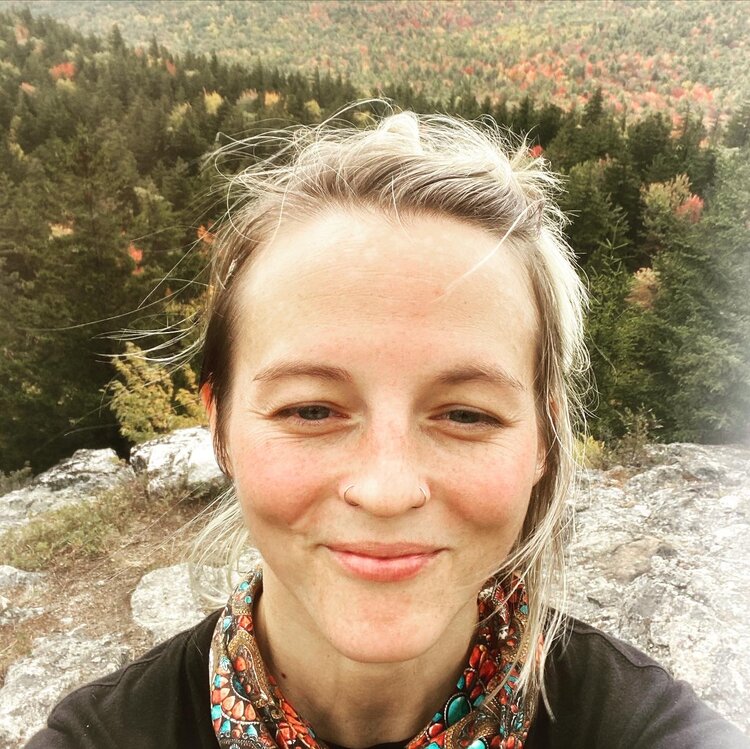
Photo of woman in front of mountains

Tindall is a Master’s of Science in the Department of Land Resources and Environmental Sciences at Montana State University. Her graduate advisers are Drs. Fabian Menalled and Tim Seipel. Her research focuses on the response of soil microbial communities to cropping systems and climate change in semiarid agriculture. 

I have been mentoring Tindall as a graduate committee member since she began in fall 2019, teaching her laboratory and analytical skills in microbial ecology, DNA sequencing, and bioinformatic analysis. We first met when she came to visit when I was working in Oregon, and since then have connected remotely. She has a flair for bioinformatics analysis, and a passion for sustainable agricultural development. She plans to defend her thesis in 2021, and then to further her career in sustainable agriculture in Montana.


Tindall Ouverson, Jed Eberly, Tim Seipel, Fabian D. Menalled, Suzanne L. Ishaq. 2021. Temporal soil bacterial community responses to cropping systems and crop identity in dryland agroecosystems of the Northern Great Plains.  Frontiers in Sustainable Food Systems.  Article. Invited submission to Plant Growth-Promoting Microorganisms for Sustainable Agricultural Production  special collection.

Abstract

Industrialized agriculture results in simplified landscapes where many of the regulatory ecosystem functions driven by soil biological and physicochemical characteristics have been hampered or replaced with intensive, synthetic inputs. To restore long-term agricultural sustainability and soil health, soil should function as both a resource and a complex ecosystem. In this study, we examined how cropping systems impact soil bacterial community diversity and composition, important indicators of soil ecosystem health. Soils from a representative cropping system in the semi-arid Northern Great Plains were collected in June and August of 2017 from the final phase of a five-year crop rotation managed either with chemical inputs and no-tillage, as a USDA-certified organic tillage system, or as a USDA-certified organic sheep grazing system with reduced tillage intensity. DNA was extracted and sequenced for bacteria community analysis via 16S rRNA gene sequencing. Bacterial richness and diversity decreased in all farming systems from June to August and was lowest in the chemical no-tillage system, while evenness increased over the sampling period. Crop species identity did not affect bacterial richness, diversity, or evenness. Conventional no-till, organic tilled, and organic grazed management systems resulted in dissimilar microbial communities. Overall, cropping systems and seasonal changes had a greater effect on microbial community structure and diversity than crop identity. Future research should assess how the rhizobiome responds to the specific phases of a crop rotation, as differences in bulk soil microbial communities by crop identity were not detectable.

Watch the Microbes and Social Equity seminar from Feb 24th

The human microbiome and cancer risk: setting the stage for innovative studies to address cancer disparities 

Dr. D. Armen Byrd, MPH, PhD

February 24, 2021, 12:00 – 13:00 EST. 

Watch the recording.

About the speaker: Dr. Byrd received a B.S. in biology and an M.P.H. in epidemiology from the University of Florida. She completed her Ph.D. in epidemiology at Emory University, where her dissertation research focused on the development and validation of novel, inflammation biomarker panel-weighted dietary and lifestyle inflammation scores, and their associations with colorectal neoplasms. In January 2019, she joined the National Cancer Institute Division of Cancer Epidemiology and Genetics as a postdoctoral fellow. During her time there, she conducted methodologic microbiota studies and investigated associations of the microbiota with cancer risk and of diet with the gut metabolome. In January 2021, she joined Moffitt Cancer Center as an Assistant Member in the Department of Cancer Epidemiology, where she will continue to contribute to the reduction of cancer disparities using an integrative, interdisciplinary approach to study microbiota-mediated mechanisms for cancer risk among diverse populations.  

Twitter: @d_armen_byrd 

About the seminar: This seminar will focus on current understanding and future directions for targeting health disparities with gastrointestinal microbiota research using a multidimensional framework. Examples will be provided from the colorectal and breast cancer literature. 

About the series: Microorganisms are critical to many aspects of biological life, including human health.  The human body is a veritable universe for microorganisms: some pass through but once, some are frequent tourists, and some spend their entire existence in the confines of our body tissues.  The collective microbial community, our microbiome, can be impacted by the details of our lifestyle, including diet, hygiene, health status, and more, but many are driven by social, economic, medical, or political constraints that restrict available choices that may impact our health.   

Access to resources is the basis for creating and resolving social equity—access to healthcare, healthy foods, a suitable living environment, and to beneficial microorganisms, but also access to personal and occupational protection to avoid exposure to infectious disease. This speaker series explores the way that microbes connect public policy, social disparities, and human health, as well as the ongoing research, education, policy, and innovation in this field.  The spring speaker series will pave the way for a symposium on “Microbes, Social Equity, and Rural Health” in summer 2021.

A clock with wings flying in the air, with another one in the background out of focus. The background is a blurry tan.

Reflecting on “suggested deadlines” for assignments

Over the Fall 2020 semester, I changed my assignment deadline policy, creating “suggested deadlines” instead of enforced ones. I altered the language to “suggested deadline” in my syllabus semester timeline (in which I provide due dates for all assignments), I left submission portals open in the online teaching software, and I did not manually penalize grades for lateness. I made the change out of practicality for the fall semester, and I was personally pleased by the results; however, I wanted to hear from students. After being able to formally obtain student feedback during course evaluations, I wanted to reflect on that change and how I will implement it in future courses.

Previously, when grading policies were up to me, I accepted late assignments with a possible -10% grade penalty reduction per day, although I would waive it for a variety of circumstances. It was easy to enforce using online teaching software which timestamped submissions. This policy seemed to motivate some students, but in retrospect, it made students feel like they had to share their reasons for lateness and justify why they needed an extension. Not only did this late assignment policy increase the number of emails I received and time spent replying that yes, I would still accept it, but it also meant that students were sharing more personal information with me. I suspect that students who did not ask for deadline extensions probably had a reason but didn’t want to share than information in asking for an extension, and really, it is none of my business what else is going on in their life.

However, I made the decision to allow any assignments to be turned in after the due date without a penalty, in part because the pandemic shifted the amount and type of work most students were doing. Many of them reported an increased workload, having to attend remote classes in their car, trouble with internet access with so many other users on their network, and of course, power and internet outages are common in Maine when trees topple utility lines. If I had enforced assignment deadlines, then a third to a half of my students were in danger of failing the course because of lack of work, but not because of poor quality of work. This was unreasonable to me, especially in my undergraduate research course where I would be effectively be penalizing students for delays caused by their research mentors or haled research on campus.

So, I made the decision to trust my students to manage their own motivations and time management. After all, they are legal adults, they are not first years, and they have chosen to continue their education despite the financial burden and other constraints. More than that, almost all of my graded assignments with significant weight in the class are essay based, which means I can get a feel for the students’ writing voice and it is really easy to identify plagiarism by the change in tone or maturity of the writing. If being able to turn in an assignment late meant students’ could copy each other’s assignments, I should be able to catch it even without the online plagiarism checking software.

I was concerned that I would receive all the assignments on the very last day, and was dreading the avalanche of grading that would unleash on me. Instead, assignments trickled in on a regular basis, several hours to several months late depending on the students’ circumstances, some of which were later disclosed to me. Instead of getting sloppy, thrown-together assignments, I think the quality of writing and the depth of student critical thinking were improved. Students later reported being able to spend more time on the assignment when they had control over when that time could be spent. And, despite having the most students in the most difficult semester to get through, I discovered no instances of plagiarism.

I think I will make the move to suggested deadlines semi-permanent (some deadlines will be enforced based on if it is time-sensitive). The online teaching software I use can be set to assign a 0 to missing assignments, to email me when submissions are received, and to add conditions to submission portals, such as having first submitted another assignment or having received feedback on a previous assignment (like a previous draft of a paper). I can schedule automatic email reminders about assignments, email only students who are missing assignments, and students can check their grades and assignment lists online at any time. Not only does this dramatically reduce the time I spend chasing after assignments, but it gives students more agency in being able to participate in the class on their own time.

Certainly not every class can be structured this way or allow for flexible deadlines. But, I think a lot of them could be, and I think in most cases it would improve student engagement and learning outcomes. Below, you can find the comments on my two fall course evaluations, and you can check out my previous posts on curricula development or my teaching statements.


For much of the fall semester, assignment deadlines were open ended. Do you think keeping open ended deadlines (as in, you turn in things when they are ready but [not] on a specific date) next year would make this class better? Do you think you would be able to keep up with assignments without deadlines? Or do you think the deadlines help keep you on track?

My question from the course evaluations for this fall

Comments

  • I think the soft deadlines kept me in check, however it’s nice to know that if things unexpectedly get crazy for me that I won’t be penalized for taking extra time to make sure that I submit quality work.
  • I very much appreciated the flexibility in deadlines for this class as many other classes ramp up at the end of the semester. I felt as though I could control my workload with the assignments set up like this, and would recommend keeping the deadlines as suggestions to where you should be up to date in the course, but the actual submission deadline remains later in the semester.
  • You could do once a month check ins or something to verify nobody is completely slacking off. Maybe have three major deadlines to force people to keep up – one at the end of October, end of November and then the final submission?
  • The deadlines really helped keep me on track. Dr. Sue Ishaq was more than lenient with due dates and the work load, so I do not think anyone would have an excuse to not do well in this course (although this was really helpful with the troubling times humanity is facing). I think being more strict would be more fair to her as a professor and would help students not take advantage of being able to put things off and not learn the material.
  • I think the open ended deadlines was really helpful. It allowed me to put the time in when I could rather than rushing to get it done and turned in for the due date.
  • I appreciated having the due dates so I could try to get stuff in at a reasonable time but also that the deadlines were flexible so if something came up I wouldn’t turn in something I wasn’t happy with. I had a different class with no deadlines and it was horrible, I need the structure to be there but to also have the leniency for when things aren’t going well.
  • In this new quarantined world, the open deadlines were essential to academic success. While I didn’t struggle in this class necessarily, I did struggle in chemistry, pre calculus and lab with out the aid of study groups, math labs, and lab partners. Having open dead lines in this course not only affected my academic success in this course, but it also snow balled in a positive way and helped my GPA overall.
  • I think open ended deadlines with a suggested deadline would be the most helpful, because it will reduce the stress of deadlines, and allow for leeway in the case of multiple courses having work do on the same day, but it also gives a time frame around when the work should be done
  • The lack of deadlines required self–discipline but also removed the daunting aspect of the due date, which I often find myself deterred by and ultimately more likely to put off the work. I felt that the assignments were more inviting this way.
  • I think that this semester it was very beneficial to have the open ended deadlines. For me personally, I prefer to have deadlines to keep me on track, but I appreciate the flexibility of the open–ended deadlines.
  • I think having the open ended, suggestive deadlines made for a much easier semester. It took off a lot of stress to know that I could have an extra day if needed. Sometimes we get peaks in the semester where we’re slammed with work and knowing that if I needed an extra day or two to complete an assignment was really reassuring.
  • Thank you for being understanding on deadlines as this semester has been crazy, although the soft deadlines kept me on track without penalizing me for taking extra time if needed.
  • I think ended open deadlines do help due to things become crazier as the whole covid thing continues
  • I feel that open ended deadlines next year would make this class better because due to recent events in the world it is sometimes difficult communicating with project mentors. By having open ended deadlines, I know when it is supposed to be due, but if I am missing some information from someone on the project I do not worry as much about getting in trouble for handing it in late.
  • yes this is hard to juggle long term projects with weekly class deadlines. So open ended is the best for this class.
  • I believe the structure of fall semester deadlines was great.
  • I feel like open ended deadlines are very helpful because you would be able create better quality work with your research. I feel like I would be about to keep up with work without deadlines or just create the deadline for the end of the semester and put reminders.
  • I think a more strict set of deadlines could’ve been helpful as far as tracking progress. Exceptions could still be made for those struggling on a topic, or who are unable to start for some reason out of their control.
  • This semester, while everyone has been adjusting to the new way of pandemic life, the open ended deadlines were extremely helpful and stress relieving.
  • yes I think there should be soft deadlines, there is a date that it should be done but we didn’t have to have it done by then
  • Having a general guideline about when things should be turned in has been helpful, but keeping the deadlines open ended has relieved a lot of stress and has enabled me to produce better work because I was not rushed.
  • The deadlines kept me on track and having no deadlines would have me just turn everything in at the end which is bad.
  • I liked the deadlines. I would have kept all the work till the last minute if we didn’t. However, the open ended deadlines meant that even if you were behind, you wouldn’t be penalized which really helped.
  • I think open ended deadlines are a great idea because it allowed me to not feel pressured to submit something that I did not feel was ready. Without that stress, I was able to submit all of my assignments on time with the open ended deadline and not during the later one, which was helpful!

Featured Image Credit