Rescheduled to May 5: Microbes and Social Equity seminar “Integrating Equity into Emerging Infectious Disease Research”

Integrating Equity into Emerging Infectious Disease Research

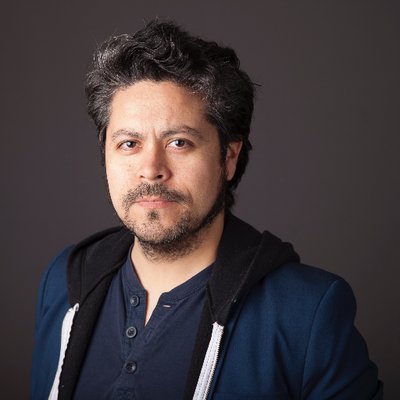
Dr. Kishana Taylor, MS, PhD

Moved to May 5, 2021, 12:00 – 13:00 EST.

Register here. If you were previously registered, your registration link is still good!

In the mean time, please enjoy the MSE Speaker Greatest Hits.

About the speaker:  Dr. Kishana Taylor is a virologist and Co-founder and president of the Black Microbiologists Association. Dr. Taylor holds a bachelors degree in animal science, a masters of public health microbiology and emerging infectious disease and a doctorate in interdisciplinary biomedical science.  Dr. Taylor is currently a postdoctoral fellow at Carnegie Mellon University in the lab of Dr. Elizabeth Wayne. Her current NSF funded research focuses on the role of monocytes and macrophages in SARS-CoV2 infection and subsequent development of COVID-19.  Dr. Taylors research interest include arboviruses, zoonotic viruses and their epidemiology, ecology and evolution. 

Twitter: @KYT_ThatsME

About the seminar: Much like previous pandemics, the COVID-19/SARS-CoV-2 pandemic, especially in the U.S., has brought to the forefront pre-existing social and structural inequalities that affect access to quality healthcare and perpetuate viral spread. As we begin to think toward the future and the next inevitable pandemic, it is important to incorporate the lessons learned from this pandemic, and others, in an attempt to mitigate similar patterns of inequity in the future.

About the series: Microorganisms are critical to many aspects of biological life, including human health.  The human body is a veritable universe for microorganisms: some pass through but once, some are frequent tourists, and some spend their entire existence in the confines of our body tissues.  The collective microbial community, our microbiome, can be impacted by the details of our lifestyle, including diet, hygiene, health status, and more, but many are driven by social, economic, medical, or political constraints that restrict available choices that may impact our health.   

Access to resources is the basis for creating and resolving social equity—access to healthcare, healthy foods, a suitable living environment, and to beneficial microorganisms, but also access to personal and occupational protection to avoid exposure to infectious disease. This speaker series explores the way that microbes connect public policy, social disparities, and human health, as well as the ongoing research, education, policy, and innovation in this field.  The spring speaker series will pave the way for a symposium on “Microbes, Social Equity, and Rural Health” in summer 2021.

A brief history of the brief history of academic tenure

If you are in academia, you probably hear the word “tenure” at least once a week. It seems like an entrenched policy, but you might be surprised at how relatively new this feature is. When I speak to people outside of academia, usually people are surprised to hear that I am facing yet another hurdle even after I got a faculty job. I thought I would summarize tenure, but will mostly point to other resources which reflect on this in more detail. I’m focusing on US higher education as I’m most familiar with those nuances, though higher education in other countries and/or research institutions around the globe also use tenure.

Tenure is a permanent and guaranteed contract (in academia). While it was initially used as early as the 1600s, it wasn’t until the 1900s with missives from the Committee on Academic Freedom and Academic Tenure of the American Association of University Professors that formal policies and legislation began to pop up. The impetus behind tenure is to support academic freedom: to protect researchers from being fired for political or social retaliation, or because their work is less exciting than other topics. The pursuit of knowledge is inherently tied to social and political contexts, and certain topics are considered unimportant by people who don’t work in that field, but research directions should not be determined by opinions.

Once conferred by an institution, tenure can only be terminated for financial or legal malfeasance, or the dissolution of the academic/research program, and can supersede retirement age policies. In some encouraging cases more recently, the tenure was terminated for reasons of patterns of sexual misconduct and perpetuating a hostile work environment.

You must apply for tenure at your institution via an arduous, multi-year process, in which you essentially apply for the job you already have but forever. Not all positions are eligible, and those which are are labelled as “tenure-track”. Once you are hired, your tenure clock begins, with a few checkpoints along the way that vary based on institution and department. You will always have a 3 – 6 member peer-review committee (formally called the Promotion and Tenure Committee), made up of tenured faculty from your department/school who are qualified to assess your work. Committee members are elected to serve in 1 – 3 year shifts by the department. They are supposed to guide you, offer mentorship, and provide feedback. Ideally, you meet with your peer committee annually along your track to improve your tenure application over several years.

There are two major checkpoints, your third year review, and your tenure application review. The third year review is when the peer-review feedback carries more weight. If there is something your committee wants you to correct, you’ll only have a few years to ameliorate it before you formally apply. Most tenure-track positions allow up to 7 years to formally apply for tenure, although this varies and clinical research positions usually have longer. The common time to apply is five to six years after you begin your position, but you may apply sooner (depending on institution deadlines) if you meet the requirements, or “pause your clock” during parental, medical, or other approved care leave.

Your tenure packet is a giant application with reflections on your teaching, research, ability to obtain funding, outreach, and impact in your field. You need to solicit letters of support, but also have reviews from people in your field that you have no ties to. Your application is reviewed by many layers of oversight, which can include but are not limited to: your peer review committee, your department chair, your college/school dean, the provost, and the university president. Each layer of review needs to agree that you should be awarded tenure. For most assistant professors, you are assessed for promotion to associate professor at the same time, but you can be awarded tenure without being awarded a promotion (you’ll meet the peer committee every few years over your career to go apply for promotions or merit adjustments to your contract).

You can apply multiple times, but there is a significant risk associated with it after you have been denied somewhere in the chain at your institution. Typically when you apply in your fifth or six year you can only re-apply once, or challenge a denial once. Denial of tenure can occur because of poor performance, or perceived poor performance if you did not present yourself clearly, but there are also instances of outright discrimination. While your teaching evaluations and record are evaluated, it’s really your research record which counts (including papers published, citations, and grant funding received). In all cases, it can be demoralizing, traumatizing, incredibly disruptive to your career and success, and is costly – the institution put enormous amounts of time, money, and support into tenure-track faculty, and it is immensely more expensive to deny tenure and lose someone than it is to make sure they are actually getting the support and mentorship they need. However, it is not necessarily the end of the road for researchers.

Tenure policies are hotly contested, and many opponents cite that tenure promotes “laziness” despite the demonstrably long hours of faculty and the fact that many of us aren’t necessarily paid for our work during the summer. Faculty on 9-month contracts must obtain funding for their summer salary for research, and if funding sources are tight, you essentially have to work for free to still be productive enough to be deemed worthy of funding in the future. Notably, there is a very distinct relevance to the career level of the tenured person in these pro/con tenure arguments: tenure-track is seen as extremely beneficial in protecting early and mid-career faculty, but protective of unproductive faculty, particularly at or past the age of retirement. Thus, there are many examples of suggested alternative practices which offer protection alongside time limits.

Tenure is not just about offering protection for academic freedom, it also provides a structure for success in research and education. In the past few decades, there has been a dramatic reduction in the number of tenure-track faculty in the US (only ~25% of faculty positions are currently tenure-track), despite the growth of student populations. Instead, this burden has been shouldered by an increase in short-term contracts, because tenured faculty are costly and adjuncts can be dismissed at any time. However, this trend is based purely on cost-savings for institutions, as it can be extremely disruptive to student education because inadequate contracts force adjuncts to work multiple jobs and undercuts their ability to interact with students. And, it can dramatically reduce the quality of life and quality of employment in academia.

Reducing tenured positions also hampers scientific progress and short-contract researchers. Funders can be less willing to reward funding to researchers without a secure job contract. Most importantly, though, it can take years to build the momentum to conduct thorough and cutting-edge research, and long-term contracts allow for better research, and more lab employees trained. Having had to pivot between a series of short-term contracts which ended sooner than expected, I often wonder if the quality and depth of my research would have been dramatically better if I had had a longer-term contract anywhere prior to my position as an assistant professor.

Watch the Microbes and Social Equity seminar from Mar 24th

Embodied microbiomes: a 4E-cognition perspective on microbial life and social equity 

Dr. Francisco Parada Flores, PhD

March 24, 2021, 12:00 – 13:00 EST. 

Watch the recording.

About the speaker: After studying Psychology and Neuroscience in Chile, I moved to the USA to pursue my Ph.D. in Cognitive Psychology and Neural Sciences at the Department of Psychological & Brain Sciences, Indiana University-Bloomington. During this period I was able to work on neural signal processing, brain networks, and embodiment within the context of social cognition. After continuing my development through postdoctoral work at the Department of Psychiatry at Harvard Medical School I came back to Chile as a tenured professor of Psychology at Universidad Diego Portales (UDP). At UDP I funded the Center for Human Neuroscience & Neuropsychology (CEHNN), a multi-PI research center and day clinic for brain lesion survivors dedicated to the development of the transdisciplinary 4E cognition research program. 

Twitter: @fj_parada

https://www.researchgate.net/profile/Francisco_J_Parada

About the seminar: TBD

About the series: Microorganisms are critical to many aspects of biological life, including human health.  The human body is a veritable universe for microorganisms: some pass through but once, some are frequent tourists, and some spend their entire existence in the confines of our body tissues.  The collective microbial community, our microbiome, can be impacted by the details of our lifestyle, including diet, hygiene, health status, and more, but many are driven by social, economic, medical, or political constraints that restrict available choices that may impact our health.   

Access to resources is the basis for creating and resolving social equity—access to healthcare, healthy foods, a suitable living environment, and to beneficial microorganisms, but also access to personal and occupational protection to avoid exposure to infectious disease. This speaker series explores the way that microbes connect public policy, social disparities, and human health, as well as the ongoing research, education, policy, and innovation in this field.  The spring speaker series will pave the way for a symposium on “Microbes, Social Equity, and Rural Health” in summer 2021.

Save the date for the Microbes and Social Equity symposium!

Sign up for updates!!

We are in the processing of finalizing our speaker list and program, as well as creating registration links. Stay tuned for more information.

In the meantime, please enjoy our free speaker series!

Applications still open for Assistant Extension of Professor / Assistant Professor of Animal Science at the University of Maine

The University of Maine Cooperative Extension invites applications for a full-time, fiscal-year, continuing contract eligible faculty appointment as Assistant Extension Professor and Assistant Professor of Animal Science. 

This position is an 85% appointment with UMaine Extension and a 15% teaching appointment through the University of Maine School of Food and Agriculture.

The successful candidate will be located on the campus of the University of Maine in Orono, Maine.

The faculty member in this position will develop and lead educational outreach and applied research with an emphasis on dairy science; work with other UMaine faculty and professionals, advisory boards and volunteers to offer off-campus programs addressing the educational needs of the Maine dairy industry and other agricultural industries; teach undergraduate courses in the School of Food and Agriculture (SFA).

For a complete job description and to apply: https://umaine.hiretouch.com/job-details?jobid=66728

Search Timeline is as follows:
Review of applications to begin: April 15, 2021
Screening interviews to begin no earlier than: April 30, 2021
On-site (or virtual visit) interviews to begin no earlier than: May 15, 2021
Tentative start date: July 1, 2021

Six more rockstar science presentations left in the Microbes and Social Equity speaker series!

The Microbes and Social Equity speaker series has hosted some excellent talks on health, ecosystem health, microbes, social policy, and education. All the talks have been recorded, and are available for free, on demand! You can find the links to each video under each speaker’s profile on the main series page.


Embodied microbiomes: a 4E-cognition perspective on microbial life and social equity 

Dr. Francisco Parada Flores, PhD

March 24, 2021, 12:00 – 13:00 EST. Register here.

About the speaker: After studying Psychology and Neuroscience in Chile, I moved to the USA to pursue my Ph.D. in Cognitive Psychology and Neural Sciences at the Department of Psychological & Brain Sciences, Indiana University-Bloomington. During this period I was able to work on neural signal processing, brain networks, and embodiment within the context of social cognition. After continuing my development through postdoctoral work at the Department of Psychiatry at Harvard Medical School I came back to Chile as a tenured professor of Psychology at Universidad Diego Portales (UDP). At UDP I funded the Center for Human Neuroscience & Neuropsychology (CEHNN), a multi-PI research center and day clinic for brain lesion survivors dedicated to the development of the transdisciplinary 4E cognition research program. 

Twitter: @fj_parada

https://www.researchgate.net/profile/Francisco_J_Parada


Integrating Equity into Emerging Infectious Disease Research 

Dr. Kishana Taylor, MS, PhD

March 31, 2021, 12:00 – 13:00 EST. Register here.

About the speaker:  Dr. Kishana Taylor is a virologist and Co-founder and president of the Black Microbiologists Association. Dr. Taylor holds a bachelors degree in animal science, a masters of public health microbiology and emerging infectious disease and a doctorate in interdisciplinary biomedical science.  Dr. Taylor is currently a postdoctoral fellow at Carnegie Mellon University in the lab of Dr. Elizabeth Wayne. Her current NSF funded research focuses on the role of monocytes and macrophages in SARS-CoV2 infection and subsequent development of COVID-19.  Dr. Taylors research interest include arboviruses, zoonotic viruses and their epidemiology, ecology and evolution. 

Twitter: @KYT_ThatsME

https://kishanataylor.com/

About the seminar: Much like previous pandemics, the COVID-19/SARS-CoV-2 pandemic, especially in the U.S., has brought to the forefront pre-existing social and structural inequalities that affect access to quality healthcare and perpetuate viral spread. As we begin to think toward the future and the next inevitable pandemic, it is important to incorporate the lessons learned from this pandemic, and others, in an attempt to mitigate similar patterns of inequity in the future.


Social and ethical implications of human microbiome research.

Dr. Kieran O’Doherty, PhD

April 7, 2021, 12:00 – 13:00 EST. Register here.

About the speaker: Dr. Kieran C. O’Doherty is professor in the department of psychology at the University of Guelph, where he directs the Discourse, Science, Publics research Group. His research focuses on the social and ethical implications of science and technology. In this context, he has published on such topics as data governance, vaccines, human tissue biobanks, salmon genomics, and genetic testing. A particular emphasis of his research has been on the social and ethical aspects of human microbiome research. Kieran’s research also emphasizes public deliberation on science and technology. In this regard, he has designed and implemented deliberative forums in which members of the public engage in in-depth discussion about ethical aspects of science and technology and collectively develop recommendations for policy. Recent edited volumes include Psychological Studies of Science and Technology (2019) and The Sage Handbook of Applied Social Psychology (2019). Kieran’s research has been funded by the Canadian Institutes of Health Research, The Office of the Privacy Commissioner of Canada, the Ontario Ministry of Research & Innovation, Genome Canada and Genome British Columbia. He is editor of Theory & Psychology.

Lab website: https://dsp.uoguelph.ca

Twitter: Personal, @KieranODoherty; Lab, @dsp_lab

About the seminar: There are many social and ethical implications of human microbiome research. In this presentation, I will focus on 3 types of ethical implications. The first type are ethical considerations that should be taken into account when conducting research on the human microbiome. Key points here include issues relating to information privacy, ownership of samples and data, and the rights of Indigenous and other identifiable communities from whom microbiome samples might be obtained. The second type of ethical implications relates to the consequences of specific technologies and applications developed using microbiome science. Examples here include the consequences of strategic engineering of microbes and their use in human and animal populations. The third kind of ethical implications I will discuss relates to problems that are already present, but have only become visible, or perhaps just more obvious, as a result of knowledge generated by human microbiome research. An example here is damage to vaginal microbiomes that is caused by vaginal cleansing products promoted to women to feel “Clean & Fresh.” In this context, I argue that clinical applications of human microbiome science, while valuable, are too narrow when considering the damage that is being done our collective microbiomes as a society and a species. I conclude by reiterating calls for recognition of the microbiome as a common good and the need for stewardship of microbiomes.


Investigating social determinates of health and social equity among a homeless population; a United States-Veteran Microbiome Project  

LTC. Andrew J. Hoisington, Ph.D.

April 14, 2021, 12:00 – 13:00 EST. Register here.

About the speaker: Lieutenant Colonel Andrew Hoisington is currently an adjunct Associate Professor at the Air Force Institute of Technology as he serves on active duty Air Force rebuilding Tyndall AFB after hurricane Michael. Lt Col Hoisington received his PhD in 2013 from the University of Texas, studying the indoor microbiome. In 2015 he was one of four founding members of the Military and Veterans Microbiome Consortium for Research and Education, an organization to advance microbiome science and education to benefit military personnel, Veterans, and their families. 

Twitter: @MVM_CoRE Website: https://www.mirecc.va.gov/visn19/mvm/

About the seminar: In 2019, over half a million people in the United States did not have a place to call home. Research suggests that homeless individuals have higher rates of diet deficiencies, physical and mental health disorders (e.g., infectious diseases, depression), and inadequate health care when compared to those who are stably housed. From a social equity perspective, risk for homelessness is impacted by a range of social determinants including socioeconomic status and race/ethnicity. Here we present the results 16S rRNA and metagenomics analysis from a US Military Veterans who are currently or were previously homeless. To the best of our knowledge, these preliminary results are the first known study of the microbiome among those with a history of homelessness and will likely contribute to a better understanding of interactions among social determinates of health, social equity, the human microbiome, and human health. 


Physiological Implications of Pre-Existing Inflammatory Co-Morbidities when the Body is Introduced to Novel Infectious Processes   

Dr. Deborah Saber, PhD, RN, CCRN-K

April 21, 2021, 12:00 – 13:00 EST. Register here.

About the speaker: Dr. Saber is an Assistant Professor in the School of Nursing at the University of Maine where she teaches pathophysiological and critical care concepts to upper-level undergraduate nursing students. She also holds a joint position at Northern Light Eastern Maine Medical Center where she directs the program development for nursing research and evidence-based practice. As a practicing intensive care registered nurse (RN) with over 25 years of patient care nursing experience, she has cared for patients infected with multidrug-resistant organisms (e.g., methicillin-resistant Staphylococcus aureus (MRSA), vancomycin-resistant Enterococcus (VRE), multidrug-resistant tuberculosis) and diseases from outbreaks that include human immunodeficiency virus (HIV) and H1N1. Dr. Saber’s research focuses on microbial movement in the healthcare setting as this relates to the use personal protective equipment (PPE) and resulting solid waste.

umaine.edu/nursing/people/deborah-saber-ph-d-rn-ccrn-k/

About the seminar: This seminar will focus on findings from the literature that emphasize the vulnerability of populations with preexisting health conditions that impact their ability to defend against infectious diseases. We will discuss common co-morbid conditions, the role of the inflammatory processes in infectious processes, and how social inequity can predispose vulnerable populations to novel infectious processes.


Missing Microbes and Missing Out: microbes and social equity in the context of youth in detention.  

Dr. Ally Hunter, PhD. and Christina Bosch, M.A., M.Ed.

April 28, 2021, 12:00 – 13:00 EST. Register here.

Ally Hunter, PhD Science Education, MS Biology (Micro & Molecular)
Postdoctoral Fellow
Center for Youth Engagement
NSF Project RAISE (Reclaiming Access to Inquiry Science Education for Incarcerated Learners)
NSF Project INSITE (INtegrating STEM Into Transition Education for Incarcerated Youth)
University of Massachusetts, Amherst

https://www.umass.edu/education/people/ally-hunter

Christina Anderson Bosch
Doctoral Candidate at University of Massachusetts, Amherst 
M.A., Special Education: Learning Disabilities
M. Ed., Mind, Brain and Education
NSF Project RAISE (Reclaiming Access to Inquiry Science Education for Incarcerated Learners)

https://umass.academia.edu/ChristinaBosch

About the seminar: In the US, incarcerated youth are a population that are vulnerable to a variety of poor outcomes that include disrupted or incomplete education, unemployment, homelessness, health disparities, and incarceration as adults.  Through the lens of microbiome health we can envision additional poor outcomes for incarcerated youth: loss of access to nutrition and diet education, loss of access to diets that support microbiome health, loss of access to beneficial microbes, and over-exposure to harmful microbes.  

This presentation will discuss the potential for microbial inequity for incarcerate youth and highlight current educational responses that could serve to mitigate some of these disparities.

Using our experiences as educational researchers and curriculum developers on STEM education initiatives for incarcerated youth, we will present background information on this particularly vulnerable population.  We will discuss our work on developing biology curriculum for juvenile justice settings and where we see a need for further development of microbiology, nutrition and basic health curriculum.  Then, we will facilitate a group discussion to engage the scientific community with this understudied and underserved population in the context of microbial inequity.

Watch the Microbes and Social Equity seminar from Mar 17th

Teaching with microbes: Biopolitical lessons from fermentation.

Dr. Megan Carney

March 17, 2021, 12:00 – 13:00 EST. 

Watch the recorded talk.

About the speaker: Megan A. Carney is a sociocultural and medical anthropologist with specializations in migration and health, food insecurity, and the politics of care. She is Assistant an Professor of Anthropology and Director of the Center for Regional Food Studies at the University of Arizona.

She is the author of two books, the award-winning “The Unending Hunger: Tracing Women and Food Insecurity Across Borders” (2015, University of California Press) and “Island of Hope: Migration and Solidarity in the Mediterranean” (forthcoming, University of California Press). She is the recent recipient of a Fulbright Schuman Faculty Award and was previously a Public Voices Fellow with The OpEd Project. Some of her public writing has appeared in Civil EatsScientific AmericanThe HillSapiens, and The Conversation

https://anthropology.arizona.edu/user/megan-carney-sabbatical-spring-2021

Twitter: @megan_a_carney

About the seminar: For the past several years and with emerging research on microbiomes, social scientists and humanities scholars have increasingly turned to microbes as “good to think with” in examining the intersections between human health and the environment. The Covid-19 pandemic has both amplified much of this transdisciplinary interest in microbial life and human microbiomes, and sparked new questions about the (micro)biopolitics shaping uneven health outcomes across the human life course. This talk reflects on using fermentation as a pedagogical tool for understanding the historical conditions and contemporary social and institutional arrangements that affect microbial distribution and exposure. 

About the series: Microorganisms are critical to many aspects of biological life, including human health.  The human body is a veritable universe for microorganisms: some pass through but once, some are frequent tourists, and some spend their entire existence in the confines of our body tissues.  The collective microbial community, our microbiome, can be impacted by the details of our lifestyle, including diet, hygiene, health status, and more, but many are driven by social, economic, medical, or political constraints that restrict available choices that may impact our health.   

Access to resources is the basis for creating and resolving social equity—access to healthcare, healthy foods, a suitable living environment, and to beneficial microorganisms, but also access to personal and occupational protection to avoid exposure to infectious disease. This speaker series explores the way that microbes connect public policy, social disparities, and human health, as well as the ongoing research, education, policy, and innovation in this field.  The spring speaker series will pave the way for a symposium on “Microbes, Social Equity, and Rural Health” in summer 2021.

A study I contributed to was published!

A study was recently published, led by Dr. Huawei Zeng, USDA Animal Research Station, on gut health, nutrition, and gut microbiota! I contributed analysis and interpretation for the gut community data, and though I appear as last author on this publication, it is truly because I contributed the least and not because I was administrative lead or the lead PI. I have worked with Dr. Zeng for several years, although we have never met in person,

Dr. Zeng’s presentation of this project can be found here: Adequacy of calcium and vitamin D enriches probiotic bacteria and reduces dysbiotic Parasutterela bacteria and inflammation in the colon of C57BL/6 mice fed a Western-style diet


Zeng, H., Safratowich, B.D., Liu, Z., Bukowski, , M.R., Ishaq, S.L. 2021. Adequacy of calcium and vitamin D reduces inflammation, β-catenin signaling, and dysbiotic Parasutterella bacteria in the colon of C57BL/6 mice fed a Western-style diet. Journal of Nutritional Biochemistry. In press.

Abstract

Adoption of an obesogenic diet low in calcium and vitamin D (CaD) leads to increased obesity, colonic inflammation, and cancer. However, the underlying mechanisms remain to be elucidated. We tested the hypothesis that CaD supplementation (from inadequacy to adequacy) may reduce colonic inflammation, oncogenic signaling, and dysbiosis in the colon of C57BL/6 mice fed a Western diet. Male C57/BL6 mice (4-week old) were assigned to 3 dietary groups for 36 weeks: (1) AIN76A as a control diet (AIN); (2) a defined rodent “new Western diet” (NWD); or (3) NWD with CaD supplementation (NWD/CaD). Compared to the AIN, mice receiving the NWD or NWD/CaD exhibited more than 0.2-fold increase in the levels of plasma leptin, tumor necrosis factor α (TNF-α) and body weight. The levels of plasma interleukin 6 (IL-6), inflammatory cell infiltration, and β-catenin/Ki67 protein (oncogenic signaling) were increased more than 0.8-fold in the NWD (but not NWD/CaD) group compared to the AIN group. Consistent with the inflammatory phenotype, colonic secondary bile acid (BA, inflammatory bacterial metabolite) levels increased more than 0.4-fold in the NWD group compared to the NWD/CaD and AIN groups. Furthermore, the abundance of colonic Proteobacteria (e.g., Parasutterela), considered signatures of dysbiosis, was increased more than 4-fold; and the α diversity of colonic bacterial species, indicative of health, was decreased by 30% in the NWD group compared to the AIN and NWD/CaD groups. Collectively, CaD adequacy reduces colonic inflammation, β-catenin oncogenic signaling, secondary BAs, and bacterial dysbiosis in mice fed with a Western diet.


This is part of a multi-year collaboration, with previous publications:

  • Zeng, H., Ishaq, S.L., Liu, Z., Bukowski, M.R. 2017. Colonic aberrant crypt formation accompanies an increase of opportunistic pathogenic bacteria in C57BL/6 mice fed a high-fat diet. Journal of Nutritional Biochemistry 54:18-27. Impact 4.418. Article.
  • Zeng, H., Ishaq, S.L., Zhao, F-Q., Wright, A-D.G. 2016. Colonic inflammation accompanies an increase of b-catenin signaling Lachnospiraceae/Streptococcaceae in the hind-gut of high-fat diet-fed mice. Journal of Nutritional Biochemistry 25:30-36. Impact 4.518. Article

I’ve joined the Editorial Board at mSystems!

I’m delighted to announce that I have been appointed to a 3 year term as an Editor at mSystems, an open-access scientific journal published by the American Society for Microbiology! mSystems is focused on cutting edge research related to microbial ecology, and hosts leading authors, editors, and reviewers in this field.

As an Editor, I will help foster scientific manuscripts through the review process. This will involve checking through the manuscript and making sure it is a good fit for the journal and in reasonable shape, before contacting active researchers working on related topics to perform a single-blind review (the review knows who the authors are but the authors don’t know who the reviewers are during the process). Once the reviewers have supplied their comments and recommendation, I synthesize these and make a decision about whether to invite the authors to submit a revised version or pass on the manuscript. Editors are critical for making sure someone qualifies reviews the work, and that reviews are balanced out by expertise and perspective. I’m pleased to be able to contribute to the advancement of scientific research in this way, and particularly at a journal that supports open sharing of information.

mSystems® publishes preeminent work that stems from applying technologies for high-throughput analyses to achieve insights into the metabolic and regulatory systems at the scale of both the single cell and microbial communities. The scope of mSystems encompasses all important biological and biochemical findings drawn from analyses of large data sets, as well as new computational approaches for deriving these insights. mSystems welcomes submissions from researchers who focus on the microbiome, genomics, metagenomics, transcriptomics, metabolomics, proteomics, glycomics, bioinformatics, and computational microbiology. mSystems provides streamlined decisions, while carrying on ASM’s tradition of rigorous peer review.”

About mSystems, https://msystems.asm.org/content/about-msystems