

“The Microbes and Social Equity Speaker Series 2022”
Spring 2022; Jan 19 – May 4, Wednesdays at 12:00 – 13:00 EST
Presented over Zoom. Registration is free, and required for each seminar.
Hosting Organization: MSE, including Sue Ishaq, Mustafa Saifuddin, Emily Wissel, Melissa Manus, and Francisco Parada; and the University of Maine Institute of Medicine
Summary:
Microorganisms are critical to many aspects of biological life, including human health. The human body is a veritable universe for microorganisms: some pass through but once, some are frequent tourists, and some spend their entire existence in the confines of our body tissues. The collective microbial community, our microbiome, can be impacted by the details of our lifestyle, including diet, hygiene, health status, and more, but many are driven by social, economic, medical, or political constraints that restrict available choices that may impact our health.
Access to resources is the basis for creating and resolving social equity—access to healthcare, healthy foods, a suitable living environment, and to beneficial microorganisms, but also access to personal and occupational protection to avoid exposure to infectious disease. This speaker series explores the way that microbes connect public policy, social disparities, and human health, as well as the ongoing research, education, policy, and innovation in this field. The spring speaker series will pave the way for a symposium on “Microbes, Social Equity, and Rural Health” in summer 2022.
The 2021 series can be found here.
The speaker list is under development, and we will provide details as we finalize our event.
“Diet, Microbial Metabolites, and Cancer Disparities”
Dr. Patricia Wolf, PhD, RD
February 9, 2022, 12:00 – 13:00 EST. Register for this free talk.

About the speaker: Dr. Wolf completed her PhD in Nutritional Sciences with a focus on microbial sulfur metabolism at the University of Illinois at Urbana-Champaign in December 2018. During her graduate training, she simultaneously completed the Didactic Program in Dietetics and became a Registered Dietitian Nutritionist. Since that time, she has been a postdoctoral fellow at the Cancer Education and Career Development Program NCI T32 at the University of Illinois at Chicago. Her research investigates microbial mechanisms of cancer health disparities related to inequitable food access and quality. To do so, she uses techniques in molecular microbiology and novel enzyme characterization to understand the metabolic capacity of the human gut microbiome. With her expertise in nutrition and dietetics, she then examines whether dietary intake shifts microbial ecology and function toward the formation of deleterious microbial metabolites contributing to cancer risk. Given that dietary behaviors are shaped by the social and structural environment, her future work will explore relationships between the neighborhood food environment and microbial metabolism in order to mitigate the inequitable burden of cancer in certain groups.
No talk scheduled February 16, 2022, 12:00 – 13:00 EST.
“20 important questions in microbial exposure and social equity + recent work on urban greenspace microbiomes”
Dr. Jake Robinson, PhD
Feb 23rd, 2022, 12:00 – 13:00 EST. Register for this free talk.
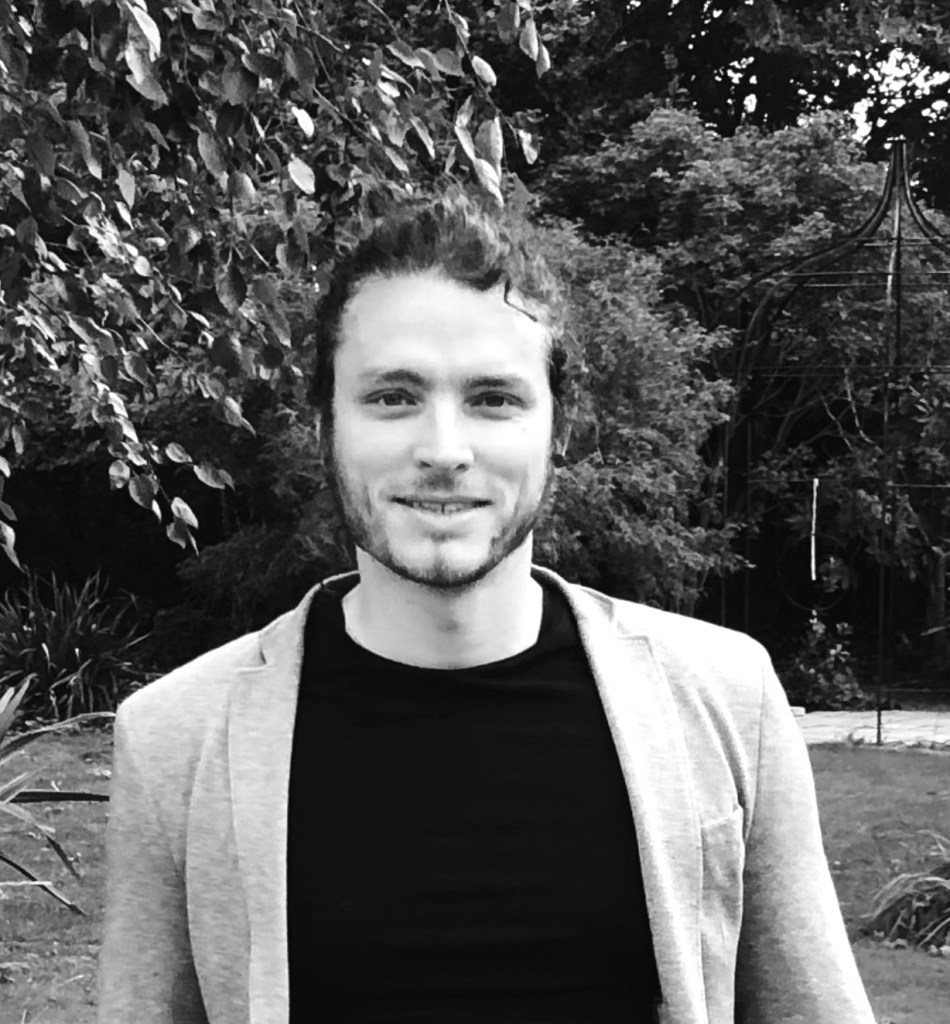
About the speaker: Dr. Jake Robinson is an ecologist and researcher. He recently completed a PhD at the University of Sheffield, UK. His academic interests lie at the intersection of microbial ecology, ecosystem restoration and social research. He will soon be publishing a book called Invisible Friends, which is all about our extraordinary relationship with microbes, and how they shape our lives and the world around us.
Title TBD, with a focus on epidemiology, environmental health, One Health, antibiotic resistance
Dr. Maya L. Nadimpalli, MS, PhD
March 2, 2022, 12:00 – 13:00 EST. Register for this free talk.
About the speaker: Dr. Maya L. Nadimpalli, MS, PhD is a Research Assistant Professor and a Tufts Clinical & Translational Science Institute (CTSI) a KL2 Scholar in the Department of Civil & Environmental Engineering at the Stuart B. Levy Center for Integrated Management of Antimicrobial Resistance (Levy CIMAR) at Tufts University.
“Chasing Ghosts: Race, Racism, and the Future of Microbiome Research”
Dr. Travis J. De Wolfe, PhD; Dr. Mohammed Rafi Arefin, PhD; Dr. Maria Rebolleda-Gomez, PhD; and Dr. Amber Benezra, PhD
March 9, 2022, 12:00 – 13:00 EST. Register for this free talk.
About the speakers: This special seminar will feature a collaborative talk from Dr. Travis J. De Wolfe, PhD; Dr. Mohammed Rafi Arefin, PhD; Dr. Maria Rebolleda-Gomez, PhD; and Dr. Amber Benezra, PhD. This team recently published a transformative piece, “Chasing Ghosts: Race, Racism, and the Future of Microbiome Research“, and will be each discuss aspects of that.
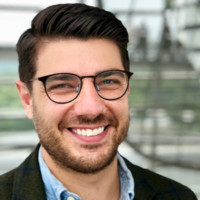
Travis J. De Wolfe
Department of Pediatrics, University of British Columbia, Vancouver, British Columbia, Canada
Travis J. De Wolfe is a Michael Smith Foundation for Health Research-funded Postdoctoral Fellow with the Department of Pediatrics at the University of British Columbia and BC Children’s Hospital. His research interests include Clostridioides difficile infection, colonization resistance, inflammatory bowel diseases, host-microbe interactions, and ecology of the gut microbiome.
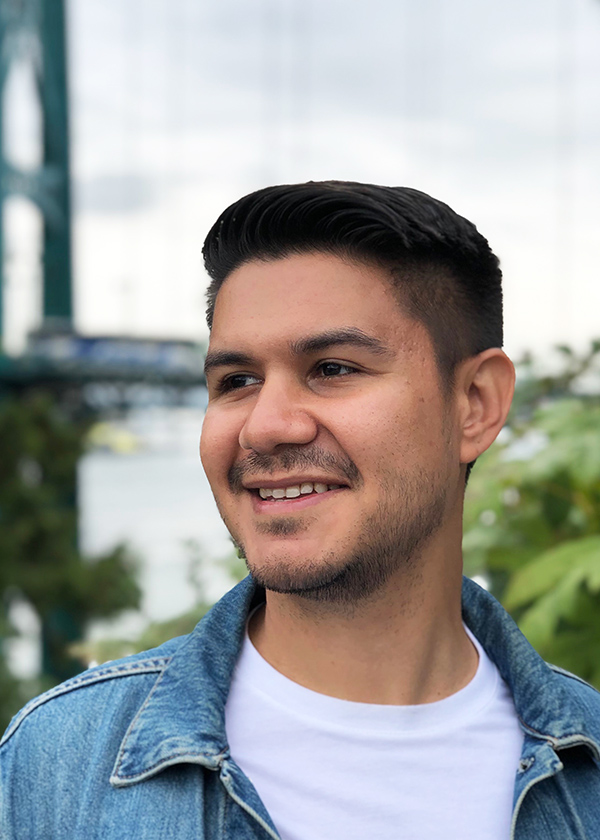
Mohammed Rafi Arefin
Department of Geography, University of British Columbia, Vancouver, British Columbia, Canada
Mohammed Rafi Arefin is an Assistant Professor in the Department of Geography at the University of British Columbia. His research and teaching are focused on urban environmental politics with a particular focus on sanitation, health, and environmental justice in the Middle East and North America.
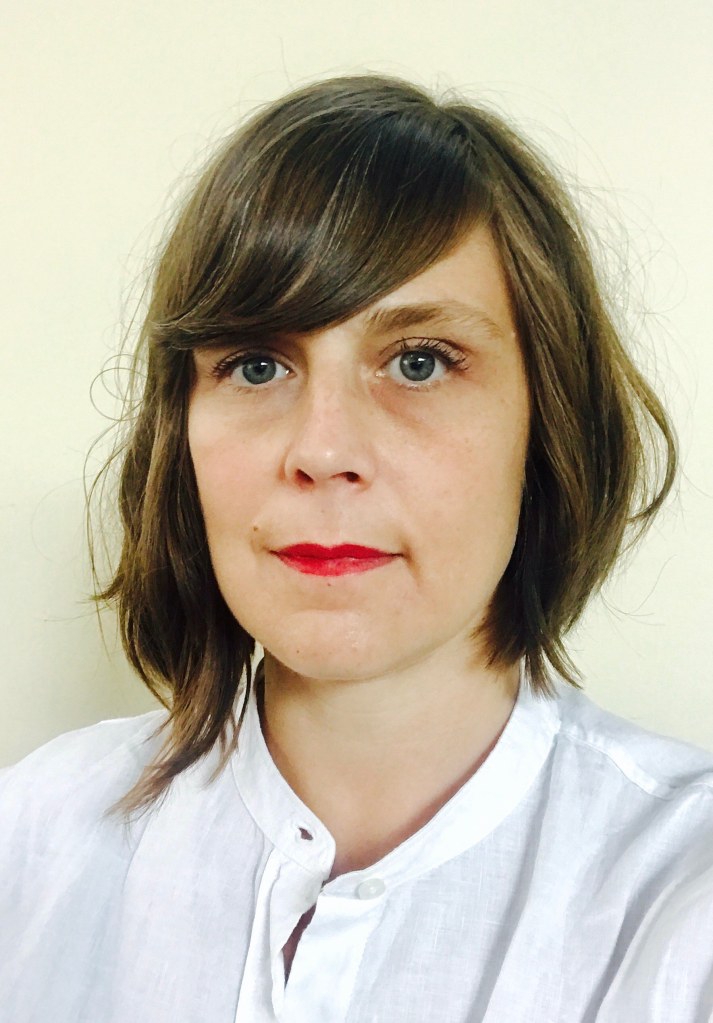
Amber Benezra
Department of Science and Technology Studies, Stevens Institute of Technology, Hoboken, New Jersey, USA
Amber Benezra is an Assistant Professor of Science and Technology Studies at Stevens Institute of Technology. She is a sociocultural anthropologist researching how studies of the human microbiome intersect with biomedical ethics, public health/technological infrastructures, and care. In partnership with human microbial ecologists, she is developing an “anthropology of microbes” to address global health problems across disciplines.
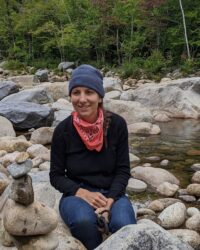
María Rebolleda Gómez
Department of Ecology & Evolutionary Biology, University of California Irvine, Irvine, California, USA
María Rebolleda Gómez is an Assistant Professor in the Department of Ecology and Evolutionary Biology at the University of California, Irvine. Her research explores ecological and evolutionary dynamics in model microbial communities. She is also interested in Environmental History, Philosophy, and History of Science. María was born in Mexico City.
Title TBD, with a focus gender, sexuality, and food systems
Dr. Gabriel N. Rosenberg, PhD
March 16, 2022, 12:00 – 13:00 EST. Register for this free talk.
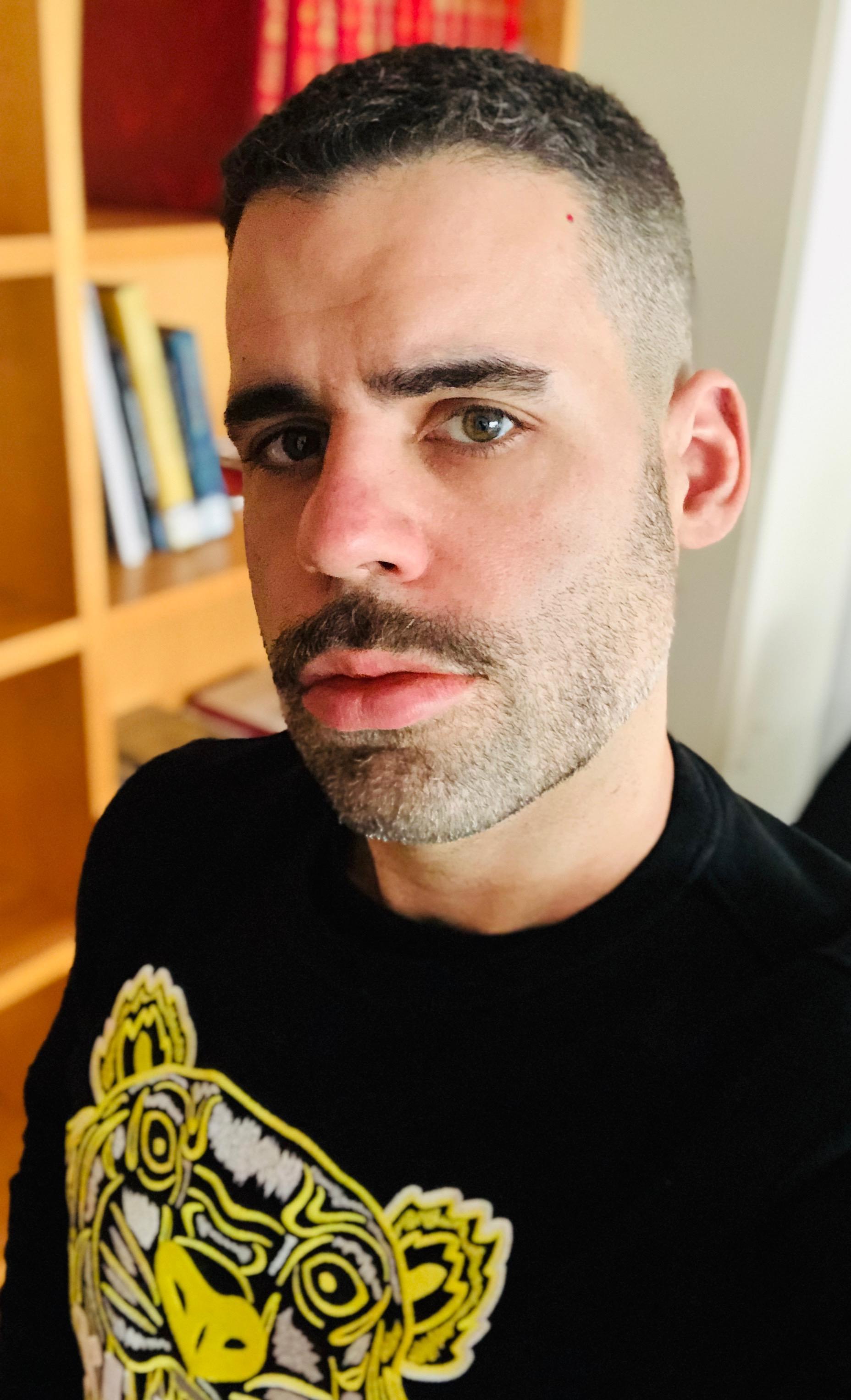
About the speaker: Dr. Gabriel N. Rosenberg, PhD is an Associate Professor of Gender, Sexuality, and Feminist Studies and History at Duke University. He is a food/agricultural researcher, and author of “On the scene of zoonotic intimacies jungle, market, pork plant”. From his faculty profile page, “Broadly, Gabriel Rosenberg’s research investigates the historical and contemporary linkages among gender, sexuality, and the global food system. In particular, he studies spaces of agricultural production as important sites for the constitution and governance of intimacy – intimacy both between and among humans, animals, and plants.”
Title TBD, with a focus on molecular epidemiology and antibiotic resistance
Dr. Douglas Call, PhD
March 30, 2022, 12:00 – 13:00 EST. Register for this free talk.
About the speaker: Dr. Douglas Call is a Regents Professor at the Paul G. Allen School for Global Health, in Molecular Epidemiology, and the Associate Director for Research and Graduate Education, at Washington State University.
“Decomposition as Life Politics”
Dr. Kristina Lyons, PhD
April 6, 2022, 12:00 – 13:00 EST. Register for this free talk.
About the speaker: Dr. Kristina Lyons is an Assistant Professor of Anthropology and with the Penn Program in Environmental Humanities at the University of Pennsylvania. She also holds affiliations with the Center for Experimental Ethnography and the Center for Latin American and Latinx Studies. Kristina’s current research is situated at the interfaces of socio-ecological conflicts, science, and legal studies in Colombia and Latin America. Her manuscript, Vital Decomposition: Soil Practitioners and Life Politics (Duke 2020), was awarded honorable mention by the Bryce Wood Book Award committee from the Latin American Studies Association. She has also collaborated on the creation of soundscapes, street performances, photographic essays, graphic novels, popular education audiovisual projects, community radio programs, digital storytelling platforms, and various forms of literary writing.
Talk summary: How does attention to and stewardship of soils point to alternative frameworks for living and dying? Dr. Lyons explores the way life strives to flourish in the face of violence, criminalization, and poisoning produced by militarized, growth-oriented development in the midst of the U.S.-Colombia war on drugs.
“Deconstructing the individual: how science can materially advance using queer and feminist theory“
Dr. Patricia Kaishian, PhD
April 13, 2022, 12:00 – 13:00 EST. Register for this free talk.
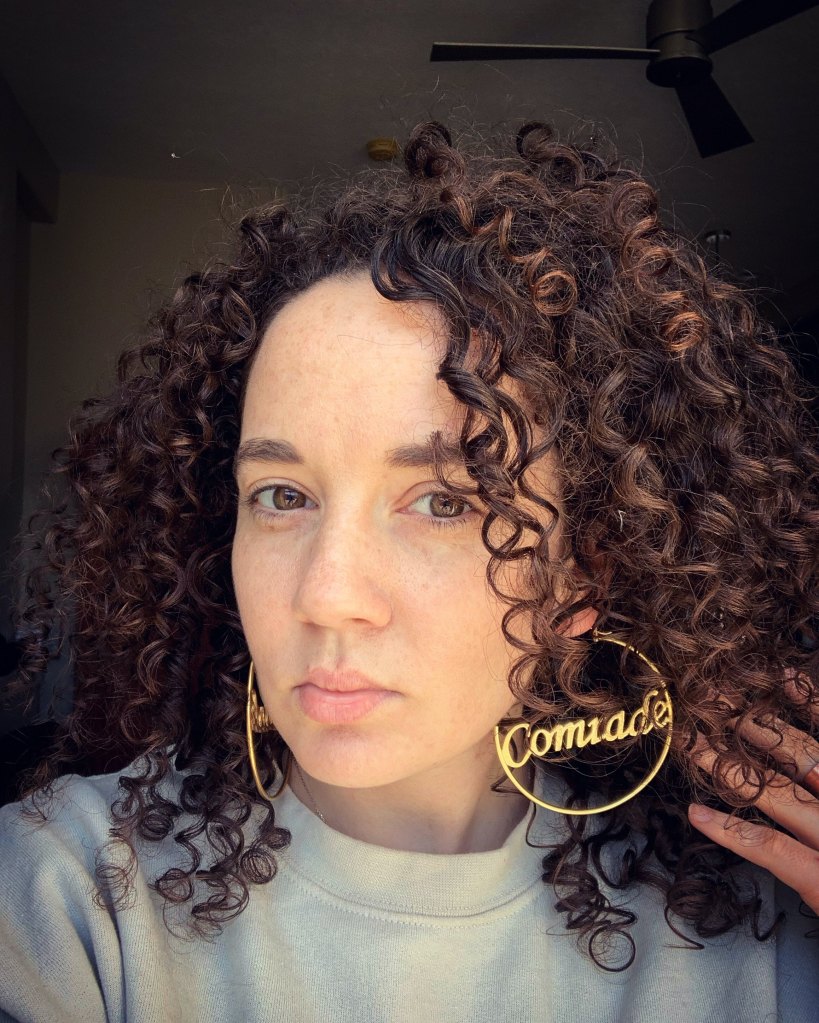
About the speaker: Dr. Patricia Kaishian is a visiting professor of Biology at Bard College in NY. Her scientific research is focused on the taxonomy of Laboulbeniales fungi, fungal biodiversity, and exploration of the use of certain fungi as potential indicators of ecosystem health. Beyond more traditional scientific research, Patricia works in the realms of philosophy of science, feminist bioscience, ecofeminism and queer theory, exploring how mycology and other scientific disciplines are situated in and informed by our sociopolitical landscape. Her publication, The science underground: mycology as a queer discipline, appears in the journal Catalyst: Feminism, Theory & Technoscience. Patricia is also a founding member of the International Congress of Armenian Mycologists (ICAM), a research organization comprised of ethnically Armenian mycologists who seek to simultaneously advance mycological science and Armenian sovereignty and liberation.
This talk will explore the field of mycology and the mycobiome through a theoretical framework rooted in queer and feminist theories, as well as philosophy of science and Traditional Ecological Knowledge. The goal is to challenge, push, and explore central tenets of institutional science, and to socially and historically situate current research dilemmas in mycology and microbiome studies. By excavating and laying bare ingrained, systemic biases in scientific institutions, we can attempt to disarm fallacious assertions of “purity” in science and better understand bodies at various scales.
“Microbiomes and climate change at the intersection of human and ecosystem health in the North”
Dr. Catherine Girard, PhD
April 20, 2022, 12:00 – 13:00 EST. Register for this free talk.

Dr. Catherine Girard is an Associate Professor at the Université du Québec à Chicoutimi, where she works on the response of microbiomes to climate change in the Arctic. In the past, she has worked on the human microbiome and how it is shaped by tradition, culture and global warming. She now explores how ice-dwelling microbes are responding to change, from a conservation and ecosystem service perspective. She is involved in collaborative research with partners from the Inuit Nunangat, and views microbiomes as part of our heritage.
“What Connects Us: stories of working across difference with humans and microbes”
Dr. Maya Hey, PhD
April 27, 2022, 12:00 – 13:00 EST. Register for this free talk.
About the speaker: Dr. Maya Hey is a postdoctoral researcher with the Future Organisms project as part of an international trans-disciplinary team investigating Responsible Research and Innovation (RRI). She brings a humanities and social science perspective to the life sciences, calling upon feminist, intersectional, and multispecies approaches to map out human response-ability in a more-than-human world. She is vested in questions related to fermentation, particularly as they relate to discourses of health, the rhetoric of microbiomes, and how we come to know microbial life.”
Talk summary: What connects us across different scales of life? This talk examines three case studies—on fermentation, conversation, and innovation—to better understand how micro-organisms affect macro-cultures and vice-versa, with emphasis on working with difference instead of resolving them.
Title TBD
Dr. Liat Shenhav, PhD
May 4, 2022, 12:00 – 13:00 EST. Register for this free talk.
About the speaker: Dr. Liat Shenhav is an Independent Research Fellow at The Rockefeller University.
From the Rockefeller Profile Page: “The dynamics of most biological phenomena—how they change over time—can often provide information that is not apparent when only a snapshot is considered. For example, the way the maternal immunome changes during pregnancy, rather than its specific state at any specific time, is indicative of ensuing pathology. Integrated temporal signals, across information layers, allow us to comprehensively describe a complex and dynamic biological process, and accurately predict its emergent properties. Inferring these dynamics, however, is not simple; in complex systems such as the human body, this requires understanding numerous organ systems, tissue types, and components, as well as their trajectories and interactions – naively, an intractable task. A reasonable assumption, proven useful in diverse scenarios, is that there are latent trajectories that largely govern these biological processes. Liat Shenhav designs and develops frameworks that combine longitudinal data analysis with statistical learning, to uncover the underlying dynamics that differentiate between normal and pathological conditions across biological systems.”
These seminars have passed by already, but you can check out the recordings online:
“Microbes at the nexus of environmental, biological, and social research”
Dr. Sue Ishaq, PhD
January 19, 2022, 12:00 – 13:00 EST. This event has passed, watch the recording here.

About the speaker: Dr. Sue Ishaq is an Assistant Professor of Animal and Veterinary Science at the University of Maine, in the School of Food and Agriculture. She received her doctorate in Animal, Nutrition and Food Science from the University of Vermont in 2015 where her graduate study focused on identifying the microbes in the rumen stomach of the moose and if they could be used to make probiotics for lambs. She held two post-doctoral positions at Montana State University, one in data analysis of host microbial communities and the other identifying the soil microbes associated with what fields under different climate change conditions. From there she held an assistant research professor position at the University of Oregon investing the microbial communities found in buildings. She established her lab at UMaine in 2019, where her research group focuses on host-associated microbial communities in animals and humans. In addition to her research and teaching on animal microbes, Dr. Ishaq is the founder of the Microbes and Social Equity working group. This group formed to examine, publicize and promote a research program on the reciprocal impact of social inequality and microbiomes, both human and environmental.
“The Human Microbiome and Health Inequities”
Dr. Katherine (Katie) Amato, PhD
January 26, 2022, 12:00 – 13:00 EST. This event has passed, watch the recording here.
About the speaker: Dr. Katherine (Katie) Amato is an Assistant Professor of Anthropology at Northwestern University. From her faculty profile page: “Katie Amato is a biological anthropologist studying the gut microbiota in the broad context of host ecology and evolution. She is particularly interested in understanding how changes in the gut microbiota impact human nutrition and health in populations around the world, especially those with limited access to nutritional resources.”
Talk summary: The talk explores how the microbiome is likely to be a mediating pathway that translates disparities in people’s environments to disparities in health outcomes. It outlines the current state of the literature in this area and broadly suggests ways to move forward. Dr. Amato’s recent publication on this topic can be found here.
“Analyzing and harnessing microbiomes from Soil to Society: Towards sustainable and equitable agricultural systems“
Dr. Frank Carbonero, PhD
February 2, 2022, 12:00 – 13:00 EST. This event has passed, watch the recording here.

About the speaker: Dr. Frank Carbonero, PhD, is an Assistant Professor in the Department of Nutrition and Exercise Physiology at Washington State University Elson S. Floyd College of Medicine.
He received his Bachelor’s of Science in Biology from Universite Joseph Fourier, in France, his Master’s of Science degree in Ecology from Universite Blaise Pascal, in France, and his Ph.D. degree in Microbiology from the University of Warwick, in the United Kingdom. After that, he was a Postdoctoral Research Associate at the University of Illinois Urbana-Champaign for three years, and has served as an Assistant Professor in the Department of Food Science at the University of Arkansas since 2013. His research program is focused on nutrition and its impact on the human and animal gut microbiome, with focus on dietary bioactives, including from berries.
Logo designed by Alex Guillen
 The Ishaq Lab