

Events will be hosted January – December in 2026, on the last Wednesday of every month, 11:00 – 13:00 pm ET. Presented over Zoom.
After each talk, we will continue the discussions in an informal social meeting with MSE. All speakers and members of the audience are welcome to join the social meeting.
Hosted by: Sue Ishaq, MSE, and finacially supported by the University of Maine Institute of Medicine and Applied Microbiology International.
Summary:
Microorganisms are critical to many aspects of biological life, including human health. The human body is a veritable universe for microorganisms: some pass through but once, some are frequent tourists, and some spend their entire existence in the confines of our body tissues. The collective microbial community, our microbiome, can be impacted by the details of our lifestyle, including diet, hygiene, health status, and more, but many are driven by social, economic we, medical, or political constraints that restrict available choices that may impact our health. Access to resources is the basis for creating and resolving social equity—access to healthcare, healthy foods, a suitable living environment, and to beneficial microorganisms, but also access to personal and occupational protection to avoid exposure to infectious disease. This speaker series explores the way that microbes connect public policy, social disparities, and human health, as well as the ongoing research, education, policy, and innovation in this field.
You can find recordings from previous series here.
“Mystery at the Membrane: Discovering Copper’s Entry Route into Bacteria and Other Copper Tales”
Dr. Michael Johnson, PhD
Jan 28, 2026, 11:00 – 13:00 ET.
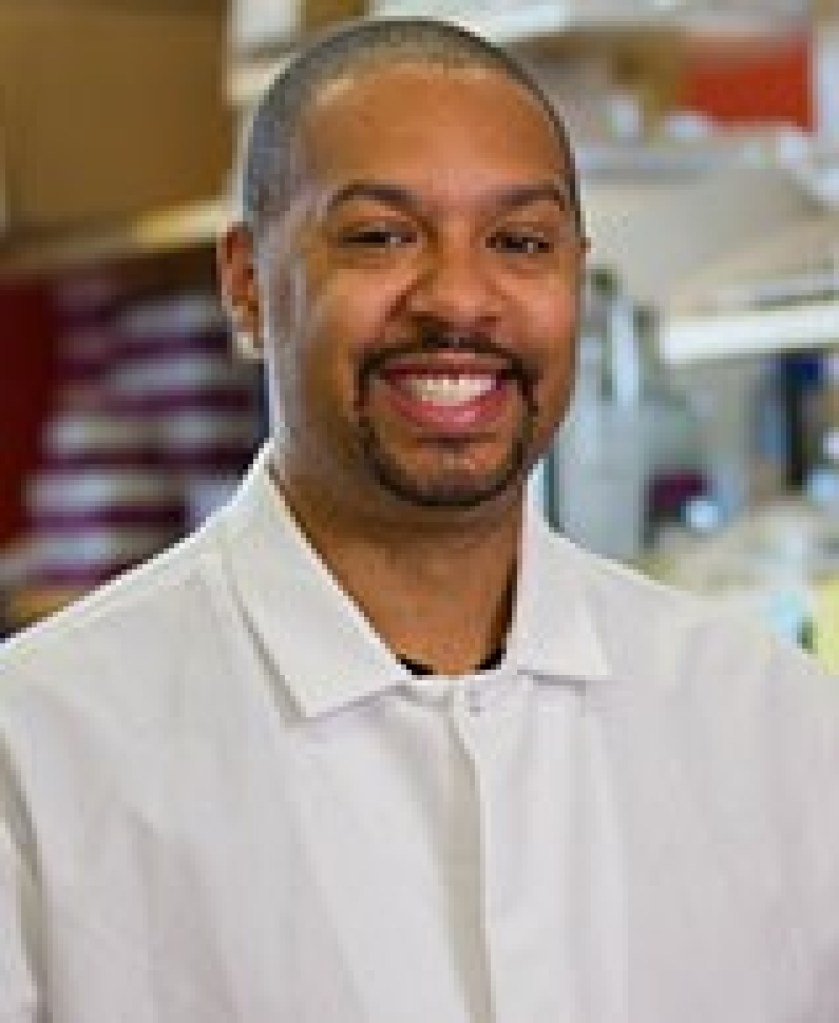
Dr. Michael D. L. Johnson received an A.B. in Music from Duke University and his Ph.D. in Biochemistry and Biophysics at the University of North Carolina at Chapel Hill. He completed two postdoctoral fellowships in Infectious Diseases and Immunology at St. Jude Children’s Research Hospital. Currently, Dr. Johnson is an Associate Professor at the University of Arizona in the Department of Immunobiology, where he studies mechanisms of metal toxicity in bacteria. He was the 2020 NIGMS Director’s Early Career Investigator Lecturer and the 2022 American Society for Microbiology William A. Hinton Award winner for Advancement of a Diverse Community of Microbiologists. Dr. Johnson is active in trainee professional development through developing the National Summer Undergraduate Research Project, The BIO5 Postdoctoral Fellowship Program, and as the Associate Dean for Basic Science Research and Graduate Studies for the College of Medicine Tucson. His faculty page is here.
“Mechanisms of environmental microbiome resilience”
Feb 25, 2026, 11:00 – 13:00 ET.
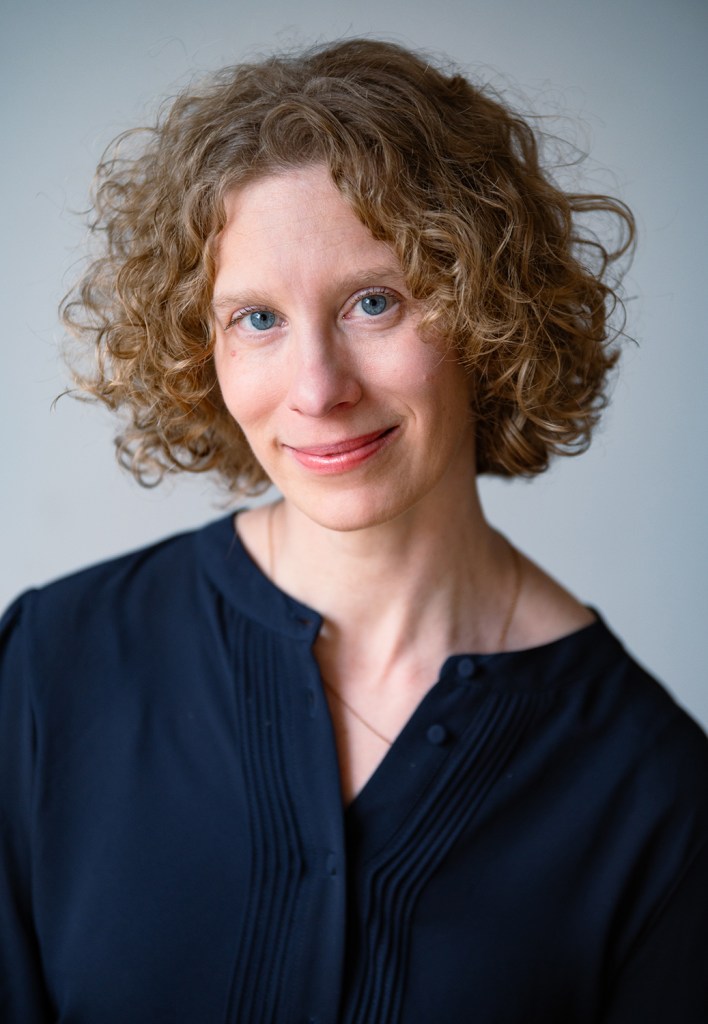
Dr. Ashley Shade, PhD. is a Director of Research with the French National Center for Scientific Research at the University of Lyon, France. She studies microbial community ecology, biodiversity, and microbial responses to disturbances such as climate change. In 2024, she received the U.S. Presidential Early Career Award for Scientists and Engineers from President Biden for her work on microbial community resilience. As of 2025, she is the Editor in Chief of the scientific journal mSystems.
“Unraveling Periprosthetic Joint Infection”
Dr. Robin Patel, M.D.
Mar 25, 2026, 11:00 – 13:00 EDT.
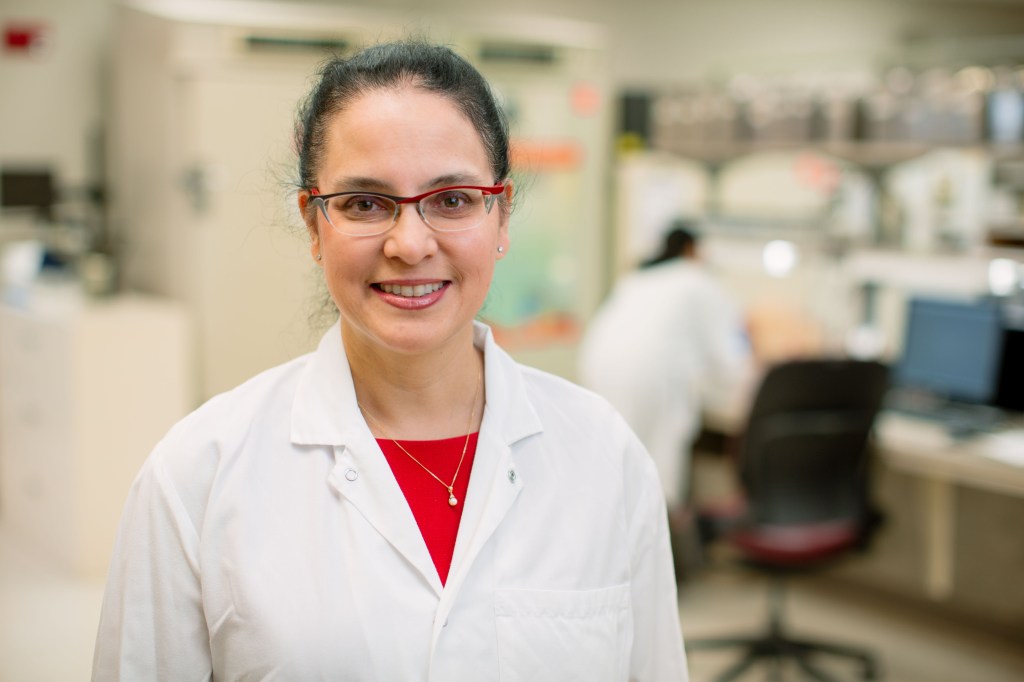
Dr. Robin Patel is the Elizabeth P. and Robert E. Allen Professor of Individualized Medicine, Director of the Infectious Diseases Research Laboratory, Co-Director of the Clinical Bacteriology Laboratory, Vice Chair of Education in the Department of Laboratory Medicine and Pathology, and former Chair of the Division of Clinical Microbiology, at the Mayo Clinic. Professor Patel’s research focuses on understanding the inherent biology of periprosthetic infection. She has over 635 peer-reviewed publications, is supported by the National Institutes of Health and the Centers for Disease Control and Prevention, is the Director of the Laboratory Center of the Antibacterial Resistance Leadership Group of the National Institutes of Health, and is a Past President of the American Society for Microbiology where she currently serves in the role of Secretary on the Board of Directors. Her faculty page is here.
“Microbial Communities in the Leaves Around Us”
Dr. Naupaka Zimmerman, Ph.D. (he/him/his)
Apr 29, 2026, 11:00 – 13:00 EDT.
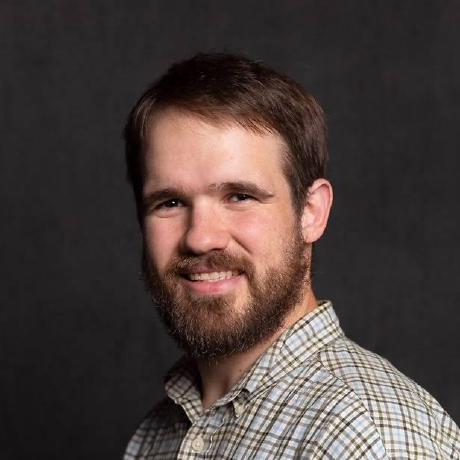
Dr Naupaka Zimmerman is an Assistant Professor in the Environmental Studies Program at the University of Kansas (KU). He was previously an Associate Professor of Biology and Director of the MS Biology Program at the University of San Francisco. His research explores microbial ecology, with a focus on the communities of fungi that live inside plant leaves without causing disease, known as endophytes. His work investigates how environmental conditions, host species, and geography influence the diversity and function of these microbes.
Born and raised on the Big Island of Hawaiʻi, Dr Zimmerman has studied the microbial ecology of native Hawaiian plants, particularly Metrosideros polymorpha. At USF, his lab worked on plant–microbe interactions in urban environments and sustainable agricultural systems, including research across San Francisco and at Star Route Farms in Marin County. He plans to extend that work to agricultural and grassland systems in the midwest in his new role at KU. His team uses fieldwork, microscopy, DNA sequencing, and bioinformatics to understand how plant-associated microbes contribute to ecosystem processes such as decomposition, plant health, and resilience to pathogens. His lab website is here.
“The nexus of food systems, ecosystems and human health: considering the more-than-humans who co-produce health”
Dr. Sarah Elton, PhD
May 27, 2026, 11:00 – 13:00 EDT.
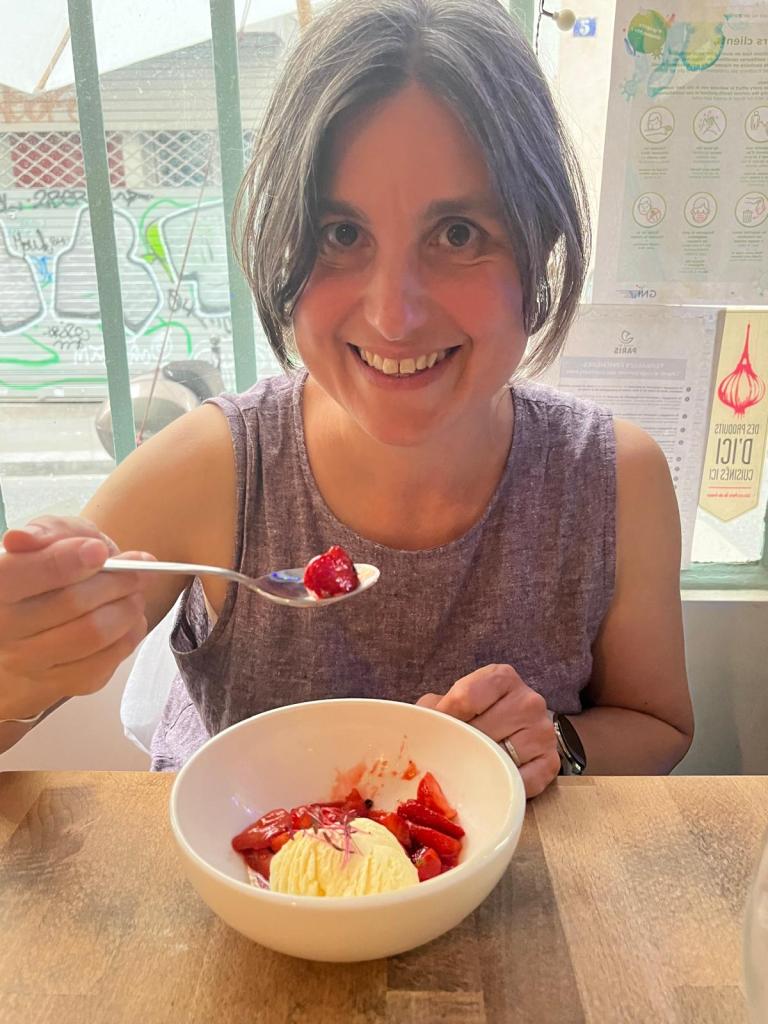
Dr. Sarah Elton is an Assistant Professor and Eakin Chair in Critical Qualitative Health Research Methodology at the University of Toronto’s Dalla Lana School of Public Health. She researches at the nexus of food systems, ecosystems and human health, considering the more-than-humans who co-produce health, including microbes. In 2021, she was the first qualitative researcher to be recognized by the Gairdner Foundation when she won a Gairdner Early Career Investigator Award. Previous to her academic career, Sarah worked as a journalist and is the author of two Canadian bestselling nonfiction books, Locavore and Consumed: Food for a Finite Planet. In this presentation, she draws on more-than-human methodologies and her own field work in food systems to explore different ways social scientists can conduct research with microbes. She focuses on how critical qualitative research methodologies can enable scholars to investigate the social and political forces that shape human-microbe relations.
This talk explores how microbes connect people to food systems and the ecosystems that undergird food production. Drawing on critical qualitative research conducted in food systems, Dr. Sarah Elton will make the case that the human gut microbiome should be considered as part of the food system itself—a component of what she calls the nested ecosystems of health. The talk will explore how this view of the human body challenges common understandings of human health because it sees the human as inextricable from the biosphere. The session will challenge anthropocentric models of health by considering food not only as nutrition or commodity, but as an ecological process. This framing invites reflection on responsibility, equity, and care in food systems, and on how more inclusive conceptions of health might inform policy, practice, and research. The session will also provide insight into how critical social scientists are working with natural and biomedical science in the study of microbes and microbiomes.
“TBD”
Jun 24, 2026, 11:00 – 13:00 EDT.
“Searching for missing gut microbes in the Amazon”
Dr. Emma Allen-Vercoe, PhD
July 29, 2026, 11:00 – 13:00 EDT.
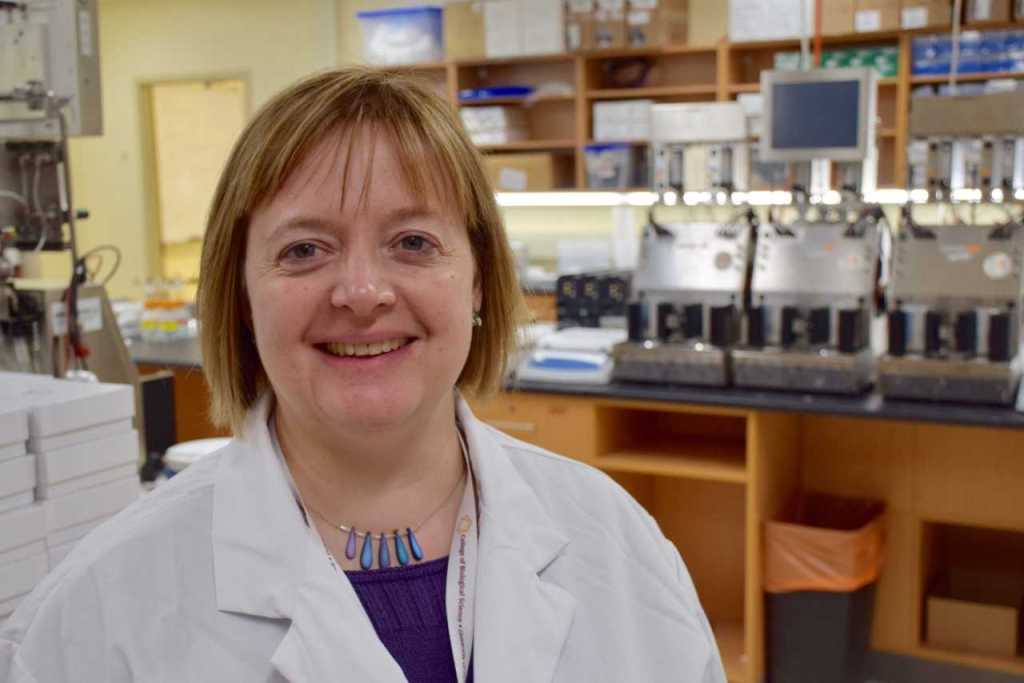
Dr. Emma Allen-Vercoe obtained her BSc (Hons) in Biochemistry from the University of London, and her PhD in Molecular Microbiology through an industrial partnership with Public Health England. Emma started her faculty career at the University of Calgary in 2005, with a Fellow-to-Faculty transition award through CAG/AstraZeneca and CIHR, to study the normal microbes of the human gut. In particular, she was among the few that focused on trying to culture these ‘unculturable’ microbes in order to better understand their biology. To do this, she developed a model gut system to emulate the conditions of human and other animal guts and allow communities of microbes to grow together, as they do naturally.
Emma moved her lab to the University of Guelph in late 2007, and has been a recipient of several awards (through the Canada Foundation for Innovation) that have allowed her to develop her specialist anaerobic fermentation laboratory further. Emma is a Tier 1 Canada Research Chair, and her lab studies many microbial ecosystems, including those of Indigenous people of the Amazon, people in the industrialized world suffering from chronic disease, and those of honey bees and native pollinator insect species of Canada. Her faculty page is here.
“The Secret World Within: How the Microbiome Provides Insight into Gynecologic Health”
Dr. Nicole Jimenez, PhD
Aug 26, 2026, 11:00 – 13:00 EDT.
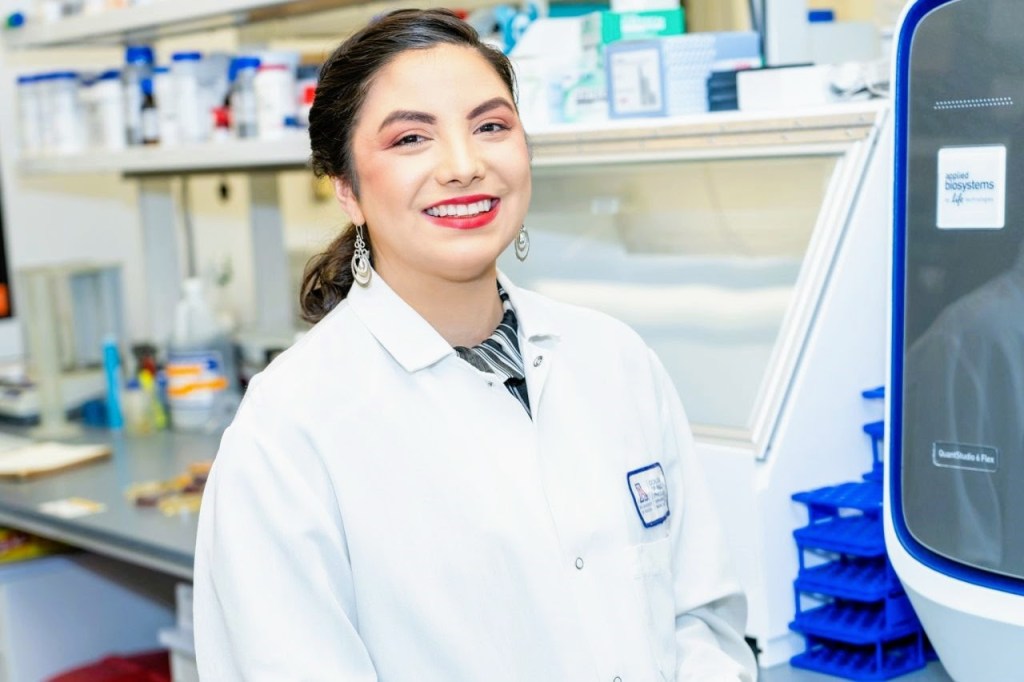
Dr. Nicole Jimenez is a postdoctoral fellow at the University of Arizona College of Medicine-Phoenix, specializing in gynecologic health research. Raised in Arizona, she was inspired by mentors in programs such as the Si Se Puede Foundation and ASU’s Los Diablos, and by her innate curiosity, to pursue a career as a scientist. She completed her doctoral degree in 2021 from Virginia Commonwealth University as part of the Vaginal Microbiome Consortium, studying the microbiome in the context of bacterial vaginosis, trichomoniasis, and pregnancy. Currently, her postdoctoral research, conducted in Dr. Melissa Herbst-Kralovetz’s lab, focuses on conditions such as chronic pelvic pain, endometriosis, adenomyosis, cervical and endometrial cancer, utilizing multi-omic pipelines, microbial culturomics, and 3D epithelial cell models. Dr. Jimenez has demonstrated a strong commitment to academic excellence, evidenced by recently securing the American Cancer Society postdoctoral fellowship, publishing manuscripts in microbiology and clinically focused journals, and receiving the 2025 University of Arizona Outstanding Postdoctoral Scholar Award. Driven by her passions for science, advocacy, and mentorship—having guided 22 students across various levels—she is actively preparing for a transition to an independent faculty position to continue her translational work on understudied gynecologic conditions through the lens of the microbiome. A recent article can be found here.
“The nuts and bolts of microbiome stewardship: what are we trying to protect?”
Dr. Rob Beiko, PhD
Sept 30, 2026, 11:00 – 13:00 EDT.
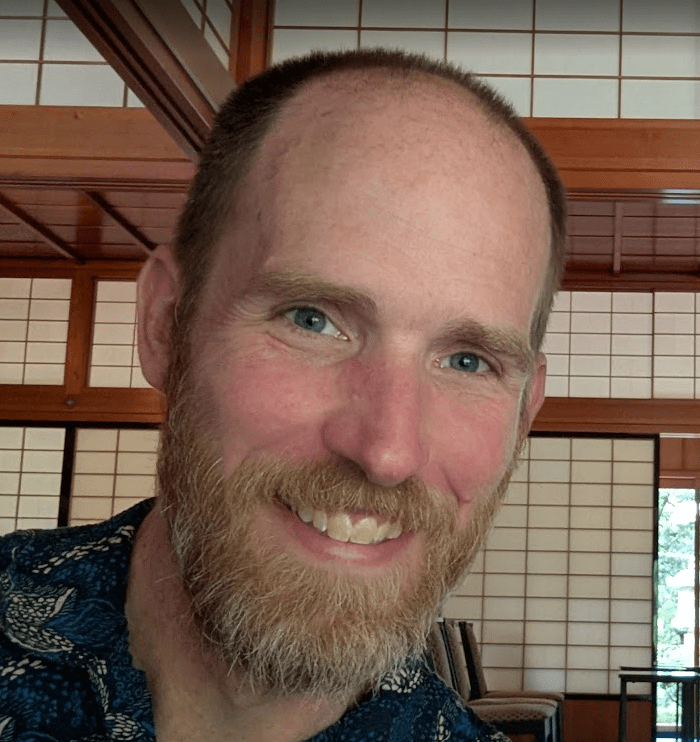
Dr. Robert Beiko is a Professor in the Faculty of Computer Science at Dalhousie University who specializes in the analysis of DNA and protein sequences to better understand biodiversity, evolution, and ecology. He is also Director of Data at Dartmouth Ocean Technologies, Inc. His lab is currently developing software tools and algorithms to better understand the evolution and transmission of antimicrobial-resistance genes, and new computational methods to identify species and infer their ecological roles using environmental DNA. His lab website is here.
“TBD”
Dr. Zinzi Bailey, PhD
Oct 28, 2026, 11:00 – 13:00 EDT.
“TBD”
Dr. Louis-Patrick Haraoui, PhD
Nov 25, 2026, 11:00 – 13:00 ET.
“Microbiome and Amazonian Indigenous Peoples, ethics and beyond”
Dr. Eglee Zent, PhD., and featuring Dr. Melissa Melby, PhD.
Dec 16, 2026, 11:00 – 13:00 ET.
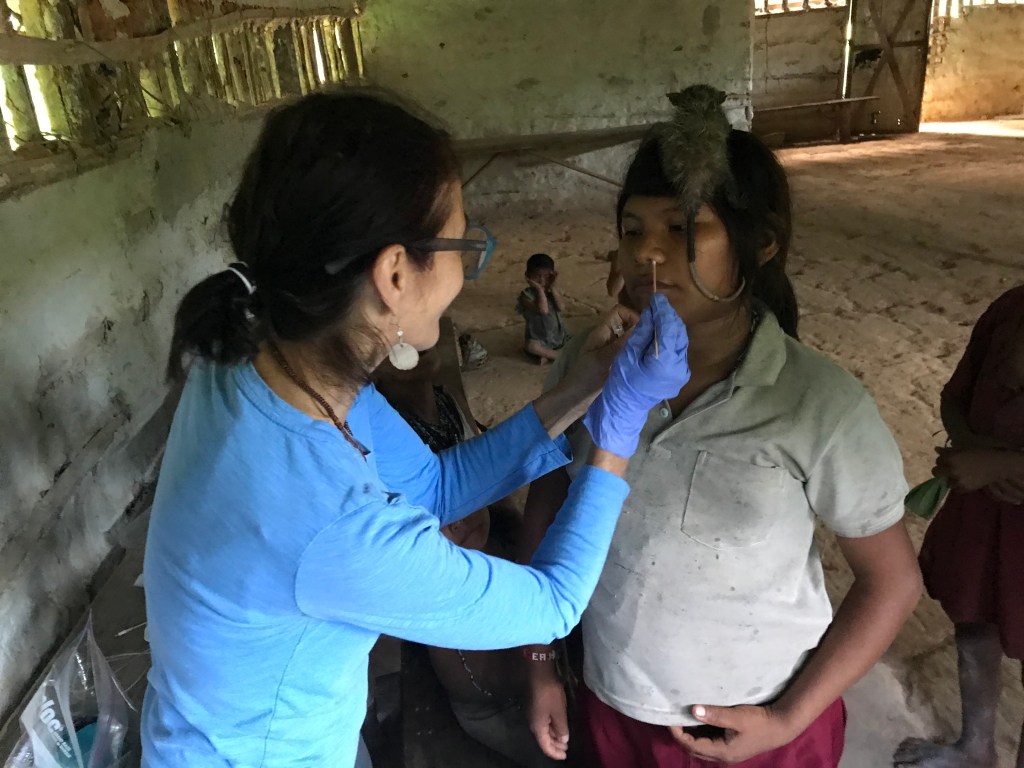
Eglee Zent is the mother of two sons and has an eclectic academic background (art history, anthropology, botany, conservation biology). She conducted graduate studies at universities in Venezuela (Instituto Venezolano de Investigaciones Científicas, IVIC) and the USA (Georgia and California at Berkeley). She has carried out ethno-ecological, eco-cosmological, ethnocartographic and microbiome research in the high Venezuelan Andes among Paramero people as well as in the lowland Amazon among the Jotï, an Amerindian group. Her research embraces trans-disciplinary epistemologies and approaches, drawing in material and ideological, quantitative and qualitative, aspects. Eglee is an Assistant Professor of Human Ecology at the University of Vermont and her presentation features Melissa Professor of Anthropology at the University of Delaware
Logo designed by Alex Guillen
 The Ishaq Lab