

Events will be hosted January – November, 2025, on the last Wednesday of every month, 12:00 – 14:00 pm ET. Presented over Zoom.
After each talk, we will continue the discussions in an informal social meeting with MSE. All speakers and members of the audience are welcome to join the social meeting.
Hosted by: Sue Ishaq, MSE, and finacially supported by the University of Maine Institute of Medicine and the UMaine Cultural Affairs/Distinguished Lecture Committee.
Summary:
Microorganisms are critical to many aspects of biological life, including human health. The human body is a veritable universe for microorganisms: some pass through but once, some are frequent tourists, and some spend their entire existence in the confines of our body tissues. The collective microbial community, our microbiome, can be impacted by the details of our lifestyle, including diet, hygiene, health status, and more, but many are driven by social, economic we, medical, or political constraints that restrict available choices that may impact our health. Access to resources is the basis for creating and resolving social equity—access to healthcare, healthy foods, a suitable living environment, and to beneficial microorganisms, but also access to personal and occupational protection to avoid exposure to infectious disease. This speaker series explores the way that microbes connect public policy, social disparities, and human health, as well as the ongoing research, education, policy, and innovation in this field.
You can find recordings from previous series here.
“The Scoop and Poop: Agricultural microbiomes and social equity”
Dr. Adina Howe, PhD.
Jan 29, 2025, 12:00 – 14:00 ET. This event has passed, watch the recording here.
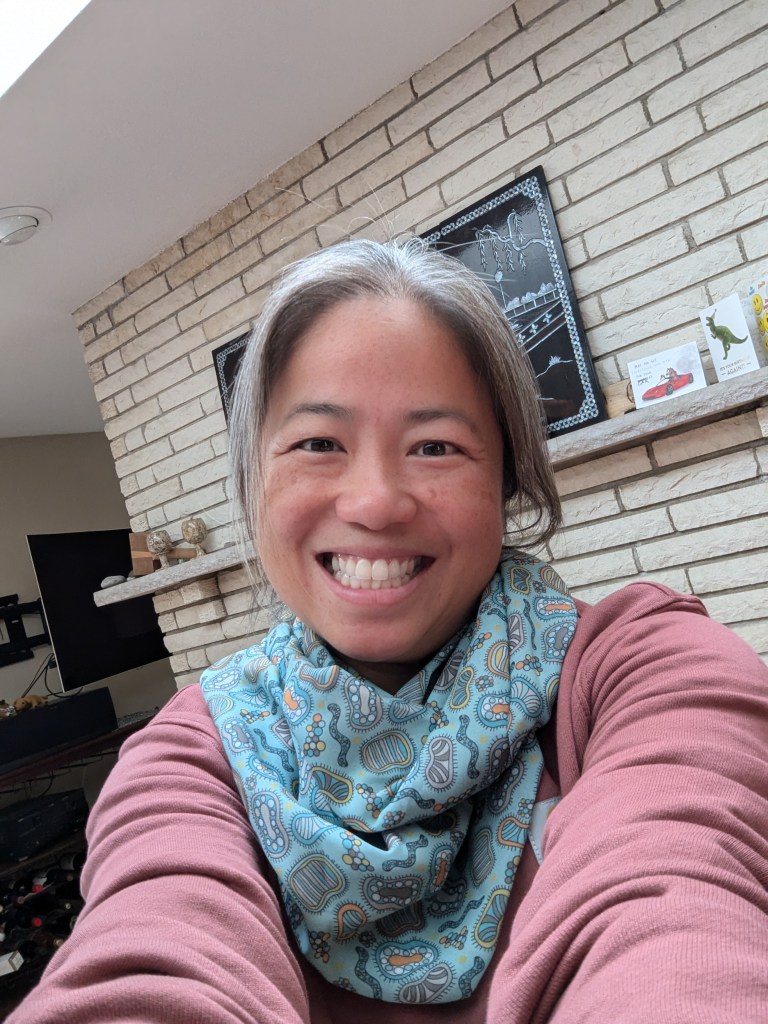
Dr. Adina Howe is an associate professor in the Department of Agricultural and Biosystems Engineering at Iowa State University. She leads the Genomics and Environmental Research in Microbial Systems (GERMS) Laboratory. The goal of the GERMS Lab (www.germslab.org) is to understand and manage the impacts of microbiology as we continuously change the environment that we live in. In her free time, she enjoys being outside with the family including her two dogs, board games, and playing city recreational sports.
Speaker rescheduled — coffee hour only!
Feb 26th, 2025, 12:00 pm ET
“Fungal responses to global climate change and potential impacts to our ecosystems and public health”
Dr. Adriana Romero-Olivares, PhD.
Mar 26, 2025 12:00 PM Eastern Daylight Time. This event has passed, watch the recording here.

Dr. Adriana Romero-Olivares, PhD., Assistant Professor at New Mexico State University. She is a soil microbiologist who works at the intersection of ecosystem ecology and evolution with an emphasis on fungi. She did her bachelor’s degree in Biology and master’s degree in Molecular Ecology at the Autonomous University of Baja California. Dr. Romero-Olivares completed her PhD in the University of California Irvine, where she investigated the effects of global warming on the soil fungal communities of boreal forests in Alaska and consequences for decomposition and the carbon cycle. As a postdoctoral scholar in the University of New Hampshire, she studied fungal communities in temperate forests in New England experiencing long-term simulated warming and nitrogen pollution and impacts to the cycling of carbon.
Dr. Romero-Olivares is now an Assistant Professor in New Mexico State University. In her lab, they are interested in understanding how fungi respond and adapt to environmental stress. Their overall research goal is to better understand and plan for ecosystem-scale effects of global climate change.
Her lab website is here.
“The role of methane-producing anaerobes in One Health”
Dr. Geo Santiago-Martínez, PhD
Apr 30, 2025, 12:00 EDT. This event has passed, watch the recording here.

Geo is an Assistant Professor for Microbiology at The University of Connecticut (UConn), specializing in the physiology of methane-producing microbes of the Domain Archaea (methanogens) and the biochemistry of biomolecules involved in their metabolism. Using comparative omics data, his team first identifies possible molecular mechanisms and then experimentally tests functions and phenotypes. The goal of this research program is to understand the role of methanogens in nutrient cycling and the health of host-associated ecosystems and microbiomes. Projects at the UConn Microbial Ecophysiology Laboratory focus on evaluating the molecular mechanisms that regulate cellular processes in methanogens and how energy status influences their ability to withstand environmental stress conditions, using protocols on anaerobic microbial physiology, classical biochemical approaches, transcriptomic analysis, ultrastructure, metabolic modeling, and genetic manipulation.
You can find his lab website here!
“Relational One Health: a more-than-biomedical approach to more-than-human health”
Dr. Julianne Meisner, PhD, MS, BVM&S
May 28, 2025 12:00 EDT. This event has passed, watch the recording here.
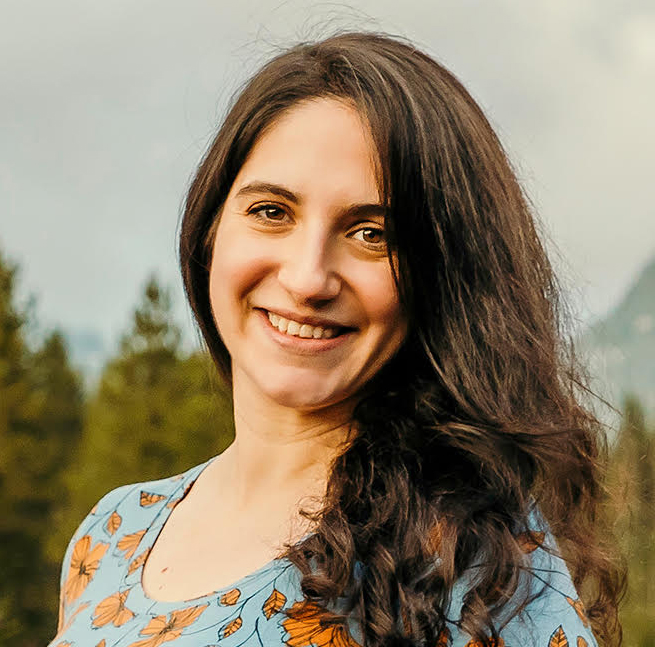
Julianne Meisner BVM&S MS PhD is a veterinarian and epidemiologist, and an Assistant Professor in the Departments of Global Health and Epidemiology at the University of Washington in Seattle. Her research and teaching focus on pastoralist health, epidemiologic methods for One Health, and suitable theory for more-than-biomedical approaches to One Health. In particular, her work applies causal inference methods, spatial and mechanistic models, and network analyses to characterize the influence of political and social forces on health at the human-animal-environment nexus.
“Viral Entry: Lessons from Pathogens to Improve Human Health”
Dr. Chelsey Spriggs, PhD.
Jun 25, 2025 12:00 ET. This event has passed, watch the recording here.

Chelsey Spriggs is an Assistant Professor at the University of Michigan Medical School and a Research Assistant Professor at the University of Michigan’s Life Sciences Institute. She earned her PhD in microbiology from Northwestern University in 2017. Chelsey now runs an independent research program at the University of Michigan studying the host-pathogen interactions required for the cellular entry of both oncogenic and oncolytic viruses and is grateful for the opportunity to mentor and train the next generation of young scientists in her lab. The lack of representation in STEM is, at times, discouraging; and she aims to serve as a role-model (and resource) for underrepresented minority students interested in biological research through engaging in various outreach, mentorship, and teaching opportunities. Chelsey is a co-founder of the Black Microbiologists Association where she currently serves as the Treasurer and Director of Membership.
“Defending against Phage Predators: Trading Public Goods via Integrons”
Dr. Landon Getz, PhD
Jul 30, 2025, 12:00 ET. This event has passed, watch the recording here.
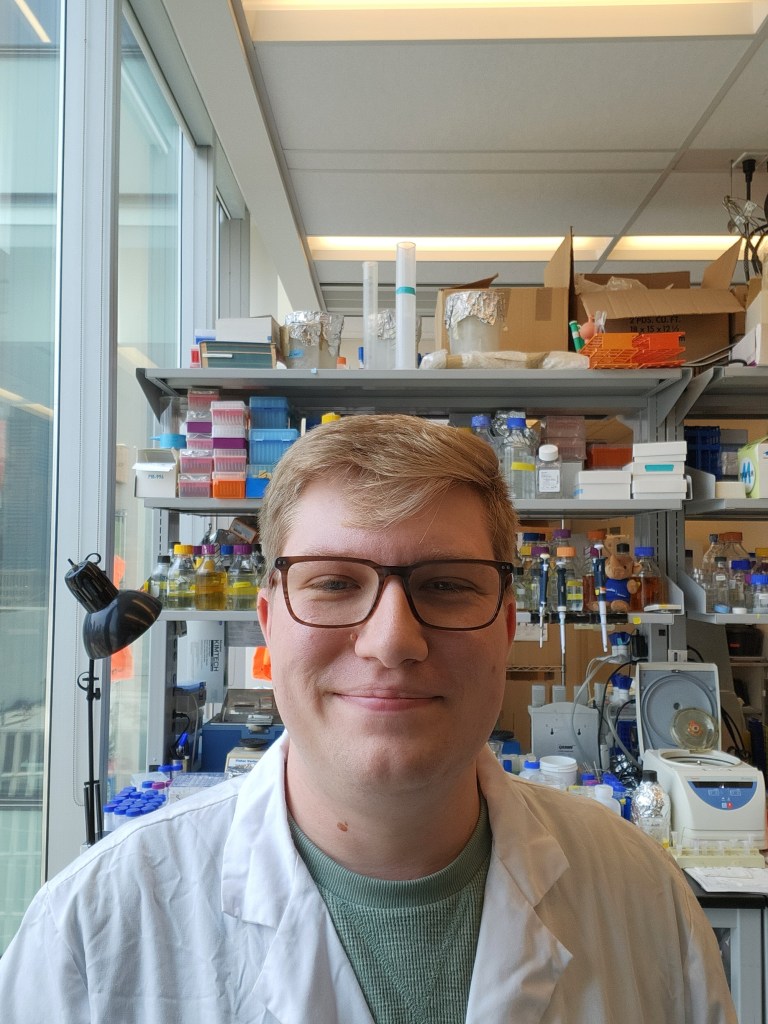
Dr. Landon J. Getz (He/Him, PhD) is a Postdoctoral Fellow in the Department of Biochemistry within the Temerty Faculty of Medicine at the University of Toronto. Landon is a Gay/Queer man and a molecular bacteriologist specializing in bacterial genetics and phage-host interactions. Dr. Getz is a CIHR Postdoctoral Fellow and the recipient of the inaugural GSK-EPIC Convergence Postdoctoral Fellowship at the University of Toronto. Dr. Getz’s work is currently focused on the collaborative and competitive relationship between bacteriophages, viruses that infect bacteria, and their bacterial hosts. Primarily, this work has revolved around the mechanisms that bacteria, and their integrated bacteriophages, defend themselves from incoming phage infection through anti-phage defence.
Landon is an LGBTQ+ advocate and works to enhance the justice and belonging of Queer and Trans folks in Science, Technology, Engineering, and Mathematics (STEM). Most recently, Landon founded the Pride in Microbiology Network along with Dr. Edel Pérez-López
and Dr. Bruno Francesco Rodrigues de Oliveira. The Pride in Microbiology Network has over 200 international members, and has recently launched PiM Connections – a mentorship and professional development network connecting students and early career researchers with more seasoned mentors. Landon has a keen interest in the connections and overlaps of science and society, has written a number of commentaries on the topic. Landon is also an alumnus of the inaugural Youth Council of the Chief Science Advisor of Canada.
Coffee Hour Only From 12 – 1 pm
Aug 27, 2025 12:00 EDT
“Healthy Soils: Our Hope for a Warming World”
Dr. Kristen DeAngelis, PhD
Sept 24, 2025 12:00 EDT. This event has passed, watch the recording here.

Kristen got her PhD in Microbiology from the University of California Berkeley, and was trained in microbial ecology and environmental microbiology as a postdoc at the Lawrence Berkeley National Laboratory and at the Joint BioEnergy Institute. Born in Massachusetts, she has worked at UMass Amherst since 2011, where she is the lead of the Molecular Microbial Ecology Lab in the department of Microbiology. In the past 5 years alone, she became an Elected Fellow of the American Academy of Microbiology, she’s been awarded Distinguished Lecturer from the American Society for Microbiology and UMass, she received the Chancellor’s Medal from UMass, and she was the Harvard Forest Bullard Fellow.
Kristen loves teaching (and learning) bioinformatics and computer programming, crosswords, drawing, and hiking western Mass with her two kids and crazy dog Suki. Her lab website is here.
Kristen was one of the earliest members of MSE, contributing to a science communications piece and the paper which introduced MSE to the world!
“City compost programs turn garbage into ‘black gold’ that boosts food security and social justice.” Kristen DeAngelis, Gwynne Mhuireach, Sue Ishaq, The Conversation. June 11, 2020
Ishaq, S.L., Parada, F.J., Wolf, P.G., Bonilla, C.Y., Carney, M.A., Benezra, A., Wissel, E., Friedman, M., DeAngelis, K.M., Robinson, J.M., Fahimipour, A.K., Manus, M.B., Grieneisen, L., Dietz, L.G., Pathak, A., Chauhan, A., Kuthyar, S., Stewart, J.D., Dasari, M.R., Nonnamaker, E., Choudoir, M., Horve, P.F., Zimmerman, N.B., Kozik, A.J., Darling, K.W., Romero-Olivares, A.L., Hariharan, J., Farmer, N., Maki, K.A., Collier, J.L., O’Doherty, K., Letourneau, J., Kline, J., Moses, P.L., Morar, N. 2021. Introducing the Microbes and Social Equity Working Group: Considering the Microbial Components of Social, Environmental, and Health Justice. mSystems 6:4. Special Series: Social Equity as a Means of Resolving Disparities in Microbial Exposure
“The journey of one Inupiat through academia: Diversity Matters“
Dr. Kat Milligan-McLellan, PhD
Oct 29, 2025 12:00 EDT. This event has passed, watch the recording here.
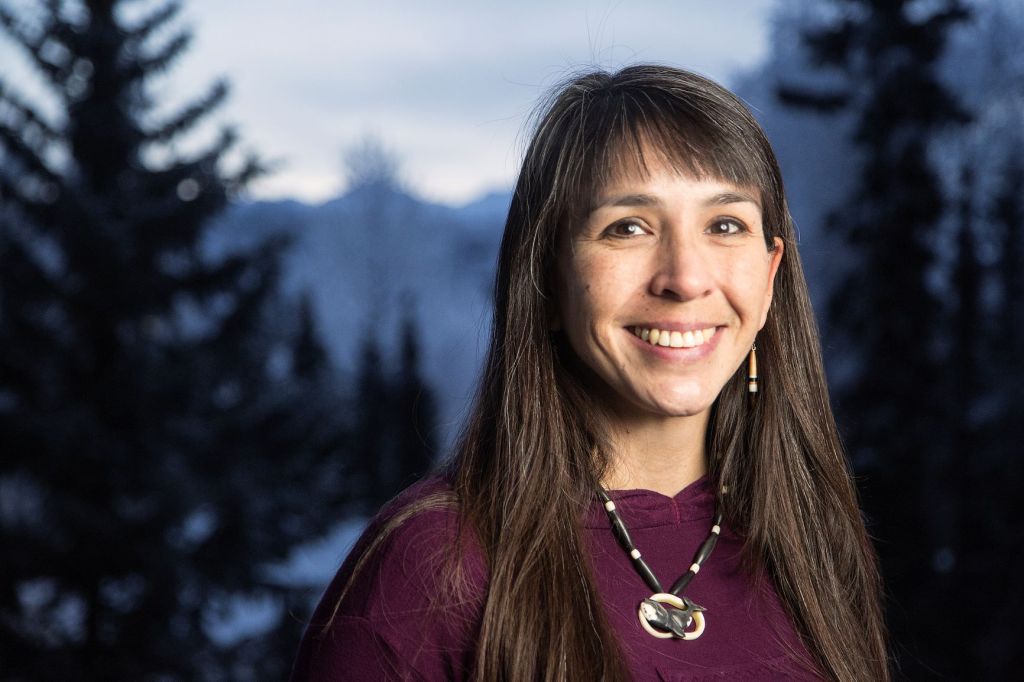
Dr. Kat Milligan-McClellan is Inupiaq and a runner, mother, and microbiologist, not necessarily in that order. Raised in a remote town above the Arctic Circle, she uses her education and skillsets to study topics that are important to her home community. She studies population variation in gut microbiota communities, including which microbe are in the gut, how they interact with the host and with each other, and whether microbes isolated from healthy Alaskan fish can reverse the effects of contaminants found in Alaska waters. In addition to mentoring over 60 people in her lab, she mentors Alaska Native students who will use their education to preserve lands, water, and ways of life in Northwest Alaska through the Caleb Scholars program. She is also Director of the Stickleback Stock Center, which provides stickleback fish to researchers throughout the United States. Her most memorable honor is being blanketed by the Native community at a University of Oregon powwow. Her lab website is here.
“Industrialization drives convergent microbial and physiological shifts in the human metaorganism”
Dr. Mathieu Groussin, PhD
Nov 19, 2025 12:00 ET. This event has passed, watch the recording here.
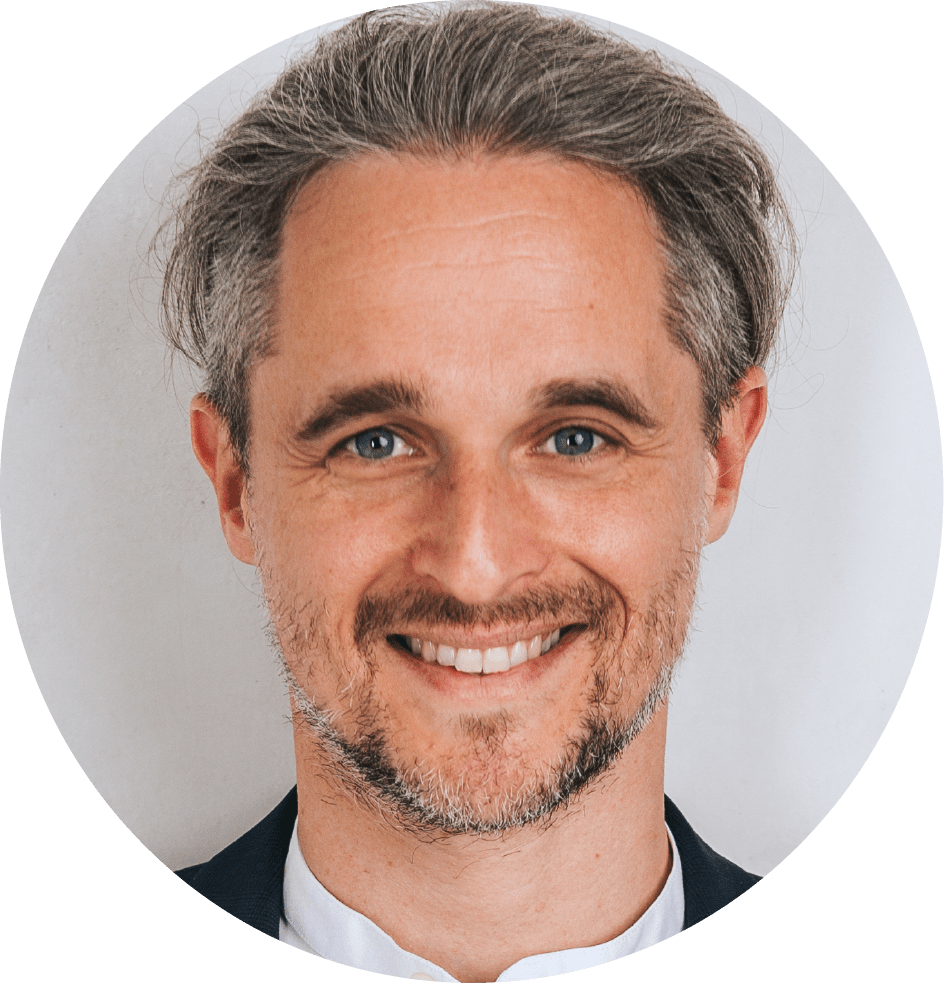
I am an Associate Professor at Kiel University and the Schleswig-Holstein University Hospital, since 2022. My research aims to advance knowledge, develop new theory, and create tools to investigate the ecology, evolution and functions of diverse human-associated microbes. I am particularly dedicated to identifying actionable features in host-associated microbiomes that can be used to improve human health. Recently, I focused on the building of large collections of human gut microbiomes and bacterial strains from worldwide human populations to study the impact of industrialization on gut bacterial genomes and functions. In 2016, I co-founded the non-profit Global Microbiome Conservancy (GMbC) initiative, an international consortium of 80+ collaborators (microbiomeconservancy.org). The mission of the GMbC is to understand the global diversity of human gut bacteria to create new knowledge on the microbiome through ethical practices, promote capacity building activities, and increase representation in microbiome science. Since its inception, I have been leading the GMbC consortium and its scientific program.
Logo designed by Alex Guillen
 The Ishaq Lab