

Events will be hosted January – December, 2024, on the last Friday of every month, 12:00 – 14:00 pm ET. Presented over Zoom.
After each talk, we will continue the discussions in an informal social meeting with MSE. All speakers and members of the audience are welcome to join the social meeting.
Hosted by: Sue Ishaq, MSE, and finacially supported by the University of Maine Institute of Medicine and the UMaine Cultural Affairs/Distinguished Lecture Committee.
Summary:
Microorganisms are critical to many aspects of biological life, including human health. The human body is a veritable universe for microorganisms: some pass through but once, some are frequent tourists, and some spend their entire existence in the confines of our body tissues. The collective microbial community, our microbiome, can be impacted by the details of our lifestyle, including diet, hygiene, health status, and more, but many are driven by social, economic, medical, or political constraints that restrict available choices that may impact our health. Access to resources is the basis for creating and resolving social equity—access to healthcare, healthy foods, a suitable living environment, and to beneficial microorganisms, but also access to personal and occupational protection to avoid exposure to infectious disease. This speaker series explores the way that microbes connect public policy, social disparities, and human health, as well as the ongoing research, education, policy, and innovation in this field.
You can find recordings from the 2021 series as well as the 2022 series and the 2023 series.

“Precision Microbiome for Health”
Dr. Jack A. Gilbert, PhD.
Feb 23, 2024 12:00 PM Eastern Standard Time. This event has passed, watch the recording here.
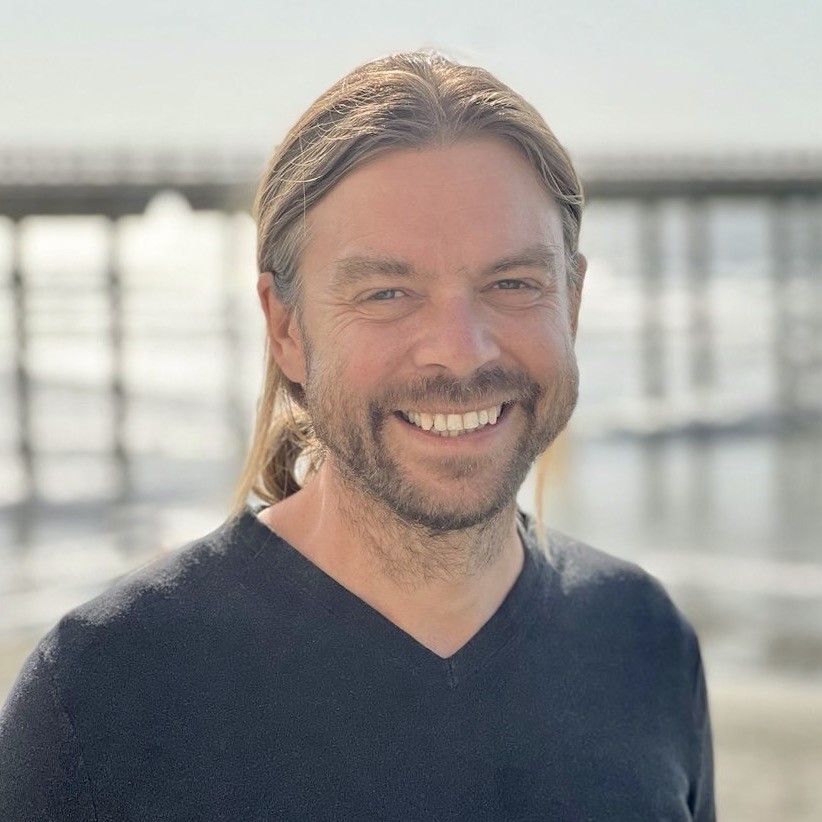
Professor Jack A Gilbert earned his Ph.D. from Unilever and Nottingham University, UK in 2002, and received his postdoctoral training at Queens University, Canada. From 2005-2010 he was a senior scientist at Plymouth Marine Laboratory, UK; and from 2010-2018 he was Group Leader for Microbial Ecology at Argonne National Laboratory, a Professor of Surgery, and Director of The Microbiome Center at University of Chicago. In 2019 he moved to University of California San Diego, where he is a Professor in Pediatrics and the Scripps Institution of Oceanography, Associate Vice Chancellor for Marine Science, and Director of both the Microbiome and Metagenomics Center and the Microbiome Core Facility. Dr. Gilbert uses molecular analysis to test fundamental hypotheses in microbial ecology.
He cofounded the Earth Microbiome Project and American Gut Project. He has authored more than 450 peer reviewed publications and book chapters on microbial ecology. He is the founding Editor in Chief of mSystems journal. In 2014 he was recognized on Crain’s Business Chicago’s 40 Under 40 List, and in 2015 he was listed as one of the 50 most influential scientists by Business Insider, and in the Brilliant Ten by Popular Scientist. In 2016 he won the Altemeier Prize from the Surgical Infection Society, and the WH Pierce Prize from the Society for Applied Microbiology for research excellence. In 2017 he co-authored “Dirt is Good”, a popular science guide to the microbiome and children’s health. In 2018, he founded BiomeSense Inc to produce automated microbiome sensors. In 2021 Dr Gilbert became the UCSD PI for the National institutes of Health’s $175M Nutrition for Precision Medicine program. In 2023 he became President of Applied Microbiology International, and won the 2023 IFF Microbiome Science Prize.
“Don’t Stop Believin’: Managing student motivation on the journey from descriptive to mechanism”
Dr. Sonny Lee, PhD
Mar 29, 2024 12:00 PM Eastern Daylight Time. This event has passed, watch the recording here.

Dr. Sonny Lee, PhD., Assistant Professor at Kansas State University, is an integrative microbiologist, with his work grounded in the field of microbiology, ecology and molecular biology with application to promote pro-health in human host, agricultural and the environment. His research relies heavily on bioinformatics, microbiological and molecular techniques to elucidate the mechanism of microbial populations in the contribution to the well-being of the host. His lab investigates the diversity and mechanism of the microbial population by looking at the microbiome as a whole holobiont, while using a reductionist approach in elucidating the role microbial populations play in maintaining the homeostasis of the microbiome.
His lab website is here.
“Linking Plant, Animal, and Human Health in Livestock Systems: a Metabolomics Approach.”
Dr. Stephan van Vliet, Phd.
Apr 26, 2024 12:00 PM Eastern Daylight Time. This event has passed, watch the recording here.

Dr. Stephan van Vliet is a nutrition scientist with metabolomics expertise in the Center for Human Nutrition Studies at Utah State University. Dr. Stephan van Vliet earned his PhD in Kinesiology as an ESPEN Fellow from the University of Illinois at Urbana-Champaign, and received training at the Washington University in St Louis School of Medicine and Duke University School of Medicine. Dr. van Vliet’s research is performed at the nexus of agricultural and human health. He routinely collaborates with farmers, ecologists, and agricultural scientists to study critical linkages between sustainable agriculture, the nutrient density of food, and human health. His work has been published in the American Journal of Clinical Nutrition, Scientific Reports, the Journal of Nutrition, and the Journal of Physiology.
“The human microbiome and cancer risk: Opportunities for prospective studies”
Dr. Emily Vogtmann, PhD, MPH
May 31, 2024 12:00 PM Eastern Daylight Time. This event has passed, watch the recording here.
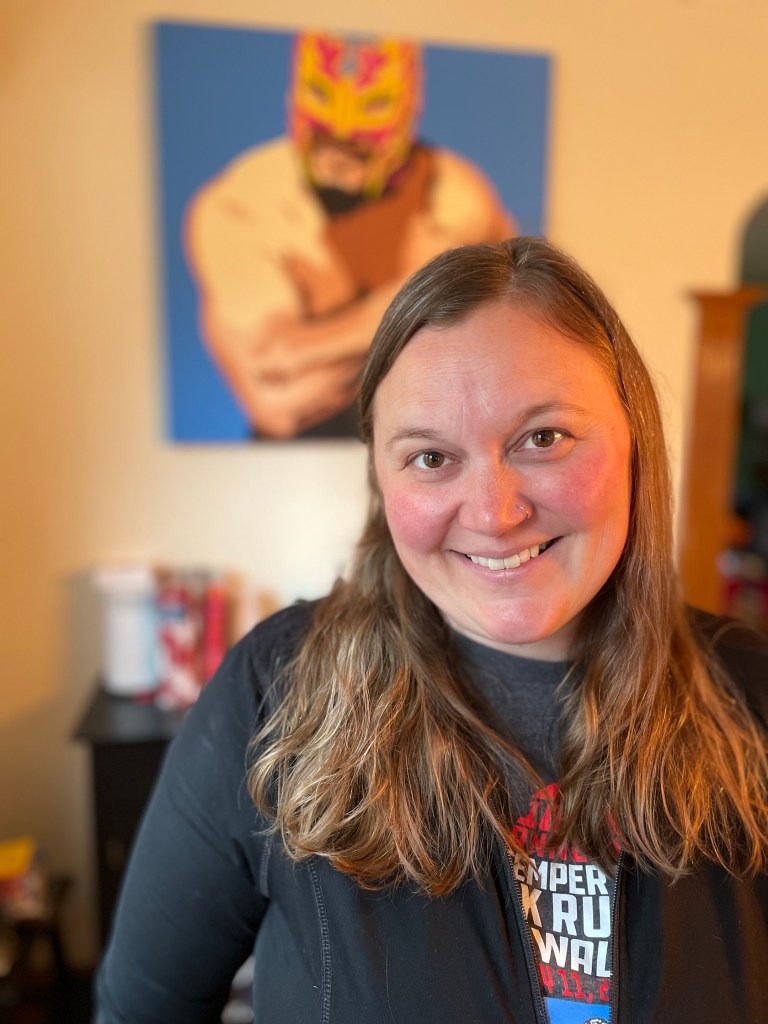
Dr. Emily Vogtmann is an Earl Stadtman Investigator in the Metabolic Epidemiology Branch of the Division of Cancer Epidemiology & Genetics in the National Cancer Institute. She received her B.S. in biochemistry and molecular biology and B.A. in Spanish from Michigan State University, M.P.H. in international health epidemiology from the University of Michigan, and Ph.D. in epidemiology in 2013 from the University of Alabama at Birmingham. Dr. Vogtmann’s research focuses on the association between the human microbiome and cancer risk and the evaluation of methods for collection, storage, and processing of samples and data for study of the human microbiome.
“Antimicrobial chemicals, antimicrobial resistance, and the indoor microbiome”
Dr. Erica Hartmann, PhD.
Jun 28, 2024 12:00 PM Eastern Daylight Time. This event has passes, watch the recording here.

Dr. Erica Hartmann, PhD., Associate Professor at Northwestern University. Dr. Erica Marie Hartmann is an environmental microbiologist interested in the interaction between anthropogenic chemicals and microorganisms, as well as bio-inspired mechanisms for controlling microbial communities.
Her career began at the Johns Hopkins Bloomberg School of Public Health, where she worked on mass spectrometry-based methods for detecting microbial enzymes necessary for bioremediation. She then moved to Arizona State University where she was the first graduate of the interdisciplinary Biological Design PhD program. She then moved to France on a Fulbright, studying microbes that degrade carcinogenic pollutants at the Commission for Atomic Energy. She began leading studies on antimicrobial chemicals and microbes found in indoor dust at the Biology and the Built Environment Center at the University of Oregon. She is currently continuing that work, as well as developing novel non-chemical antimicrobials, as an associate professor at Northwestern University. She was recently awarded an NSF CAREER to support her work on antimicrobial textiles.
Her lab website is here.
“What microbes can tell us about the built environment”
Dr. Davida Smyth, PhD
Jul 26, 2024 12:00 PM Eastern Daylight Time. This event has passed, watch the recording here.
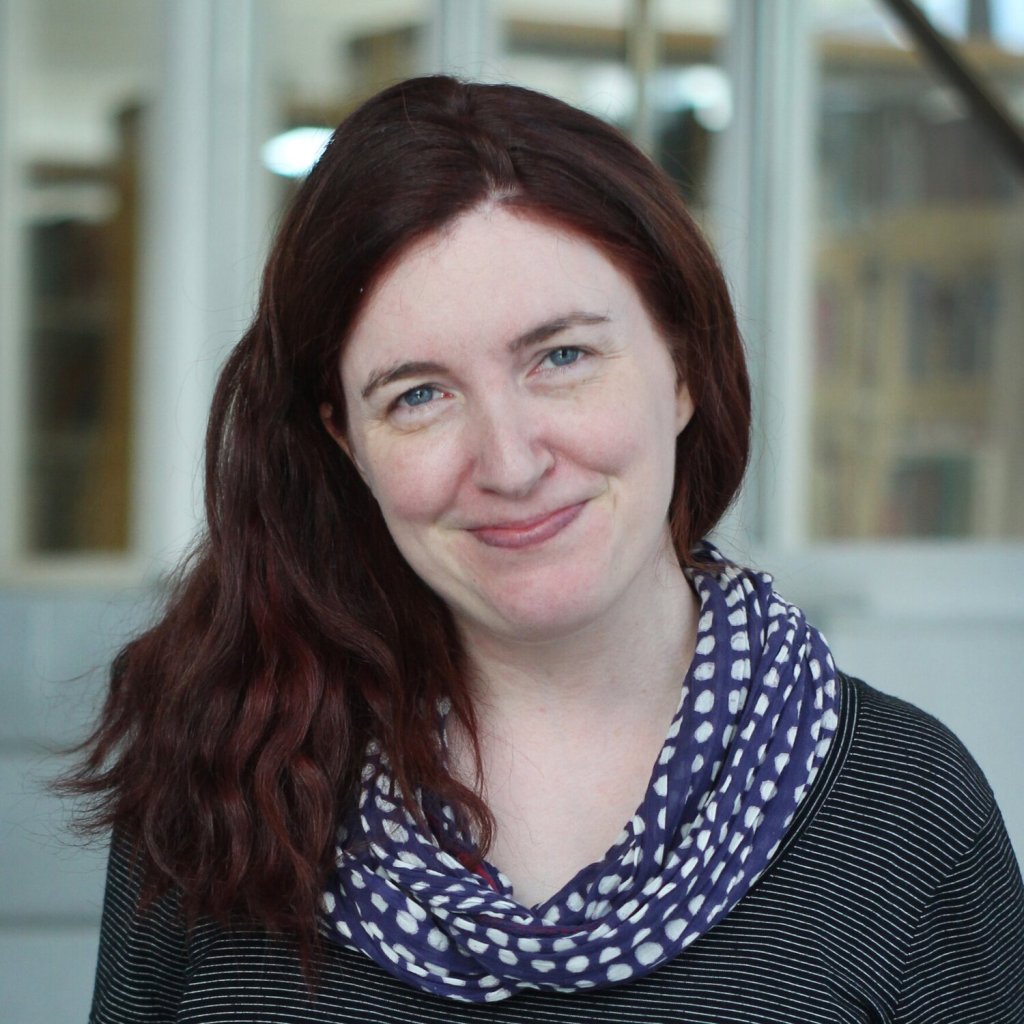
Dr. Davida Smyth, PhD., is a Full Professor at Texas A&M University – San Antonio. She received her Ph.D. in Microbiology from the University of Dublin, Trinity College, Ireland, and completed her postdoctoral training at New York Medical College, the University of Mississippi Medical Center, and New York University. She has served as an Associate Professor and Chairperson of the Department of Natural Sciences in Mercy College’s School of Health and Natural Sciences, an Assistant Research Scientist in Richard Novicks lab at NYU Langone Medical Center, an Adjunct Lecturer for the online Masters in Bioinformatics program at NYU Tandon School of Engineering, and an Assistant Professor of Biology at New York City College of Technology (NYCCT). She is an external committee member for Mercy Colleges Adjunct Academy component of their Inclusive Excellence Project and Peer-Led Team Learning Program for Biology, Chemistry, and Psychology students. In 2019, she was invited to the steering committee of the Research Experiences in Microbiomes Network (REMNet) of CUNY and became a Co-PI in 2020. Her research focuses on epidemiology of microbes in wastewater, and she is deeply committed to improving STEM education with integrated social impacts, such as her course on “How the Toilet Changed the World” about the role and impact of sanitation on our society and about the ongoing and future challenges associated with both access to toilets and sustainable toilet design.
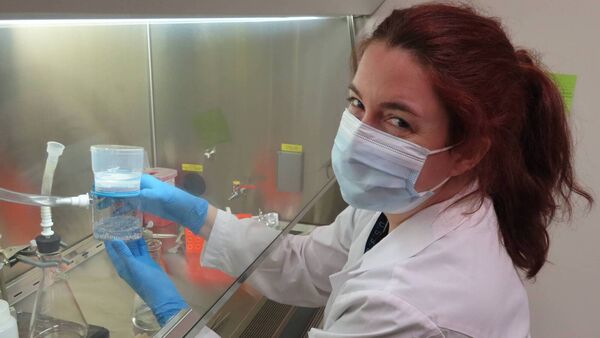
This talk will focus on how microbes in our built environment can tell us much about the biological and chemical processes occurring. From their transmission through the air and their accumulation in our wastewater, we can learn much about the health of our communities, at different levels of scale and over time. Using novel sampling techniques and next generation sequencing we’re studying the microbes in our classroom air, those present in the soils around our campus, and in our city’s wastewater to determine the prevalence of pathogens as well as antibiotic resistance.
Her lab website is here; they research microbiology, sustainability, pedagogy, and inclusion.
“The PATHOME Study: Leveraging contrasts in urban socio-economic living conditions and pathogen diversity in humans, animals, and the environment to prioritize intervention policy in Kenya”
Dr. Kelly Baker, PhD.
Aug 30, 2024 12:00 PM Eastern Daylight Time. This event has passed, watch the recording here.
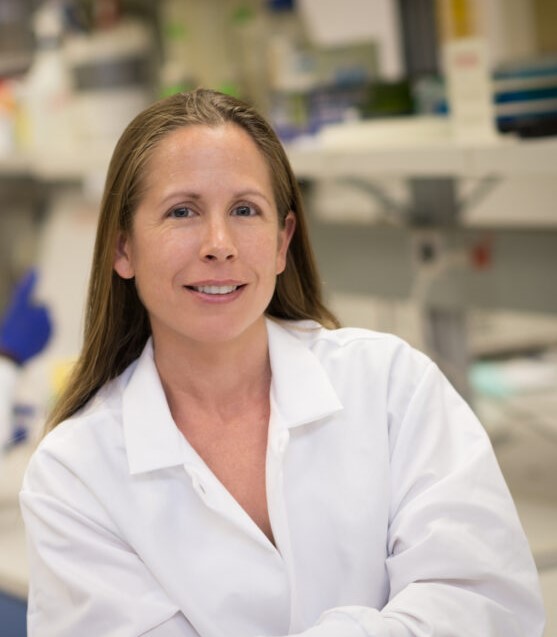
Dr. Kelly K. Baker, PhD., is an Associate Professor of Epidemiology and Environmental Health at the State University of New York Buffalo School of Public Health, and Director of the Center for Climate Change and Health Equity research. She conducts One Health focused eco-epidemiology studies in the US and globally that identify practical intervention strategies that can prevent transmission of enteric viruses, bacteria, and parasites between humans, animals, and the environment. Her funded research includes the development and testing of rapid diagnostics as well as projects like PATHOME, which develop virtual laboratories that can model the impact of different global development strategies on enteric disease burden. These transdisciplinary studies use pathogen diversity in children, animals, and the environment as means for identifying which living conditions, alone or in combination, best contribute to a decline in disease burden in high transmission settings. This evidence can then be used by policy makers and practitioners to select high impact investments.
Her Faculty page is here.
“Examining antibiotic resistance in biofilm and planktonic bacterial communities along an urban river”
Mary Coughter, M.S.
Sep 27 2024 12:00 PM Eastern Daylight Time. This event has passed, watch the recording here.
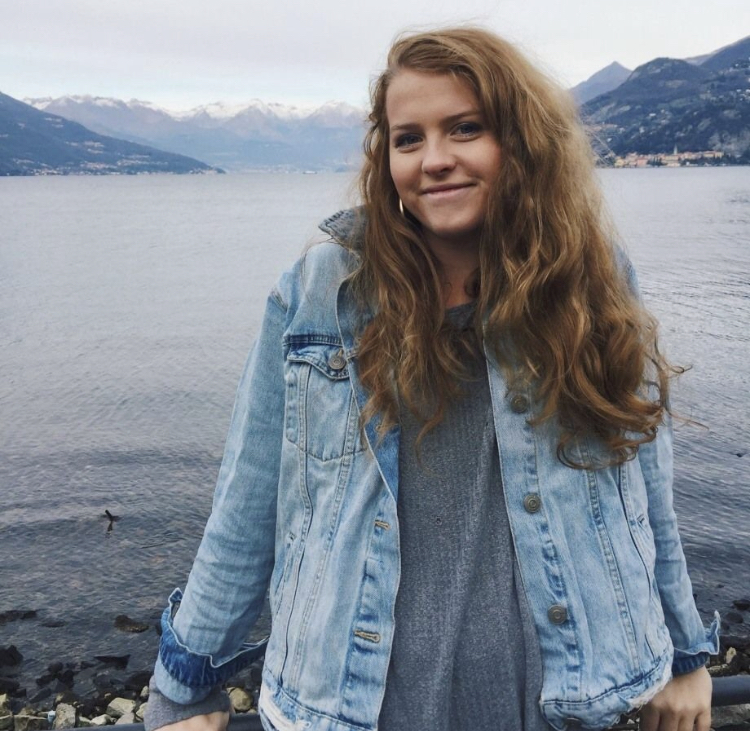
Mary Coughter is a PhD Candidate in Integrative Life Sciences at Virginia Commonwealth University under the advisory of Dr. Rima Franklin. She also holds her master’s degree in Biology at VCU, and her bachelor’s at Virginia Tech in Environmental Science. Located in Richmond, Virginia, her current research takes place in the James River, a huge resource of food, water, and recreation in the area as well as a tributary to the Chesapeake bay. Here she examines the spread of antibiotic resistance in bacteria and their genes in these public waterways, looking at different communities of bacteria as resistance reservoirs – both the water column and riverine biofilms. Based in a city historically known for redlining communities and where environmental stressors and adverse health impacts have been observed along those lines, she’s very interested in exploring if antibiotic prescription rates along communities in the watershed follow similar patterns.
Her student page is here.
POSTPONED TILL 2025, this event will be social hour only!
“Fungal responses to global climate change and potential impacts to our ecosystems and public health”
Dr. Adriana Romero-Olivares, PhD.
Oct 25, 2024 12:00 PM Eastern Daylight Time
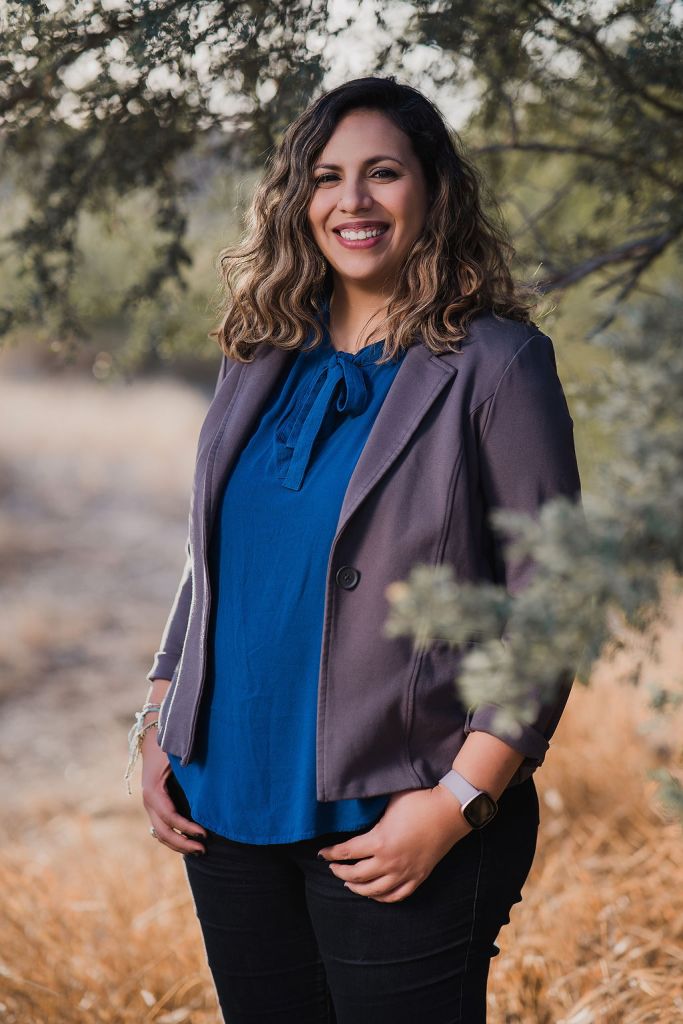
Dr. Adriana Romero-Olivares, PhD., Assistant Professor at New Mexico State University. She is a soil microbiologist who works at the intersection of ecosystem ecology and evolution with an emphasis on fungi. She did her bachelor’s degree in Biology and master’s degree in Molecular Ecology at the Autonomous University of Baja California. Dr. Romero-Olivares completed her PhD in the University of California Irvine, where she investigated the effects of global warming on the soil fungal communities of boreal forests in Alaska and consequences for decomposition and the carbon cycle. As a postdoctoral scholar in the University of New Hampshire, she studied fungal communities in temperate forests in New England experiencing long-term simulated warming and nitrogen pollution and impacts to the cycling of carbon.
Dr. Romero-Olivares is now an Assistant Professor in New Mexico State University. In her lab, they are interested in understanding how fungi respond and adapt to environmental stress. Their overall research goal is to better understand and plan for ecosystem-scale effects of global climate change.
Her lab website is here.
“Building multifunctional agricultural landscapes – from microbes to people”
Dr. Aidee Guzman, PhD.
Dec 6, 2024 12:00 PM Eastern Standard Time. This event has passed, watching the recording here.

Dr. Aidee Guzman is an assistant professor at Stanford University in the Department of Biology in the Ecology and Environmental Science group. Her research group examines agroecological approaches that could harness biodiversity and ecosystem functioning for improved agricultural resilience. Specifically, they investigate how agricultural management impacts biotic interactions (e.g. between plants, insects, and soil microbes) across scales (e.g. shifts in community structure, cascading changes in ecosystem functioning). The overarching goal of her research program is to support farmers, especially those who are historically underserved, through research, education, and outreach that builds on their innovations and demonstrates ecological pathways to agricultural resilience.
“Advancing Queer and Transgender Equity in Science (AQTES)“
Presented by Dr. JL Weissman and other members of the Advancing Queer and Transgender Equity in Science (AQTES) working group
Dec 20, 2024 12:00 PM Eastern Standard Time
Jackie Lee “JL” Weissman (they/she) is an Assistant Professor at Stony Brook University starting Fall 2024. Her research examines how microbes survive and thrive across diverse environments. She develops new tools to infer what microbes are doing and can do from DNA sequences captured directly from the environment (“metagenomes”), aiming to improve the representation of microbially-mediated biogeochemical cycles in global climate models. She also has a special interest in using a combination of comparative genomics, population genetics, and mathematical models to understand the ancient and ongoing battle between microbes and their viruses. She believes all students, with supportive training and mentorship, can become highly-capable computational biologists, and loves to show students how a little coding can go a long way.

The newly-formed group, Advancing Queer and Trans Equity in Science (AQTES), wants to improve the field of research by making the hiring process fair and welcoming for everyone. No matter what your personal identity is, we can all agree that fair and unbiased job searches are critical to hiring the best talent. But, sometimes a poorly-organized job search prevents the people with the best talent from applying at all.
In our white paper, we give suggestions on how to host a job search that is better for everyone. We provide examples and advice on how to write job adverts, create the agenda and atmosphere for the job search, how to make the interview process more accessible for everyone by remembering that we are humans and not robots, and how to support your new faculty.
Citation for the paper: Weissman, JL, Chappell, C.R., Rodrigues de Oliveira, B.F., Evans, N., Fagre, A.C., Forsythe, D., Frese, S.A., Gregor, R., Ishaq, S.L., Johnston, J., Bittu, K.R., Matsuda, S.B., McCarren, S., Ortiz Alvarez de la Campa, M., Roepkw, T.A., Sinnott-Armstrong, N., Stobie, C.S., Talluto, L., Vargas-Muñiz, J., Advancing Queer and Trans Equity in Science (AQTES). 2024. Running a queer- and trans-inclusive faculty hiring process. EcoEvoRvix repository 6791.
Perspective piece introducing the paper: Weissman JL, Chappell CR, Francesco Rodrigues de Oliveira B, Evans N, Fagre AC, Forsythe D, et al. (2024) Queer- and trans-inclusive faculty hiring—A call for change. PLoS Biol 22(11): e3002919.
Logo designed by Alex Guillen
 The Ishaq Lab