
2025 MSE Summit: Pathways to Microbiome Stewardship
Summary of the event: Microbiome stewardship is the broad idea that we need to consider ecosystem-level factors when we think about public health, as our environment, behaviors, and public policy affects interactions between microbes and human health. Our ability to develop practices and advocate for policy reform that address societal inequities is limited without a strong microbiome stewardship framework. Led by MSE and the Microbiome Stewardship working group, attendees of the webinars will learn how other researchers engage with microbiome or health stewardship. Participants of the workshops will plan a pathway to bring their own work in line with principles of conservation and stewardship, or design future research to provide tangible and meaningful stewardship endpoints relevant to their area of focus.
MSE recently hosted its 5th annual summit, this year dedicated to exploring the concept of Microbiome Stewardship. Microbiome Stewardship is a concept that is intended to provide guiding insights, articulate responsibilities, and suggest practices aimed at maintaining microbial biodiversity and microbiome functioning across microbial habitats, which, in turn, supports the health and well-being of humans, animals, plants, and ecosystems. The summit consisted of two days of presentations (webinars) and two days of virtual workshop discussions.
We opened with two days of webinars featuring 12 speakers from wide-ranging fields of expertise, all focused on how social or environmental conditions impact health and microbiomes. This included an introduction to the concept of microbiome stewardship and guiding principles for its implementation, the need for diversification of fecal microbiome donors for health interventions, degradation of waterways and microbial transfer, the industrialization of food systems and the rise of antimicrobial resistance, the use of too-vague population descriptors in microbiome science, integrating systems-level thinking in microbiology curricula, and working with Indigenous communities on microbiome research. The webinars sparked imaginative and thoughtful questions from the 200 attendees (nearly 300 registrants), and set the stage for the subsequent two days of workshops. We also shared a working draft of the Microbiome Stewardship Guiding Principles document with attendees, and welcomed feedback. We hope to submit that manuscript for peer review and publication soon.
Workshop attendance was by application, and restricted to 50 attendees across the two days, which focused on host and environmental microbiomes, respectively. For each workshop day, attendees self-organized into breakout rooms focusing on different disciplines or themes. Speakers, MSE and Microbiome Stewardship researchers, and attendees discussed the challenges and opportunities for their respective fields, what was needed to achieve more integration between research and education or policy, and how to incorporate the principles of stewardship into their respective research. These conversations helped realize existing areas of overlap between our work, and identify compatible expertise that was needed to explore these interdisciplinary research questions. Similar themes and challenges emerged across workshop days and discussion groups, highlighting opportunities to strengthen the microbiome stewardship and paths to implementation.
The live sessions were recorded to accommodate our global audience who were unable to make the session, and can be viewed here. While the workshops were not recorded, the thoughtful discourse from throughout the seminar and workshops will be used to inform that guiding principles publication-in-development, as well as future publications and output over the next 2-3 years from the collaborations which germinated during the breakout room sessions.

Webinar Session 1: Focus on Host Microbiomes
Webinars and Case Studies (Monday and Tuesday): Open to everyone, these sessions will feature insightful presentations from leading researchers, policymakers, and community leaders. Join us to hear the latest in microbiome science, social equity, and public health, and leave with new perspectives and ideas to help shape future efforts.
Cost: Free
Date: Monday July 7, 2025; 12:00 ~ 5:00 PM Eastern Daylight Time
| Time | Agenda |
| 12:00 ~ 12:15 PM | Welcome and Intro to the Summit Sue Ishaq, PhD, Associate Professor, University of Maine; Founder and Lead, MSE |
| 12:15 ~ 1:00 PM | The Concept of Microbiome Stewardship Kieran O’Doherty, PhD, Professor, University of Guelph; MSE Dr. Kieran C. O’Doherty, PhD., is professor in the department of psychology at the University of Guelph, where he directs the Discourse, Science, Publics research Group. His research focuses on the social and ethical implications of science and technology and public engagement on science and technology. He has published on such topics as data governance, vaccines, human tissue biobanks, the human microbiome, salmon genomics, and genetic testing. A particular emphasis of his research is on theory and methods of public deliberation, in which members of the public are involved in collectively developing recommendations for the governance of science & technology. Recent edited volumes include Psychological Studies of Science and Technology (2019) and The Sage Handbook of Applied Social Psychology (2019). He is editor of Theory & Psychology. |
| 1:00 ~ 1:45 PM | Indigenous perspectives on microbiome stewardship and public health. Nicole Redvers, DPhil, ND, MPH, Associate Professor, Western Research Chair & Director, Indigenous Planetary Health; Schulich School of Medicine & Dentistry, Schulich Interfaculty Program in Public Health, University of Western Ontario Dr. Nicole Redvers, DPhil, ND, MPH, is a member of the Deninu K’ue First Nation (Canada) and has worked with Indigenous patients, scholars, and communities around the globe her entire career. She is an Associate Professor, Western Research Chair, and Director of Indigenous Planetary Health at the Schulich School of Medicine & Dentistry at Western University. Dr. Redvers also currently serves as the Vice President Research at the Association of Faculties of Medicine of Canada (AFMC). She has been actively involved at regional, national, and international levels promoting the inclusion of Indigenous perspectives in both human and planetary health research and practice. Dr. Redvers is the author of the trade paperback book titled, ‘The Science of the Sacred: Bridging Global Indigenous Medicine Systems and Modern Scientific Principles’. |
| 1:45 ~ 2:30 PM | Interpreting the Flora, Interrupting the Frame: Race and Responsibility in Vaginal Microbiome Research Ari Kozik, PhD, Assistant Professor of Molecular, Cellular, and Developmental Biology, University of Michigan |
| 2:30 – 2:45 PM | break |
| 2:45 – 3:30 PM | “Microbiome-based therapeutics in clinical practice: how can we be better stewards?” Susy Hota, MD, MSc, FRCPC. Division Head, Infectious Diseases, University Health Network and Sinai Health Medical Director, Infection Prevention and Control, University Health Network Co-Lead of the Microbiota Therapeutics Outcomes Program Associate Professor, Division of Infectious Diseases, University of Toronto Dr. Hota is an Associate Professor of Medicine in the Division of Infectious Diseases at the University of Toronto, Division Head for Infectious Diseases at University Health Network and Sinai Health and Medical Director of Infection Prevention and Control at University Health Network in Toronto, Canada. Her academic interests include management of Clostridioides difficile infection, fecal microbiota transplantation (FMT), and emergency preparedness for infectious diseases. She co-leads the Microbiota Therapeutics Outcomes Program, which supports the use of microbiome-based therapeutics for clinical care and research applications in Toronto, Ontario, Canada. |
| 3:30 – 4:15 PM | The political economy of emerging digital data collection platforms and applications with microbial stewardship. Victor Secco, PhD, Postdoctoral Researcher, Department of Philosophy and Cultural Heritage, Ca Foscari University of Venice Dr, Secco is a Research Fellow at Ca’ Foscari University of Venice and holds a PhD in Social Anthropology at the University of Manchester. His doctoral research has focused on the interface of microbiological research on bacteriophage viruses and the uses of water for ritual purposes in the context of the Ganges River in North India. Working ethnographically in between laboratories and landscapes, he is interested in the coming together of health and environment across contexts and scales through debates on materiality, themes that he continues to explore in his current research. |
| 4:15 – 5:00 PM | Communities and Contexts in Childhood Microbiome Research. Justine Debelius, Assistant Scientist, Department of Epidemiology, Johns Hopkins Bloomberg School of Public Health |
Webinar Session 2: Focus on Environmental Microbiomes
Webinars and Case Studies (Monday and Tuesday): Open to everyone, these sessions will feature insightful presentations from leading researchers, policymakers, and community leaders. Join us to hear the latest in microbiome science, social equity, and public health, and leave with new perspectives and ideas to help shape future efforts.
Cost: Free
Date: Tuesday July 8, 2025; 12:00 ~ 5:00 PM Eastern Daylight Time
| Time | Agenda |
| 12:00 ~ 12:15 PM | Welcome and Intro to the Summit. Sue Ishaq, PhD, Associate Professor, University of Maine; Founder and Lead, MSE |
| 12:15 ~ 1:00 PM | “Microbiome stewardship curricular design using MSE themes“ Carla Bonilla, PhD, Associate Professor of Biology, University of San Diego; MSE Dr. Bonilla uses critical pedagogy in STEM curriculum to promote student success. In Microbiology and Genetics, she uses an interdisciplinary approach to help students see the connections between science and society, and the role of scientiests as social agents of change. |
| 1:00 ~ 1:45 PM | The Concept of Microbiome Stewardship Mallory Choudoir, PhD, Assistant Professor and Soil Microbiome Extension Specialist, North Carolina State University; MSE Dr. Choudoir is an Assistant Professor & Soil Microbiome Extension Specialist in the Department of Plant & Microbial Biology at North Carolina State University and a member of the Microbiomes and Complex Communities Cluster. The goal of her applied research program is to translate and extend microbiome science and molecular ecology to sustainable agricultural practices. Her work aims to develop microbial-centered solutions for optimizing crop productivity, reducing agronomic inputs, supporting local food systems, and enhancing agroecosystem resilience to climate change. |
| 1:45 ~ 2:30 PM | “Nature and the stewardship of microbiomes“ Kent Redford, PhD, Principal, Archipelago Consulting The stewardship of microbiomes is an emerging topic situated within in three larger active debates: first, the meaning of “nature” and “natural”; second, the role of human management in preserving nature; and third, the role synthetic biology can and should play in conserving nature. In this presentation I will discuss who these three debates can contribute to developing a robust practice of microbiome stewardship. |
| 2:30 – 2:45 PM | Break |
| 2:45 – 3:30 PM | Built environment and microbiome engineering: Responsible Development and Engagement. Jennifer Kuzma, PhD, Professor, School of Public and International Affairs; Co-Director, Genetic Engineering & Society Center; Associate Director, Precision Microbiome Engineering Center (PreMiEr, NSF-ERC); North Carolina State University Kristen Landreville, PhD, Senior Research Scholar, Societal and Ethical Implications (SEI) Core in the PreMiEr Engineering Research Center, North Carolina State University Jennifer Kuzma, PhD, is the Goodnight-NCGSK Foundation Distinguished Professor in the Social Sciences at NC State University. She co-founded and co-directs the Genetic Engineering and Society (GES) Center. Dr. Kuzma leads NC State’s efforts in the NSF-funded Engineering Research Center on Precision Microbiome Engineering, focusing on the social and ethical implications (SEI). With over 30 years of experience, she has authored nearly 150 scholarly publications on emerging technologies and governance. Her pioneering work in agrifood nanotechnology, gene-editing, and synthetic biology led to her election as a AAAS Fellow. Kuzma has received numerous awards, including the Fulbright Canada Research Chair in Science Policy and the SRA Sigma Xi Distinguished Lecturer Award. She holds leadership positions in various organizations, including the World Economic Forum Council on Technology, Values and Policy. Kuzma’s expertise is widely recognized and sought after, as she frequently contributes to media outlets such as the New York Times, NPR, and Scientific American. Kristen D. Landreville, PhD, is a Senior Research Scholar at the Genetic Engineering and Society Center at North Carolina State University, where she leads social science research as part of the Societal and Ethical Implications (SEI) Core in the PreMiEr Engineering Research Center. Prior to joining the Genetic Engineering and Society Center in 2023, Kristen worked as an Associate Professor of Communication and Journalism at the University of Wyoming for 13 years, where she led social science projects for NSF grants on microbial ecology and climate change in Wyoming. |
| 3:30 – 4:15 PM | From farm to flora: How the way we produce food shapes our microbiomes & pathogen risks Maya Nadipalli, PhD, Assistant Professor, Emory University Dr. Nadimpalli is an assistant professor in the Gangarosa Department of Environmental Health at Emory University. She earned her PhD in environmental sciences and engineering at University of North Carolina, Chapel Hill, and completed postdoctoral training at the Institut Pasteur in Paris and the Pickering Lab at Tufts University. |
| 4:15 – 5:00 PM | Engaging with Indigenous perspectives related to subsurface microbiome research. Josh Neufeld, PhD, Professor, Department of Biology, University of Waterloo Professor Josh Neufeld is a Professor in the Department of Biology at the University of Waterloo. He is an internationally recognized expert in microbial ecology, with over 20 years of experience characterizing microbial communities in engineered aquatic environments. An important focus of his lab since 2015 involves characterizing the microbiology of natural and engineered barrier components intended for a deep geological repository of used nuclear fuel. This surveillance research combines cultivation- and molecular-based approaches, complemented by analysis and interpretation with computational approaches. |
Workshop Sessions 1 and 2: Stewardship Planning Activities
Interactive Workshops (Wednesday and Thursday): Selected participants will come together in these collaborative sessions to co-develop case studies that integrate research, practice, and policy. With a focus on actionable outcomes, these workshops provide an opportunity to work closely with experts and contribute directly to the development of a global microbiome stewardship framework. Participation is by application, ensuring a diverse group of voices and expertise.
Format: Zoom, Breakout rooms for Discussions and Collaborative Activities
Cost: Apply to attend, and if your application is accepted, the cost is $15 USD for students/postdocs, $50 USD for professionals, and there is a no-cost option for anyone who needs it.
Session 1: Focus on Host Microbiomes, Wednesday July 9, 2025, 1:00 ~ 4:00 PM Eastern Daylight Time
Session 2: Focus on Environmental Microbiomes, Thursday July 10; 1:00 ~ 4:00 PM Eastern Daylight Time
| Time | Activity |
| 1:00 ~ 1:45 PM (~ 15 min to get started and ~30 min activity) | Group activity 1: Create your discussion group We will use Zoom Breakout Rooms to form groups of 5 -10 people based on several topic themes. Each group will be led by an invited speaker and an MSE group member, and group notetaking will be facilitated using shared online documents. Discussion 1 (Foundations) What is your name and what kind of research do you do? How does the connection between microbiomes and health (human and non-human) relate with your work? What needs to be stewarded/protected in your area of expertise?To achieve goals of microbiome stewardship in your area, what interdisciplinary partnerships, or research or education programs need to be developed? What problems exist in your field that prevent implementing research or policy solutions? |
| 1:45 ~ 2:00 PM (15 min) | Break |
| 2:00 – 3:00 PM (1 hour) | Group activity: Create your path to microbiome stewardship In Zoom Breakout Rooms organized by broad topics, we will generate case studies related to our own work which would include microbiome stewardship.First, use the template provided to draw your pathway. Then, design a project or research that would advance you along that path. Finally, identify a task list, time table, list of needs, and list of goals/outputs for the project. During your activity, consider the two discussion prompts: Discussion 2 (Policy Connections) What are the policy domains we need to target for protection of microbial ecosystems to ensure positive health outcomes? What kind of policies could be effective in helping to maintain microbiome health? What agencies or organizations might oversee regulations for the protection of microbial ecosystems? How could one begin to advocate for microbiome health in various policy domains? Discussion 3 (Getting Microbiome Stewardship onto the Agenda) How can we raise awareness about the importance of microbial ecologies in human and planetary health? How can we get the protection of microbial ecosystems onto policy maker agendas? What initiatives currently exist with whom we can seek partnerships? |
| 3:30 -3:30 PM (~30 min) | Share with the full group Each group will share a summary of their discussions to the full group in the main Zoom room. |
What is “microbiome stewardship”?
Microbiomes are essential to human and environmental health; all organisms on our planet rely on the microbial ecologies that inhabit and surround us. There is increasing evidence that modern societal practices are harming essential microbiomes, and thereby threatening the health of the larger organisms and ecosystems that exist in symbiotic relationship with them. In spite of scientific recognition of the importance of microbiomes and of the threats they face, there is very little collective societal action to protect and conserve essential microbiomes. Pesticide use, pollution, industrialized food production, and many other societal practices that are damaging our collective microbiomes can only be addressed at the level of policy. Microbiome stewardship is the broad idea that we need to consider ecosystem-level factors when we think about public health, as our environment, behaviors, and public policy affects interactions between microbes and human health. Microbiomes are highly dynamic systems, featuring bacteria, archaea, protozoa, fungi, and viruses; and our personal microbiomes are derived from a larger shared, collective microbial resource.
The Microbiome Stewardship research group is currently working on creating a definition, framework, and guidelines.

Figure 1. Microbiome stewardship as a concept and framework for ensuring human and planetary health supported by microbial functions. Human microbiomes are constituted from our environment, which has determinants based largely on societal systems (e.g., agriculture and food systems, built environment, health care accessibility) that operate beyond individual choice and behavioral interventions. Figure created with BioRender.com.
Meet the Summit-Organizing Team

Dr. Sue Ishaq, PhD., is an Associate Professor of Microbiomes, University of Maine; and founded MSE in 2020. Over the years, her research has gone from wild animal gut microbiomes, to soils, to buildings, and back to the gut. Since 2019, her lab in Maine focuses on host-associated microbial communities in animals and humans, and in particular, how host and microbes interact in the gut and can be harnessed to reduce inflammation. She is also the early-career At Large member of the Board of Directors for the American Society for Microbiology, 2024- 2027.

Dr. Kieran C. O’Doherty, PhD., is professor in the department of psychology at the University of Guelph, where he directs the Discourse, Science, Publics research Group. His research focuses on the social and ethical implications of science and technology and public engagement on science and technology. He has published on such topics as data governance, vaccines, human tissue biobanks, the human microbiome, salmon genomics, and genetic testing. A particular emphasis of his research is on theory and methods of public deliberation, in which members of the public are involved in collectively developing recommendations for the governance of science & technology. Recent edited volumes include Psychological Studies of Science and Technology (2019) and The Sage Handbook of Applied Social Psychology (2019). He is editor of Theory & Psychology.

Dr. Rob Beiko, PhD., is a Professor and Head of the Algorithms and Bioinformatics research cluster in the Faculty of Computer Science at Dalhousie University. His research aims to understand microbial diversity and evolution using machine learning, phylogenetics, time-series algorithms, and visualization techniques. His group is developing software tools and pipelines to comprehensively survey genes and mobile genetic elements in bacterial genomes, and understand how these genomes have been shaped by vertical inheritance, recombination, and lateral gene transfer. He is also a co-founder of Dartmouth Ocean Technologies, Inc., a developer of environmental DNA sampling devices.
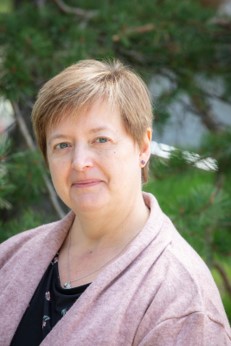
Dr. Emma AllenVercoe, PhD, is a Professor of Microbiology at the University of Guelph, and a Tier 1 Canada Research Chair in Human Gut Microbiome Function and Host Interactions. Her research portfolio is broad, encompassing host-pathogen interplay, live microbial products as therapeutic agents, gut microbiome and anaerobic culture (humans and animals), and the study of ‘missing gut microbes’ i.e. those that are present in hunter-gatherer societies but missing in the industrialized world. She has developed the Robogut – a culture system that allows for the growth of gut microbial communities in vitro, and is currently busy a centre for microbiome culture and preservation at the University of Guelph.

Dr. Mallory Choudoir, PhD, is an Assistant Professor & Soil Microbiome Extension Specialist in the Department of Plant & Microbial Biology at North Carolina State University. The goal of her applied research and extension program is to translate microbiome science to sustainable agriculture. She aims to develop microbial-centered solutions for optimizing crop productivity, reducing agronomic inputs, and enhancing agroecosystem resilience to climate change.

Diego Silva, PhD, is a Senior Lecturer in Bioethics at Sydney Health Ethics and the University of Sydney School of Public Health. His research centers on public health ethics, particularly the application of political theory in the context of infectious diseases and health security, e.g., tuberculosis, COVID-19, antimicrobial resistance, etc. He is currently the outgoing Chair and a member of the Public Health Ethics Consultative Group at the Public Health Agency of Canada and works with the World Health Organization on various public health ethics topics on an ad hoc basis.
 The Ishaq Lab